

The lymphatic system is vital in helping our bodies function optimally and supports our immune system. When neglected, it can lead to swelling, fatigue, and even a weakened immune response. Lymphatic fluid flows from the body to the lymph nodes to be filtered out for harmful substances before moving back to the heart.
Your abdomen and trunk contain the highest number of lymph nodes in your body and the largest lymphatic vessels through which lymph fluid from your arms and legs must flow. If the lymphatic system in your core or abdomen isn’t working how it should, or is congested, it has the potential to cause swelling in the abdomen as well as in the legs or arms.
👋 Hello, I’m Kelly Sturm, a Doctor of Physical Therapy (PT, DPT) and a Certified Lymphedema Therapist. I share helpful resources for those living with lymphedema and lymphatic health concerns. Subscribe to my YouTube Channel, get my free guides, or join my Lower Body Lymphedema Program.
I designed this sequence with a focus on core movements that help stimulate lymphatic flow and reduce swelling in the abdomen. Whether you’re at home or on the go, this core workout can be done without any equipment, and it’s suitable for all fitness levels.
This is Day 4 of LYMPH RESET 21: your free 3-Week Lymphatic Drainage and Exercise Plan. It combines gentle core movement that encourages lymph flow and helps move lymphatic fluid.
12-Minute Core Lymphatic Workout
This is a 12-minute gentle, core lymphatic drainage exercise routine to help reduce swelling in the abdomen and legs. It’s primarily done lying down on the ground or in a bed without equipment. This sequence helps to stimulate the lymphatics and move lymph fluid. There are no high-impact movements involved.
If you are someone who struggles with swelling or lymphedema, adding lymphatic drainage massage and exercise to your routine may help improve lymphatic drainage and overall lymphatic system health.
Exercise Considerations for Core Exercises
Before starting this gentle routine, make sure your doctor clears you. Always listen to your body and adjust to ensure comfort and safety.
If someone has lymphedema, starting slowly and gradually increasing intensity over 4-12 weeks is ideal to help avoid injury or worsening of lymphedema symptoms.
Workout Overview:
If you would like to follow along while I model this routine, you can watch this YouTube Video ↓

Workout Details:
- 12 minutes of slow, gentle lymphatic core exercises
- Timed, sequenced flow
Equipment Needed:
- A padded yoga mat or bed for added comfort (optional).
Exercise Routine
- Diaphragmatic Breathing
- Trunk Rotation
- Bridges
- Alternating Toe Taps
- Lying Leg Raises
- Straight Leg Circles
- Dead Bugs
- Oblique Twist
- Side Bend (Seated)
- Belly Breaths (Seated)
12-Minute Core Routine
All exercises are completed for 45 seconds, with 15 seconds of rest between each transition movement. Exercises should remain pain-free and gentle. Modification or scaling movements to remain comfortable may be needed.
1. Diaphragmatic Belly Breathing
- Lie on your back with knees bent and feet flat on the floor, hip-width apart.
- Place your hands on your abdomen and gently press inward.
- Inhale deeply through your nose, allowing your abdomen to expand into your hands.
- Exhale slowly through your mouth, releasing your breath.
2. Trunk Rotation

- Lie on your back with knees bent, feet close, and flat on the floor.
- Engage your core, then gently twist your torso to the right, allowing your knees to fall to the side while keeping your shoulder blades on the floor.
- Hold for a few seconds, then return to the center.
- Repeat the same movements on the opposite side, rotating to the left.
- Continue alternating sides
3. Bridges

- Lie on your back with knees bent and feet flat on the floor, hip-width apart.
- Engage your core, press through your heels, and lift your hips towards the ceiling, creating a straight line from your knees to shoulders. Avoid arching into your lower back.
- Squeeze your glutes at the top and hold for a few seconds before lowering your hips.
4. Alternating Toe Taps
- Lie on your back with knees bent and feet flat, shoulder-width apart.
- Engage your core and lift your legs so both knees and hips are bent at a 90-degree angle.
- Slowly lower one foot towards the ground, tapping it lightly while keeping the other leg in the 90-degree position. Don’t allow your lower back to rise off the floor.
- Bring the leg back up and repeat with the other foot.
- Continue alternating legs.
5. Lying Leg Raises
- Lie on your back with one leg straight out and the opposite knee bent, with your foot on the floor.
- Engage your core and lift your straight leg towards the ceiling, 1-2 feet.
- Slowly lower your legs back down without allowing your lower back to arch.
- Repeat on the opposite leg.
6. Straight Leg Circles

- Lie on your back with one leg extended straight and the other bent with the foot flat on the floor.
- Engage your core, lift the extended leg off the ground about 12-24 inches, and make small circular movements in one direction.
- After a few rotations, switch directions.
- Perform all on one side before switching to the other leg.
7. Dead Bugs

- Lie on your back with your arms extended straight above your shoulders, your legs lifted, and your knees bent at a 90-degree angle.
- Engage your core, then slowly lower your right arm and left leg towards the ground simultaneously, pressing your lower back into the mat.
- Pause for 1-2 seconds, then return them to the starting position.
- Repeat with your left arm and right leg.
- Continue alternating sides with control.
8. Oblique Twist

- Sit on the floor with your knees bent and feet flat, leaning back slightly to engage your core. Avoid rounding out your spine or moving your shoulders forward.
- Engage your core and clasp your hands together or hold a weight.
- Rotate your torso to the right, bringing your hands or weight toward the ground next to your hip. Tap the ground.
- Return to the center and twist to the left.
- Continue alternating sides while maintaining good core posture and engagement.
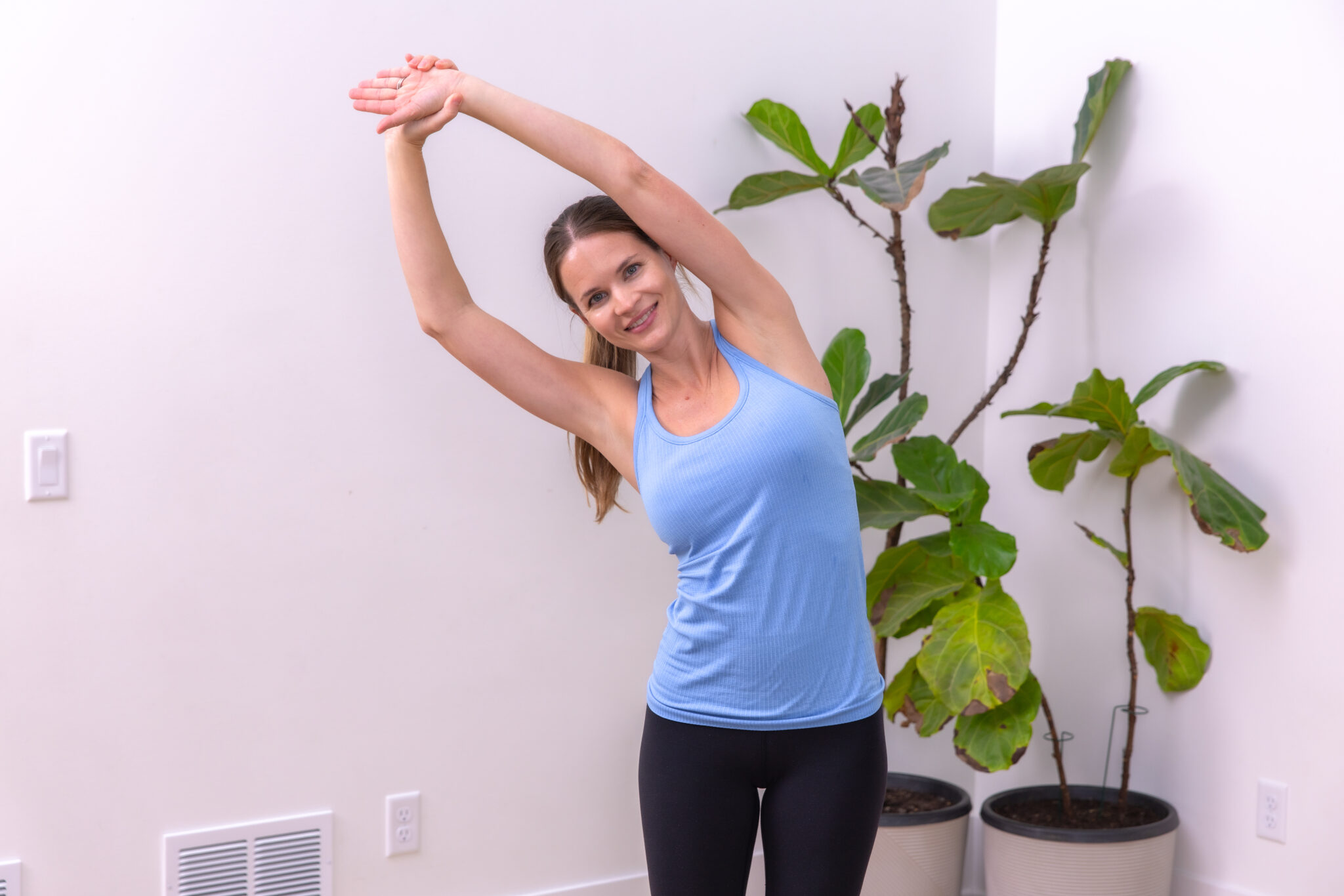
9. Side Bend (Seated)
- Sit on the floor in a comfortable position or stand tall.
- Sit up tall and engage your core, then slowly bend to one side at the waist, reaching your right hand towards the floor while keeping your opposite hip grounded.
- Return to the starting position and repeat on the left side.
- Continue alternating sides 3-5 times to stretch your obliques and side core muscles.
10. Repeat Belly Breaths
- Lie on your back with knees bent and feet flat on the floor.
- Place your hands on your abdomen, gently pressing inward.
- Inhale deeply through your nose, allowing your belly to expand into your hands
- Exhale slowly through your mouth, releasing your breath.
Precautions and Considerations
While lymphatic exercises are generally safe, there are some precautions to keep in mind:
- Consult a Healthcare Professional: If you have specific medical conditions such as severe lymphedema, cardiovascular issues, or chronic inflammation, consult your doctor before starting any new exercise routine.
- Avoid Strain: Stick to pain-free movements to avoid unnecessary strain on your muscles or joints.
Know Your Limits: If you experience pain or discomfort during exercise, stop immediately and consult a healthcare provider.
Final Thoughts: Lymphatic Exercises
Whether you’re new to lymphatic drainage exercises or looking for a quick addition to your wellness routine, lymphatic exercises should remain accessible and beneficial for all fitness levels. Consistency is key, so aim to incorporate these movements into your daily or weekly schedule to get the most benefits.
For additional guidance and resources, be sure to subscribe to my YouTube channel and explore my digital downloads designed to support lymphatic health. You can find simple lymphedema workout routines in this YouTube Playlist.
Frequently Asked Questions About Lymphatic Exercise
How often should lymphatic exercises be performed?
Like with most exercise routines, consistency is key. Aim to complete lymphatic exercises three to four times a week.
Can anyone do lymphatic exercises?
Most people can safely perform lymphatic exercises. However, those with specific medical conditions should consult a healthcare professional before starting any new exercise routine.
How long should each session last?
Each lymphatic exercise session can last 10 to 30 minutes, depending on your fitness level and comfort. The important thing is to focus on completing the movements with correct form.
Are there specific exercises for lymphedema?
Exercise and overall movement can help manage lymphedema. Exercise should focus on muscle activation to stimulate lymph flow. A variety of exercises, like cardio or strength training, can be beneficial for lymphedema and overall health. For personalized guidance, consult with a physical therapist specializing in lymphedema.