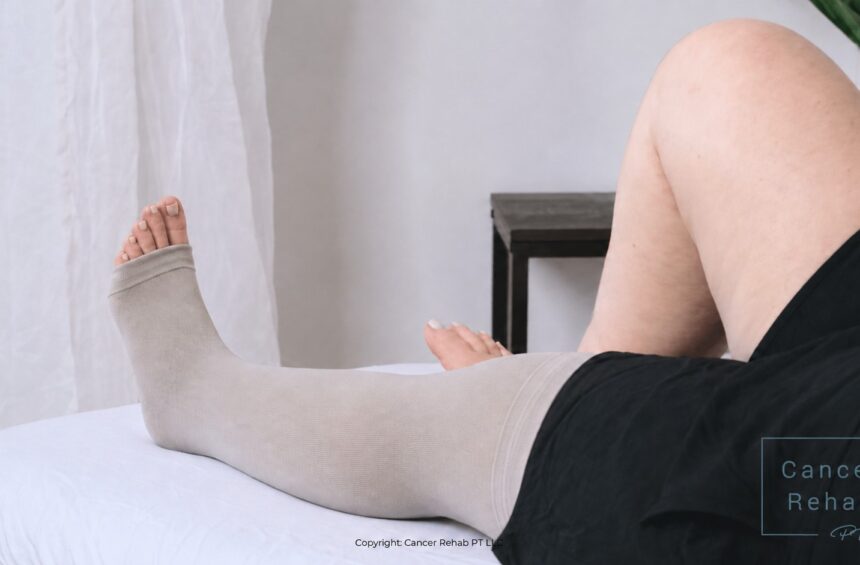


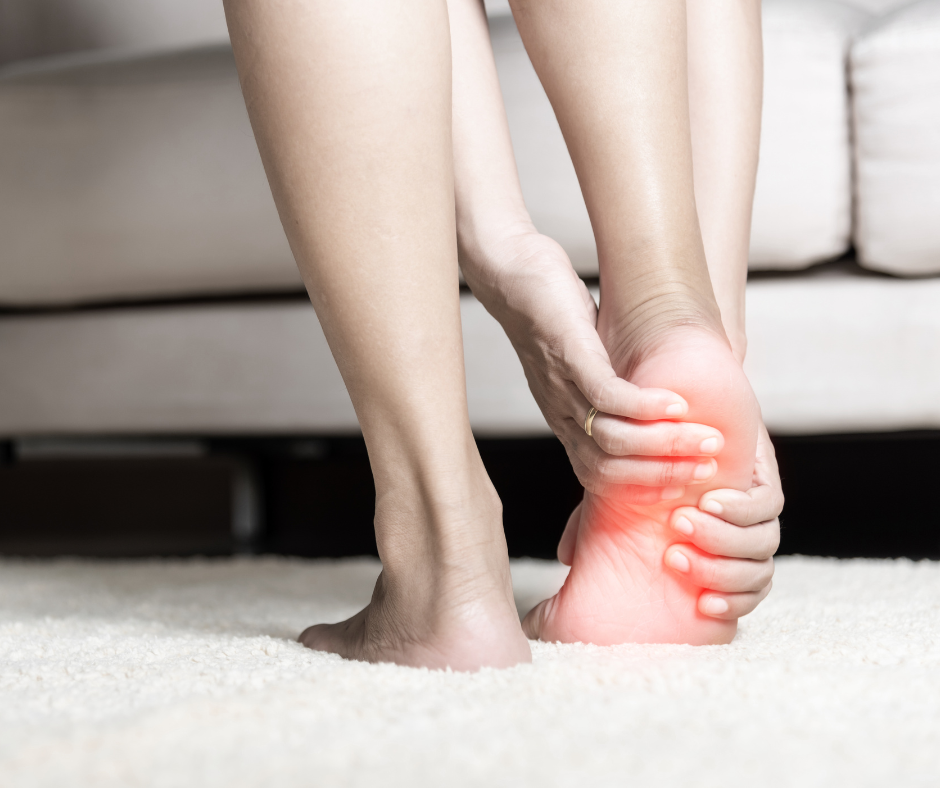
Living with neuropathy in your feet is tough. Simple activities like walking to the mailbox or standing in the kitchen can become uncomfortable or downright painful.
But physical activity and targeted exercises for neuropathy in feet can help you manage your symptoms and get back to doing the things you enjoy.
As a physical therapist, here’s an exercise regimen I recommend for managing neuropathy pain, tingling, and numbness in your feet and toes.
What Is Neuropathy in Feet?
Neuropathy happens when the nerves in your feet get damaged. These damaged nerves send mixed signals to your brain, which causes sensations like numbness, tingling, and pain.
When neuropathy develops in your feet, it can affect your daily life in big ways: walking often becomes difficult, wearing certain shoes might hurt, and even standing for a few minutes can feel uncomfortable.
But with the right approach, you can improve your symptoms and feel more comfortable.
Symptoms of Neuropathy in Feet
In my physical therapy practice, I see people experiencing all kinds of neuropathy symptoms. Everyone’s experience is a little different, but there are some common patterns.
You might notice:
- Numbness or reduced sensation
- Tingling or pins-and-needles sensations
- Burning or shooting pain
- Increased sensitivity to touch
- Weakness in the feet and ankles
- Changes in skin or nails
- Balance problems
- Difficulty feeling temperature changes
These symptoms can range from mild to severe, and some days might feel better than others. Left untreated, symptoms often get worse over time.
But with regular exercise and treatment, neuropathy symptoms can often get better.
What Causes Neuropathy in Feet?
A few different things can lead to neuropathy in your feet:
- Diabetes: High blood sugar levels damage nerves over time. This is the most common cause of foot neuropathy.
- Chemotherapy: Some cancer treatments cause nerve damage as a side effect.
- Vitamin deficiencies: Your nerves need B vitamins, especially B12, to stay healthy.
- Certain medications: Some antibiotics and blood pressure medications can affect your nerve health.
- Injuries: Trauma to your feet or legs can damage the nerves.
- Autoimmune diseases: Conditions like rheumatoid arthritis, lupus, or Guillain-Barré syndrome can trigger neuropathy.
- Infections: Lyme disease, shingles, and other infections sometimes damage nerves.
- Excessive alcohol consumption: Too much alcohol can lead to nutritional deficiencies and toxic effects on your nerves.
- Hereditary disorders: Some genetic conditions increase your risk of developing neuropathy.
Regardless of why you’ve developed neuropathy in your feet, you don’t have to live with chronic pain and discomfort for the rest of your life. Managing foot neuropathy, reducing pain, and supporting your nerve health is possible with the right tools, including exercise.
Sometimes, when caught early, it may even be possible to stop or reverse certain types of neuropathy and restore your nerve function.

Are There Exercises for Neuropathy in Feet?
Yes, exercise is an important part of treating and managing neuropathy.
When you exercise, you improve blood flow to your feet. Better circulation means more oxygen and nutrients reach your damaged nerves, which helps them function better.
Exercise also strengthens your muscles, improves your balance, and can reduce pain over time.
As a physical therapist, I recommend combining exercise with other treatments your doctor suggests. This might include medication, blood sugar management, or addressing vitamin deficiencies.
Exercise works best as part of an overall treatment plan to relieve pain and promote nerve health.
Looking for more tips? Subscribe to my newsletter!
The Benefits of Exercises for Neuropathy in Feet
Regular movement makes a big difference in managing neuropathy symptoms. It can slow down nerve damage progression and reduce pain and tingling.
Here’s what exercise does for your feet:
- Improved blood flow: Better circulation delivers oxygen and nutrients to your nerves and tissues.
- Strengthened muscles: Stronger feet and legs provide better support and stability when you walk or stand.
- Better balance and coordination: Balance exercises help prevent falls and injuries, which is especially important when you have reduced sensation in your feet.
- Pain relief: Movement helps ease the muscle pain and discomfort that comes with neuropathy.
- Better glucose control: If you have diabetes-related neuropathy, exercise helps manage your blood sugar levels and can slow down nerve damage.
- Improved flexibility: Stretching keeps your feet and ankles flexible and mobile.
Below, I’ll share some of my go-to exercises for managing foot neuropathy.
👉 You can also download my Exercises for Neuropathy in the Feet and Toes Digital Guide for step-by-step instructions you can print and follow at home:

11 Physical Therapy Exercises for Neuropathy in Feet
Try these foot exercises for neuropathy to improve muscle weakness and get rid of nerve pain. You can also watch this video to follow along with the full exercise program:
1. Ankle Rolls
- Sit comfortably and do ankle rolls in both directions.
- For variety, “write” the alphabet with your toes, using your ankles to guide the movement.
- This exercise improves blood circulation and reduces muscle tension. You can do it while watching TV, reading, or lounging.
2. Hamstring Stretch
- Sit on the edge of a sturdy chair.
- Extend one leg in front of you with your heel on the ground and your knee slightly bent.
- Sit up tall and lean forward from your hips (not your back).
- Hold for 10-30 seconds, feeling a gentle stretch in the back of your thigh.
- Slowly straighten your torso to come out of the stretch.
- Repeat 2-3 times, then switch legs.
3. Calf Stretch
- Use a stretch strap, belt, or long towel.
- Loop it around the ball of your foot, below the toes.
- Keeping your knee straight, gently pull the strap to bend your ankle and toes towards your head.
- Hold for 10-30 seconds, feeling a stretch in your calf.
- For variation, slowly bend your knee to target different parts of the calf muscle.
- Repeat 2-3 times, then switch to your other foot.
4. Ankle Pumps
- Stand with support (you can use a countertop or sturdy chair).
- Bend one knee back, lifting your foot off the ground.
- Pump your ankle back and forth a few times.
- Lower your foot and switch legs.
- Do 10-15 repetitions on each side.
5. Hanging On
- Stand with support nearby and keep your feet flat on the ground to start.
- Slowly lift up onto your toes, then lower back down.
- Next, lift just your toes, going onto your heels.
- Alternate between these movements.
- Do 10-15 repetitions.
6. Kick Back
- Stand with support if needed.
- Bend one knee, bringing your heel towards your bottom.
- Lower and switch legs.
- Do 10-15 repetitions on each side.
7. Marching
- Stand tall with support if needed.
- Slowly lift one knee up in front of you, then lower.
- Alternate legs in a marching motion.
- Focus on good posture to engage your core.
- Do 10-15 repetitions on each side.
8. Balance Exercises for Neuropathy
- Stand near a support surface with your feet flat on the ground.
- Slowly lift one foot off the ground.
- Try to maintain balance, keeping your hips level.
- Hold for 10-20 seconds, or as long as you can safely manage.
- Switch feet and repeat on the other side.
9. Foot Rolling
- Use a tennis ball, lacrosse ball, or textured ball. Even a golf ball can work.
- Roll the ball under your foot, applying gentle pressure.
- Move in different directions – back and forth, side to side, and in circles.
- Spend 2-5 minutes on each foot.
10. Sensory Stimulation with Dry Rice or Beans
- Fill a bucket with dry rice or beans.
- Place your feet in the bucket and move them around.
- You can also add hidden objects like marbles or coins to the bucket and try to find them with your feet without looking.
- Spend 3-5 minutes at a time. This is great tactile stimulation for neuropathy in the feet.
11. Towel Scrunches
- Place a small towel on the floor.
- Using just your toes, try to scrunch and pick up the towel.
- Start with 5-10 repetitions on each foot, a couple of times a day.
Exercises for Peripheral Neuropathy in Feet and Exercises for Diabetic Neuropathy in Feet: Are They Different?
The exercises are the same regardless of what caused your neuropathy. Whether you have diabetic neuropathy, chemotherapy-induced neuropathy, or peripheral neuropathy from another cause, the same movements help improve circulation, strength, and balance.
The main difference is that if you have diabetes, you’ll want to pair these exercises with good blood sugar management. Keeping your glucose levels stable helps slow down nerve damage and makes the exercises more effective. But the movements themselves work for everyone with foot neuropathy.
Vibration Plate Exercises for Neuropathy in Legs and Feet
A vibration plate is a piece of equipment that sends gentle pulses through your body when you stand, sit, or place your feet on it. These vibrations can help improve circulation, reduce pain, and restore some sensation in numb areas.
Vibration plates are a newer form of exercise that can help with neuropathy in the feet.


You can do simple exercises on the plate, like ankle pumps, toe spreads, or just standing still. Start with low-frequency settings (around 10-12 hertz) for short sessions of 5-10 minutes per day.
In my practice, many people with neuropathy find that regular vibration plate use helps reduce pain and improve balance over time.
What Are the Best Exercises for Neuropathy in Feet?
There’s no single best exercise for foot neuropathy. A mix of different movements usually works better than focusing on just one type.
I recommend combining for the best neuropathy management:
- Strength training exercises with light weights or resistance bands to build up the muscles in your feet and legs.
- Gentle stretching, like ankle rolls and calf stretches, to keep your feet flexible and improve blood flow.
- Balance exercises to help prevent falls, which is especially important when you have reduced sensation in your feet.
- Low-impact aerobic exercise, like walking or swimming, boosts your overall circulation and health.
What’s even more important than the type of exercise that you do is staying consistent with it.
Doing a little bit of different exercises regularly is the best approach, and it’ll be more beneficial than doing one type of exercise intensely or all the time.
Exercises for Neuropathy in Feet and Safety
Before you start any new exercise program, talk with your healthcare provider.
They can help you choose exercises that are safe for your situation and make sure there aren’t any movements you should avoid.
When you start doing exercises for neuropathy in your feet, make sure to do it slowly and pay attention to how your body feels. If an exercise causes sharp pain or makes your symptoms worse, stop right away.
FAQs
Can exercise reverse neuropathy in feet?
Exercise usually can’t completely reverse neuropathy, but it can help manage symptoms and slow down how fast the condition progresses. When you exercise regularly, you improve blood flow to your feet. Better circulation helps nourish damaged nerves and can reduce pain. Exercise also strengthens your muscles, improves your balance, and helps control blood sugar levels if you have diabetes. While exercise won’t cure neuropathy, it can make a big difference in how you feel and move each day.
Should you walk if you have neuropathy in your feet?
Yes, walking is a great exercise for neuropathy in the feet to help manage pain, tingling sensations, and discomfort. It improves circulation, helps control blood sugar, and keeps your leg and foot muscles strong. Just make sure to wear supportive shoes that fit well and won’t rub or cause blisters.
How to stop foot neuropathy from getting worse?
There are a few things that can make foot neuropathy worse, and it’s important to watch out for them. High blood sugar levels in people with diabetes cause more nerve damage over time, so keeping your glucose stable is important. Smoking and drinking too much alcohol harm your nerves. Some medications can worsen neuropathy as a side effect, so review your medications with your doctor.
Plus, things like wearing tight shoes or socks and standing or walking for long periods without rest might also increase neuropathy pain and discomfort. Take notice of your individual triggers and try to avoid them as much as possible.
Is sitting or standing better for neuropathy?
Neither sitting nor standing all day is ideal for neuropathy because staying in one position for too long can reduce circulation and increase discomfort. The best approach is to alternate between sitting, standing, and moving throughout the day. Take breaks to walk around if you’ve been sitting for a while. If you need to stand for work, shift your weight between feet and take sitting breaks when you can. Movement and position changes keep your blood flowing and often reduce neuropathy symptoms.
Get the Most Effective Neuropathy Exercises to Ease Neuropathy Pain
You don’t have to accept pain and discomfort in your feet as part of your life. Regular, targeted exercises can reduce your neuropathy symptoms, even if you only spend a few minutes per day on them.
Download my Exercises for Neuropathy in the Feet and Toes Digital Guide to print out and follow at home: