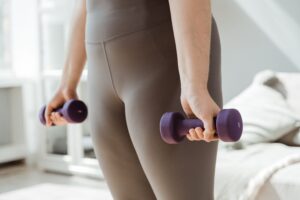


These manual lymphatic drainage exercises are designed to follow the natural sequence and pathways of the lymphatic system, ensuring that lymphatic fluid moves efficiently through the vessels, towards the lymph nodes, and ultimately back to the heart.
Gentle lymphatic flow exercises can be incredibly beneficial for promoting lymphatic drainage and overall supporting your lymphatic vessels.
👋 Hello, I’m Kelly Sturm, a Doctor of Physical Therapy (PT, DPT) and a Certified Lymphedema Therapist. I share helpful resources for those living with lymphedema and lymphatic health concerns.
As a certified physical therapist, I have created this 10-minute gentle, lymphatic flow routine for those struggling with an excess of lymph fluid. This routine has no high-impact movements. It’s done in a comfortable position, either standing or lying down on the ground, or in a bed, and doesn’t require any equipment.
This is Day 1 of LYMPH RESET 21: your free 3-Week Lymphatic Drainage and Exercise Plan. It combines gentle movement and a sequence that encourages lymphatic flow and helps move fluid.
Exercise Considerations for Lymphedema
When starting a new manual lymphatic drainage routine, it’s important to approach it gradually and mindfully. Starting slowly allows you to gauge your body’s response to physical activity and reduce the risk of injury or exacerbating lymphedema symptoms. I always recommend reaching out to your healthcare provider or lymphedema therapist for more personalized guidance.
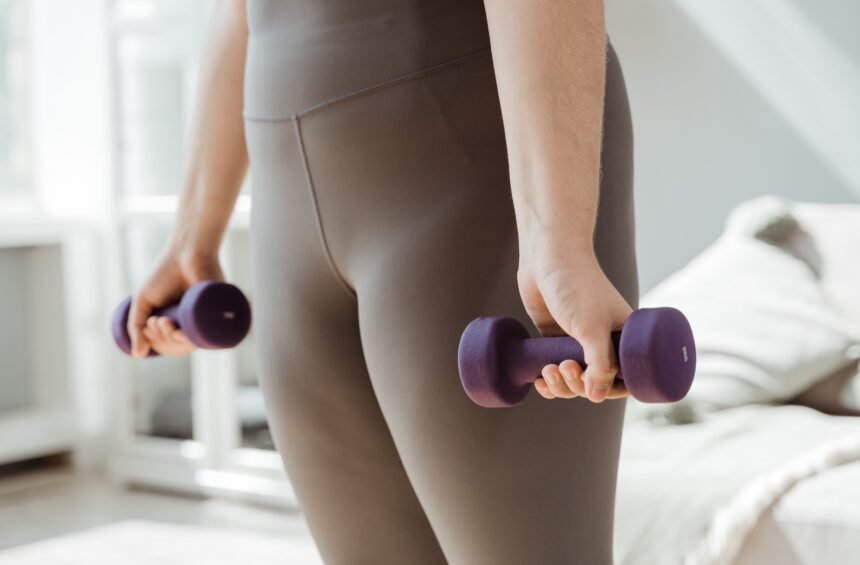
I recommend starting with gentle, low-impact exercises for just 10 or 20 minutes a day. You can build up to heavier weights and longer exercise times, week by week. This gradual introduction helps the lymphatic system adapt to increased activity, promoting healthier lymphatic fluid circulation and minimizing the potential for swelling.
Workout Instructions:
Follow along with the guided lymphatic exercise routine on YouTube, led by certified lymphedema therapist and physical therapist, Kelly Sturm.
If you would like to follow along, while I model this routine, you can watch this YouTube Video ↓
Workout Details:
- 10 minutes of slow and gentle lymphatic exercises
- Timed, sequenced flow
Equipment Needed:
An optional yoga mat for comfort when lying on the floor. A bed works, too!
Workout Routine
- Neck Rolls
- Shoulder Blade Series
- Standing Chest Openers
- Ballerina Stretch
- Forward Body Rolls
- Trunk Rotation
- Bridges
- Alternating Knee to Chest
- Hamstring Floss
- Belly Breathing
10 Lymphatic Drainage Exercises to Reduce Swelling and Improve Lymphatic Flow
All exercises are completed for 50 seconds, with 10 seconds of rest in between each movement. Exercises should remain pain-free and gentle. Modifications, such as spending less time on an exercise or scaling movements to remain comfortable, may be needed.
1. Neck Rolls Exercise

- Stand or sit tall with your shoulders relaxed.
- Slowly drop your chin toward your chest, making sure to tuck it in to avoid straining forward.
- Gently roll your head to the right, bringing your ear toward your shoulder.
- Continue the roll, bringing your head back, and then to the left side.
- Finish the circle by bringing your chin back to your chest.
- Repeat in each direction, moving slowly and smoothly.
2. Shoulder Blade Series Exercise
- Stand with feet hip-width apart and arms relaxed by your sides.
- Cactus your arms. Bring your arms back and down, squeezing your shoulder blades together, as if you’re trying to pinch a pencil between them. Hold for a second.
- Release and then reach your arms out in front of you, push your shoulders forward, rounding your upper back.
- Repeat this motion back and forth.
3. Standing Chest Openers Exercise

- Stand with your arms extended out in front of you at shoulder height. Palms together.
- Gently pull your right arm back as if you’re trying to bring your shoulder blades together.
- Open your chest wide with your arm behind you. Keep your arm at shoulder height
- Hold the stretch for 2-5 seconds, then release.
- Repeat on the left, keeping the movements slow and controlled.
4. Ballerina Exercise
- Stand with feet together or hip-width apart.
- Reach both arms overhead.
- Grab your right wrist with your left hand and gently pull your right arm over, bending to the side at your waist
- Feel a gentle stretch through your side.
- Hold for a few seconds, then switch sides, alternating back and forth.
5. Forward Body Roll Exercise
- Stand with feet hip-width apart, knees slightly bent.
- Tuck your chin down towards your chest.
- Slowly bend forward at your hips, letting your upper body roll down, one vertebra at a time, until your hands reach towards the floor.
- At the same time, bend and crouch down at your knees and hips to curl into a small ball
- Roll back up slowly, straightening your legs and stacking your spine one vertebra at a time, until you return to a standing position.
- Repeat, moving slowly and with control.
6. Trunk Rotation Exercise

- Lie on your back with knees bent and feet flat on the floor, hip-width apart.
- Gently twist your torso to the right, allowing your knees to fall over to the side. Keep your shoulder blades on the floor.
- Hold for a few seconds, then return to the center before repeating and rotating to the left.
- Continue alternating sides.
7. Bridges Exercise

- Lie on your back with knees bent and feet flat on the floor, hip-width apart.
- Press through your heels and lift your hips off the ground, creating a straight line from your knees to your shoulders. Be sure to avoid arching into your lower back
- Squeeze your glutes at the top, hold for a second, then slowly lower your hips back down.
- Repeat for 50 seconds.
8. Alternating Knee to Chest Exercise
- Lie on your back with your legs extended straight. For comfort or back pain, bend your knees and place your feet flat on the floor.
- Slowly pull one knee towards your chest, using both hands to gently hug it in.
- Hold for a few seconds, then release and switch to the other leg.
- Alternate legs.
9. Hamstring Flossing Exercise

- Lie on your back with knees bent and feet flat on the floor, hip-width apart.
- Straighten your right knee, with your leg up towards the ceiling.
- Bend your knee back down.
- Repeat the movement on the left before alternating back and forth.
10. Belly Breathing Exercise
- Lie on your back with your knees bent, feet flat on the ground, and hands on your belly.
- Apply light pressure with your hands into your belly.
- Inhale deeply through your nose, feeling your belly rise as you fill it with air, but allow for resistance with your hands.
- Exhale slowly through your mouth, allowing your belly to fall.
- Repeat, focusing on slow, controlled breathing to relax your body and stimulate the lymphatic system. Apply gentle pressure with your hand to give resistance.
Addressing Potential Challenges and Setbacks
Some people notice that they experience swelling even if they do minimal physical activity. In this case, remember that regular physical activity has important benefits, and try to adjust your routine to minimize swelling without stopping the exercises altogether.
A few other considerations for those with lymphedema or other related health conditions:
- Consult a healthcare professional for more personalized guidance
- Focus on low-impact exercises, especially if you are undergoing treatment
- Gradually intensify your regimen
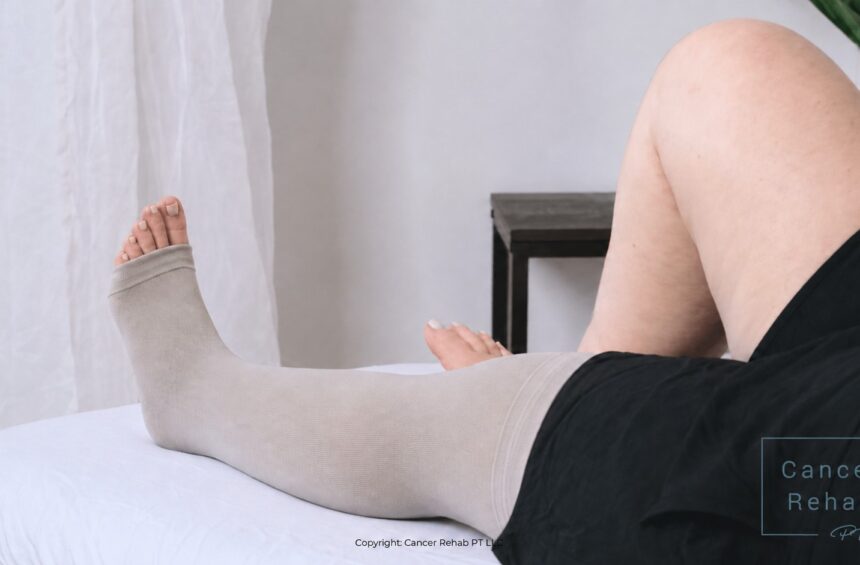
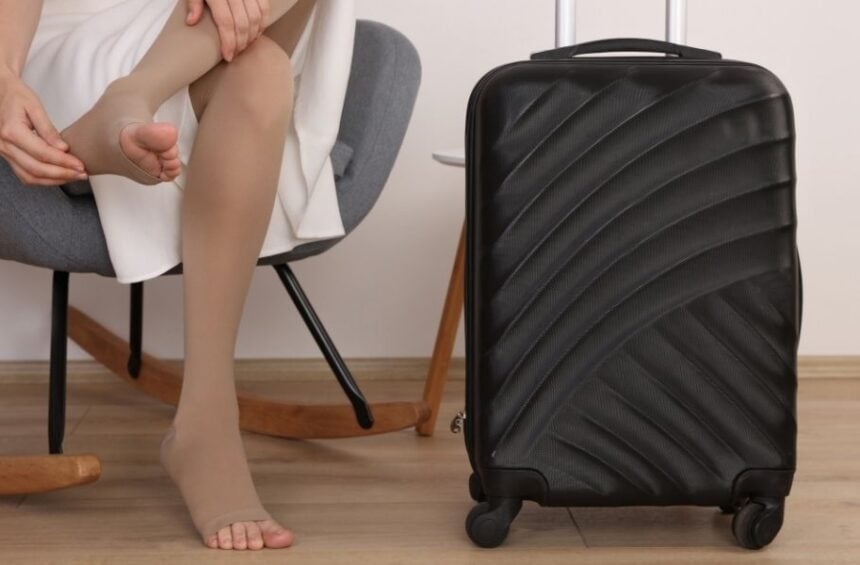
- Use compression garments to reduce swelling
- Adhere to proper hygiene and skin care habits
Sticking with a consistent exercise routine can be challenging, but it can also make a world of difference in your quality of life.
If you’re looking for a guide with more ways to manage lymphedema, click here to obtain the free printable Lymphedema Self-Care E-Guide, including self-management tools and tracking sheets to help you design your personalized care plan.
Final Thoughts: Lymphatic Exercises
Whether you’re new to lymphatic exercises or looking for a quick addition to your wellness routine, lymphatic exercises should remain accessible and beneficial for all fitness levels. Consistency is key, so aim to incorporate these movements into your daily or weekly schedule to get the most benefits.
For additional guidance and resources, be sure to subscribe to my YouTube channel and explore my digital downloads designed to support lymphatic health. You can find simple lymphedema workout routines in this YouTube Playlist.
To learn stretches, techniques, and exercises that you can do at home to manage leg lymphedema, see my comprehensive Lower Body Lymphedema Program.
Frequently Asked Questions
How do you tell if your lymphatic system is blocked?
If you are experiencing an abnormal amount of swelling, especially in the arms and legs, you may have lymphedema. Swelling can occur in other areas as well. Additional possible systems may include: a feeling of heaviness, limited range of motion, or skin changes. It is best to visit your local healthcare professional or physical therapist for diagnosis and treatment options.
What exercise is for lymphatic drainage?
For lymphedema, a combination of strength training and cardiovascular exercise is ideal, with an emphasis on consistency and gradually increasing intensity over time. I recommend low-impact workouts such as swimming, in combination with deep breathing, and other lymphatic drainage stretches such as ankle pumps, shoulder rolls, and knee extensions. Swimming promotes the movement of lymph fluid and also acts as a natural compression, helping reduce swelling.
How do I drain my lymphatic system?
You can drain your lymphatic system by using a combination of manual lymphatic drainage, exercise, and deep breathing. Integrating these practices into your daily routine consistently is the best way to drain and mobilize the lymphatic system. Adding in compression garments can also be helpful for those who have lymphedema or other lymphatic congestion.
What should I consider before starting an exercise routine for lymphedema?
When considering a lymphedema exercise routine, it is essential to start with gentle and low-impact exercises, and adjust or modify your routine if any discomfort or pain occurs. For more personalized guidance you should consult your local healthcare provider.