

Your lymphatic system is essential to maintaining overall health. It helps your body eliminate toxins, bacteria, and waste while supporting the immune system. However, unlike your circulatory system, your lymphatic system doesn’t have a “pump” like the heart to keep fluid moving. Poor lymph flow can cause swelling, fatigue, or even conditions like lymphedema. One of the most effective ways to move lymph fluid through the body is by exercising regularly.
👋 Hello, I’m Kelly Sturm, a Doctor of Physical Therapy (PT, DPT) and a Certified Lymphedema Therapist. I share helpful resources for those living with lymphedema and lymphatic health concerns. Subscribe to my YouTube Channel, get my free guides, or join my Lower Body Lymphedema Program.
I am going to walk you through the benefits of lymphatic exercises and a 10-minute full-body exercise routine that you can do at home to help manage your lymphedema.
This is Day 8 of LYMPH RESET 21: your free 3-Week Lymphatic Drainage and Exercise Plan. It combines gentle movement and a sequence that encourages lymphatic flow and helps move fluid.
Benefits of Lymphatic Exercises
Incorporating lymphatic exercises into your daily routine offers many health benefits and can help improve your quality of life. Benefits include:
- Reduces Swelling: Gentle exercise helps move excess lymph fluid out of tissues and towards your lymph nodes.
- Boosts Immunity: A well-functioning lymphatic system strengthens your immune system by filtering out harmful bacteria or illnesses and supporting your body’s natural ability to fight infections.
- Relieves Discomfort: Swelling or lymphedema can cause heaviness, tightness, and pain. Lymphatic exercises can help reduce these symptoms.
- Encourages Relaxation: Many lymphatic exercises incorporate diaphragmatic breathing and gentle stretching, which can also benefit relaxation and reduce stress.
10-minute Full Body Lymphedema Exercise Routine
If you’re ready to support your lymphatic health, try this 10-minute gentle full-body exercise routine. This simple, low-impact sequence is designed to follow the natural pathways of the lymphatic system, directing fluid toward the lymph nodes and ultimately back to the heart. Whether you are managing lymphedema or hoping to get your lymphatic system moving, all the exercises in this routine are easy to follow and safe for all fitness levels.
If you would like to follow along while I model this routine, you can watch this YouTube Video ↓
Workout Details:
- 10 minutes of slow, gentle standing and lying lymphatic exercises
- Timed, sequenced flow
Equipment Needed:
Optional: a yoga mat for comfort when lying on the floor. A bed works, too!
Workout Routine
- Shoulder Rolls
- Head and Neck Rolls
- Chest Openers with Cactus Arms
- Ballerina Stretch
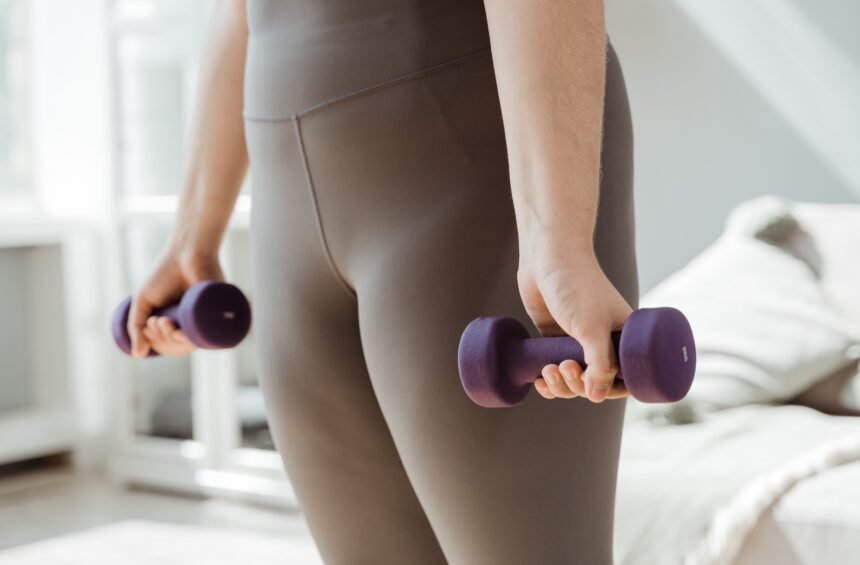
- Biceps Curls into Shoulder Press
- Lying Trunk Rotation
- Bridges
- Single Knee to Chest
- Hamstring Floss
- Deep Breathing
Step-by-Step Full-Body Lymphedema Exercise Routine
This 10-minute routine stimulates your lymphatic system and gently improves circulation. Follow along with the sequence below, completing 10 repetitions of each exercise.
Shoulder Rolls:

- Stand or sit comfortably, with your arms relaxed by your sides and your neck straight.
- Roll your shoulders up towards your ears in a smooth, controlled motion.
- Move them back and down, squeezing your shoulder blades together.
- Complete the roll by bringing your shoulders forward and down.
- Repeat this exercise 8-10 times in both directions (forward and backward).
Head and Neck Rolls:

- Stand or sit tall with your shoulders relaxed.
- Slowly lower your chin toward your chest, keeping your movements controlled.
- Roll your head to the right, bringing your ear toward your shoulder.
- Continue rolling your head backward, then to the left side.
- Complete the circle by bringing your chin back to your chest.
Repeat this motion in both directions to gently release tension in the head and neck
Chest Openers with Cactus arms:

- Stand tall in a relaxed position with feet hip-width apart and knees slightly bent.
- Slowly raise your arms to shoulder height, and bend your elbows at 90 degrees (cactus position).
- Squeeze your shoulder blades together, opening your chest. Avoid arching your back.
- Hold for a few seconds, then release to the starting position.
This movement stretches the chest and shoulders, encouraging lymph flow around the torso and upper body.
Ballerina Stretch:

- Stand with your feet together or hip-width apart. Reach one arm overhead.
- Grab your right wrist with your left hand and gently pull your right arm to the side, creating a deeper stretch through your side.
- Hold the stretch for a few seconds, then repeat this exercise on the opposite side.
This stretch lengthens the sides of your torso, stimulating the lymphatic vessels along the upper body.
Biceps Curls into Shoulder Press
- Stand with feet shoulder-width apart, holding light weights or without weights and your palms facing forward.
- Curl your arms by bending your elbows, bringing your hands to shoulder height (biceps curl).
- Press your arms overhead, extending them fully (shoulder press).
- Lower your arms back to shoulder height, then release to the starting position.
This arm exercise activates the upper body muscles to best support arm lymphedema.
Lying Trunk Rotation:

- Lie on your back with your knees bent and feet flat on the floor, hip-width apart.
- Slowly let your knees fall to the right, keeping your shoulder blades flat on the floor.
- Hold for a few seconds, then return to the center and switch directions.
This gentle twisting motion helps stimulate lymphatic flow in the lower body and core.
Bridges:
- Lie on your back with your knees bent and feet flat on the floor, shoulder-width apart.
- Press through your heels to lift your hips off the ground, keep your body straight from your knees to your shoulders. Avoid arching your lower back.
- Squeeze your glutes at the top, hold for a second, then lower your hips.
Single Knee to Chest:
- Lie on your back with your legs extended.
- Slowly pull one knee toward your chest, using both hands to hug it gently.
- Hold for a moment, then release and switch to the other leg.
- Complete 10 reps and then switch to the other leg.
This leg exercise should feel good on the hips and lower back, supporting lymphatic flow in the lower body.
Hamstring Flossing:

- Lie on your back with your knees bent and feet flat on the floor.
- Slowly raise and straighten your one leg toward the ceiling, keeping your foot flexed. At the top, rotate your ankle clockwise 10 times, then repeat counter-clockwise.
- Slowly bend your knee back down, then straighten it again.
- Repeat the ankle circles on the opposite side.
This dynamic movement stretches the hamstrings and calf muscles, which are where a lot of lymph vessels live.
Deep Breathing:
- Lie on your back with your knees bent and feet flat on the floor.
- Place your hands on your belly and take a deep breath through your nose, feeling your belly rise.
- Exhale slowly through your mouth, allowing your belly to fall.
Repeat this focused breathing to relax your body and stimulate the major lymph nodes in your abdomen and torso.
Want to see these exercises in action?

Watch the full video on YouTube for a guided full-body routine.
Precautions and Considerations
Starting a new exercise routine can be a great way to improve your lymphatic health. While these exercises are generally considered safe for most people, if someone has significant swelling or discomfort or has a diagnosed condition like lymphedema, it’s best to reach out and get clearance from a healthcare provider before beginning this routine or other lymphatic self-care. A lymphedema specialist can provide personalized guidance and help you avoid potential complications.
Follow these simple tips to keep your exercises effective and protect your body.
1. Check with Your Doctor First
If you have lymphedema or other health concerns, talk to your doctor or physical therapist before starting. They can help ensure your exercise plan is safe and appropriate for your needs.
2. Start Slow and Build Up
Begin with short, gentle sessions, for 10 minutes a day. Over time, you can slowly increase the length or intensity of your exercise, adding 1-2 minutes at a time.
3. Pay Attention to Your Body
Your exercises should never hurt. Listen to your body and stick with movements that feel good and comfortable.
4. Wear Compression Garments if Needed
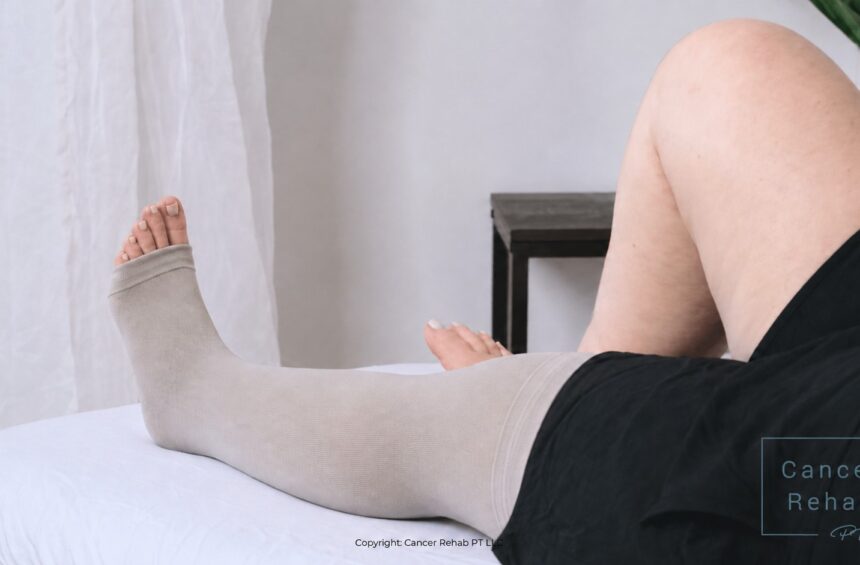
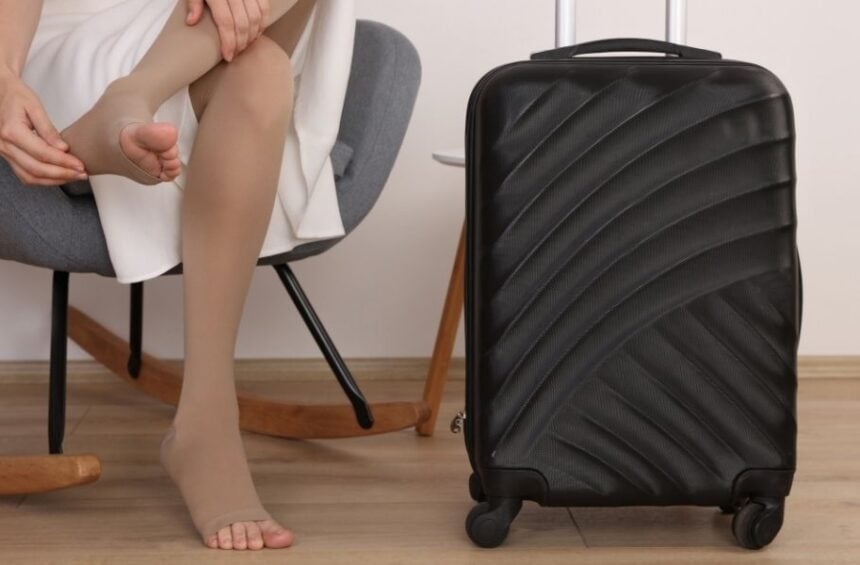
If you have lymphedema, wearing compression sleeves or garments during exercise can help manage swelling and keep fluid moving.
5. Stay Consistent
Doing exercises daily is more important than doing them for a long time. Even 10–15 minutes daily can make a big difference over time.
💪FREE 3-week lymphatic flow plan.
Looking for Relief from Lymphedema?
Managing lymphedema can feel overwhelming, but you don’t have to go through it alone. As a certified lymphedema therapist, I specialize in working with patients who have lymphedema from breast cancer treatment or other related causes. I help guide patients through targeted treatments tailored to your specific needs in my online, self-paced resources Lower Body Lymphedema Program and Breast Cancer Rehab.
Try these simple lymphatic exercises today to reduce swelling in your legs! Sign up for our lymphatic health updates and follow on Youtube for expert lymphatic care.
Frequently Asked Questions
What are the best exercises for lymphedema?
For lymphedema, a combination of strength training and cardiovascular exercise is ideal, with an emphasis on consistency and gradually increasing intensity over time. I recommend low-impact workouts such as swimming, in combination with deep breathing, and other lymphatic drainage stretches such as ankle pumps, shoulder rolls, and knee extensions. Swimming promotes the movement of lymph fluid and also acts as a natural compression, helping reduce swelling.
You can find simple lymphedema workout routines in this Youtube Playlist.
How do you drain the lymphatic system?
You can drain your lymphatic system by using a combination of manual lymphatic drainage, regular exercise, and deep breathing. Integrating these practices into your daily routine consistently is the best way to drain and mobilize the lymphatic system. Adding in compression garments can also be helpful for those who have lymphedema or other lymphatic congestion.
You can read this blog post on manual lymphatic drainage massage for lymphedema.
What should I consider before starting an exercise routine for lymphedema?
When considering a lymphedema exercise routine, it is essential to start with gentle and low-impact exercises, and adjust or modify your routine if any discomfort or pain occurs. For more personalized guidance, you should consult your local healthcare provider.