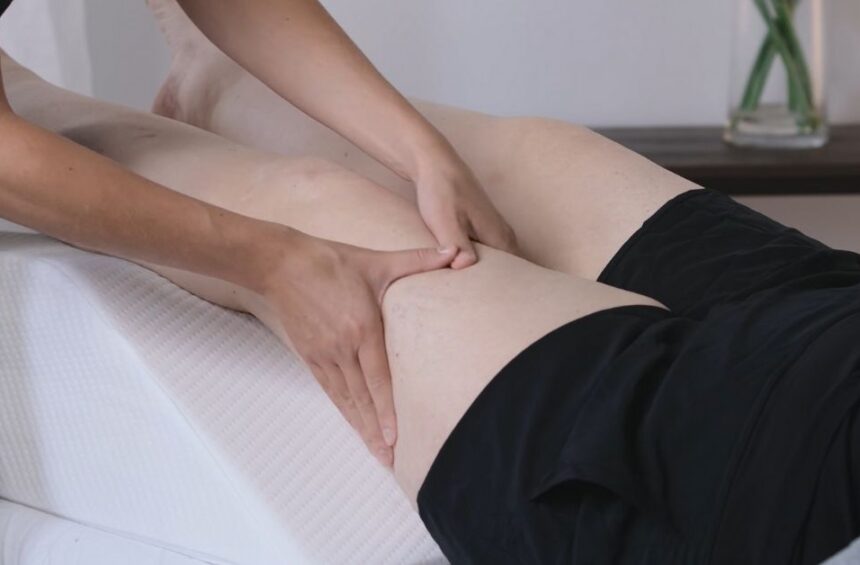
If you are someone with lymphedema or who struggles with swelling, adding consistent rebounder workouts into your weekly fitness routine can improve your lymphatic health and help stimulate lymphatic drainage, while simultaneously being a great workout. Rebounder workouts are a great way to practice balance and coordination while also increasing your heart rate.
👋 Hello, I’m Kelly Sturm, a Doctor of Physical Therapy (PT, DPT) and a Certified Lymphedema Therapist. I share helpful resources for those living with lymphedema and lymphatic health concerns.
If you’re looking for a quick and easy way to support your lymph flow within the entire body, try this fun beginner rebounder workout with 10 simple exercises. This beginner-friendly workout is a great introduction to the basics of rebounding and will help you understand how to incorporate rebounding effectively into your fitness journey.
This is Day 17 of LYMPH RESET 21: your free 3-Week Lymphatic Drainage and Exercise Plan. It’s a new, fun way to boost your lymphatics while also getting a great workout.
Understanding Rebounding
What is Rebounding?
Rebounding refers to a type of low-impact exercise performed on a mini-trampoline or rebounder. A trampoline workout generally involves a series of gentle bounces that engage multiple muscle groups while promoting cardiovascular health, boosting lymphatic flow, and helping you burn calories.
Why Rebounding for Lymphatic Health?
The lymphatic system’s primary goal is to remove toxins, harmful substances, and waste from the body. If someone struggles with poor circulation, swelling, or conditions like lymphedema, the body’s ability to complete lymphatic drainage and fluid flow naturally may be affected.
In addition, the circulatory system relies on the heart to pump blood throughout your body. However, the lymphatic system doesn’t have a natural pump like this; it depends on physical movement and muscle contractions to get lymph flow. Rebounding for lymphatic drainage stimulates the lymphatic system, increasing blood and lymph fluid circulation and reducing swelling, making it an excellent choice for boosting lymphatic flow.
Getting Started: Choosing the Right Mini Trampoline
Best Rebounders for Beginners
As a certified lymphedema therapist, I look for specific qualities when suggesting mini trampolines for my patients. It’s important to find one that fits your needs and meets you where you are, in order to get the most out of your workout. Here are some of my recommendations:


Disclosure: The links included in this section may be affiliate links. I may receive a small commission at no additional cost if you purchase a product or service through the links provided. I appreciate your support.
10 Beginner Rebounder Workout Exercises
Each exercise will be performed for 45 seconds, followed by a 15-second rest. This workout is designed to gently stimulate your lymphatic system, improving circulation and fluid flow.
Follow along with the guided beginner rebounder workout lymphatic exercise routine on YouTube, led by certified lymphedema therapist and physical therapist, Kelly Sturm.
If you would like to follow along, while I model this routine, you can watch this YouTube Video ↓
Workout Details:
- Duration: Each exercise will be performed for 45 seconds, followed by a 15-second rest. You can follow along with the videos below, and during the rest periods, you can walk in place or do a light bounce to keep moving while you catch your breath.
Equipment Needed:
- Rebounder or Mini Trampoline
Workout Routine:
- Walk
- Weight Shift Bounce
- Belly Twist with 4 Bounces
- Weight Shift Bounce with Shoulder Press
- Marching with a Very Slight Jump
- Jumping Jacks
- Weight Shift with Bicep Curls
- High Knee Bounce with Opposite Hand Taps
- Wide Squat Double Jump with Arm Openings
- Side Crunches with 4 Bounces
1. Walk
- Start by standing up straight with your shoulders relaxed.
- Walk in place on the rebounder, lifting your knees slightly.
- Swing your arms naturally while maintaining good posture and balance.
- Keep the bounce gentle with each step.
2. Weight Shift Bounce
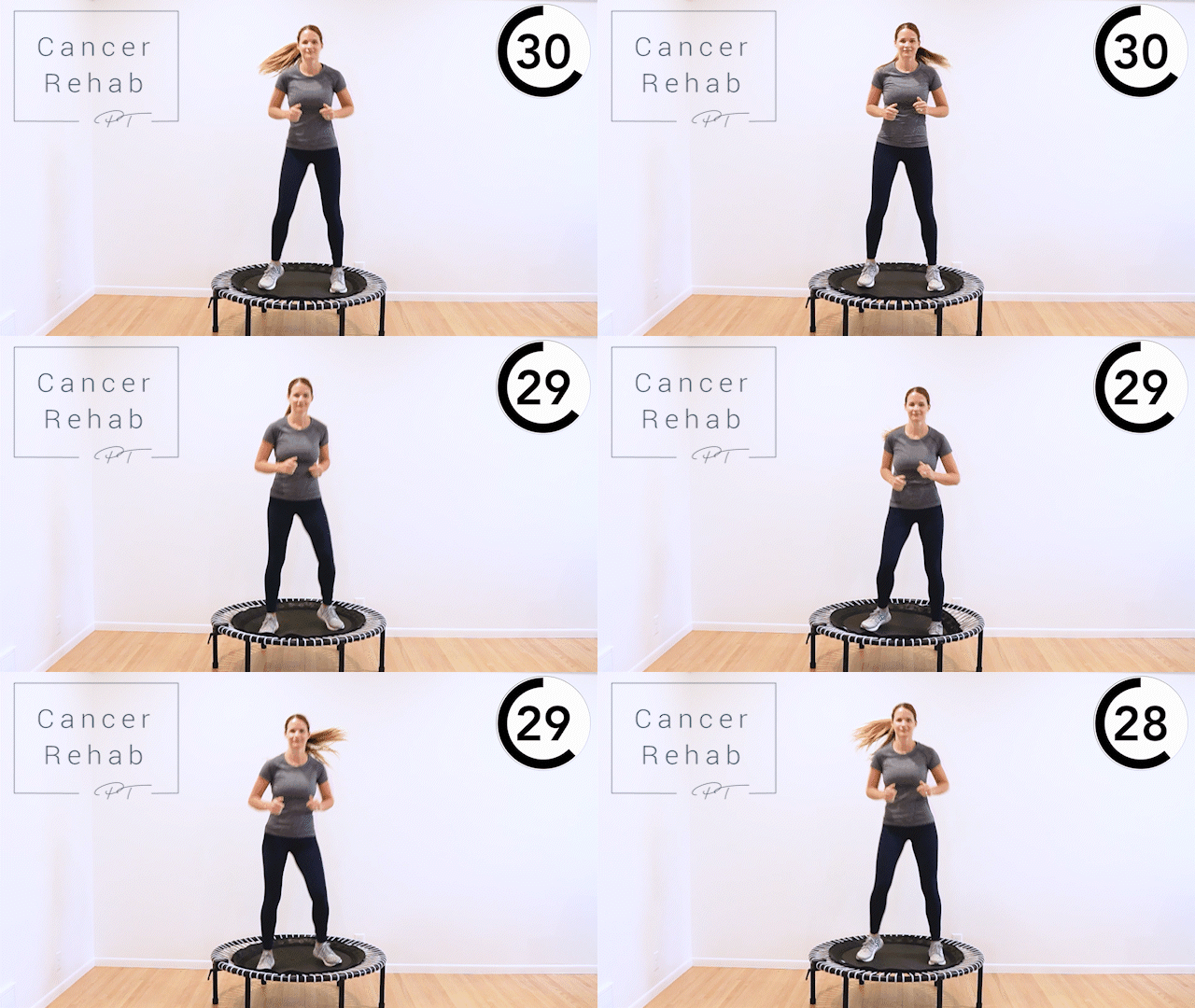
- Start by standing up straight with feet shoulder-width apart.
- Shift your weight from side to side, bouncing gently as you move.
- Engage your core, and keep your knees slightly bent.
- Focus on smooth, controlled movements.
3. Belly Twist with 4 Bounces
- Start by standing up straight with feet shoulder-width apart.
- Twist your torso to the right, keeping your core tight.
- After the twist, perform four gentle bounces.
- Repeat the twist to the left side, using your core to guide the movement.
4. Weight Shift Bounce with Shoulder Press
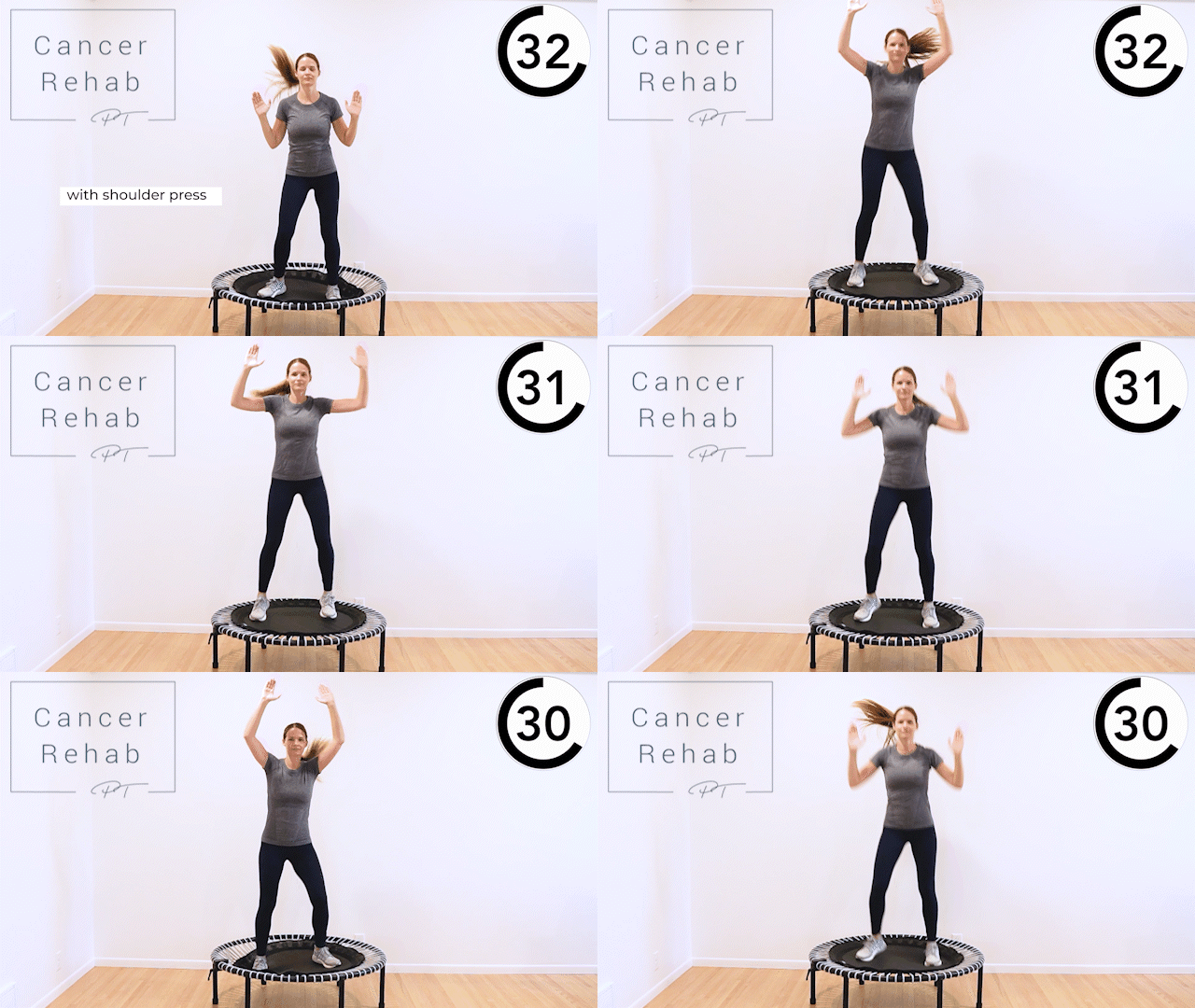
- Shift your weight from side to side, lightly bouncing.
- Press your arms overhead in a shoulder press motion as you shift.
- Keep your movements fluid, and avoid straining your shoulders.
- Maintain a steady rhythm while bouncing.
5. Marching with a Very Slight Jump
- Begin marching in place, lifting your knees slightly higher than usual.
- Add a small, controlled jump with each step.
- Focus on gentle bouncing while keeping your core engaged.
- Maintain balance as you march and jump lightly.
6. Jumping Jacks
- Start with your feet together and arms by your sides.
- Jump, spreading your right and left leg shoulder-width apart while raising your arms overhead.
- Jump again, bringing your feet and arms back to the starting position.
- Keep the bounce soft and controlled to avoid joint strain.
7. Weight Shift with Bicep Curls
- Shift your weight from side to side, bouncing gently with each shift.
- As you shift, curl your arms in a bicep curl motion.
- Focus on controlled movements and maintaining balance throughout.
- Engage your core to stabilize your posture.
8. High Knee with Opposite Hand Taps
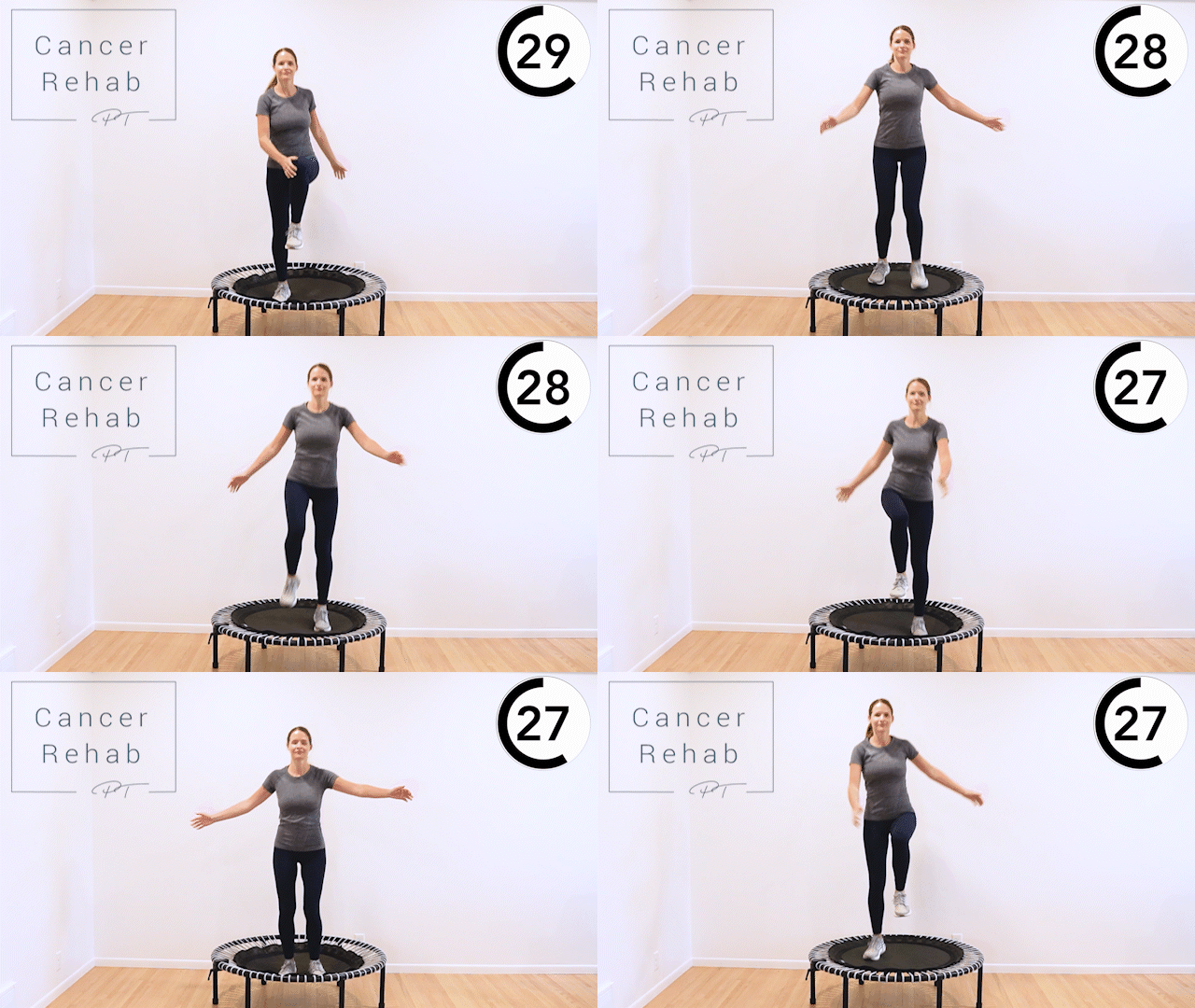
- Start by standing up straight with feet shoulder-width apart.
- Lift your right leg towards your chest and tap your knee with your left hand.
- Alternate sides, lifting your left leg and tapping your knee with your right hand.
- Add a slight bounce between each tap, keeping the movements light and steady.
- Engage your core and maintain balance.
9. Wide Squat Double Jump with Arm Openings
- Start by standing up straight with legs hip-width apart in a squat position.
- Jump twice while staying in the squat position.
- Open your arms wide as you jump, engaging your shoulders.
- Keep your core tight and focus on controlled movements.
10. Side Crunches with 4 Bounces
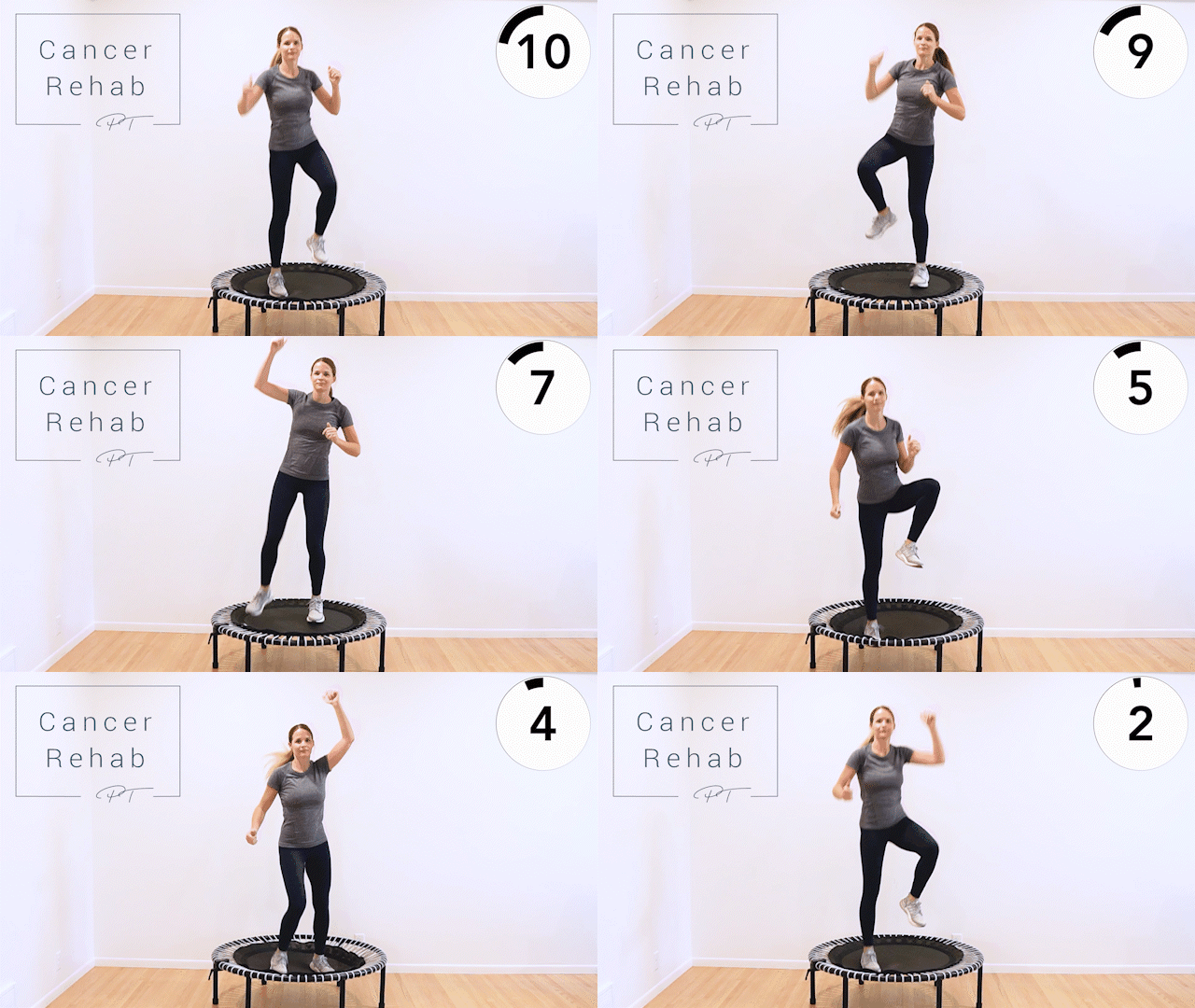
- Start by standing up straight and twist your torso to the side, performing a side crunch.
- After the twist, do four gentle bounces.
- Repeat the side crunch on the opposite side.
- Focus on engaging your core while keeping the movements smooth.
Recovery Breaths
After you finish, take a few moments to cool down. Focus on breathing deeply, inhaling through your nose, and exhaling through your mouth.
Integrating Rebounding Into Your Fitness Routine
To make the most of your rebounding workout, consider the following tips:
- Start Slow: Start with 5-10 minutes on a rebounder and gradually increase as you gain comfort. Set a goal of exercising 3-5 times a week and being consistent. Regular exercise is best for long-term lymphatic drainage.
- Combine with Other Exercises: Integrate rebounding into your fitness routine, using it before or after yoga, strength training, walking, or as a warm-up for cardio workouts.
- Focus on Form: Throughout your workouts, keep your core engaged, your knees slightly bent, and your upper body relaxed. Proper form ensures you get the most benefit from your workout and reduces the risk of injury.
Precautions and Considerations
Before starting any new routine, communicate with a healthcare professional for personalized guidance, especially if you have pre-existing conditions. Individuals with bone fractures, severe joint issues, or certain medical conditions should not use a rebounder.
If you’re new to exercise or have specific concerns, start slowly and gradually increase your workout intensity to avoid straining or injury. Listen to your body and avoid pushing yourself too hard. If you need clarification on whether rebounding is safe, work with a physical therapist or healthcare professional who can provide personalized advice and guidance.
Safety Tips for Mini Trampoline Workouts
As with most exercises, it is important to listen to your body and follow basic safety precautions. When using a rebounder, consider the following:
- Start with Gentle Movements: To get comfortable on a mini trampoline, begin with light bounces and opt to get a handlebar to hang on to for balance. Gradually increase the intensity and duration of your workout as you get more comfortable.
- Wear Supportive Footwear: Choose shoes with good support to protect your feet and joints. Athletic shoes are typically a good option.
- Ensure Proper Setup: Place your rebounder on a flat, stable surface to minimize the risk of falls.
Final Thoughts: Lymphatic Health and Rebounding
Whether you’re new to rebounder exercises or looking for a quick addition to your wellness routine, rebounder exercises should remain accessible and beneficial for all fitness levels. Consistency is key, so aim to incorporate these movements into your daily or weekly schedule to get the most benefits.
For additional guidance and resources, be sure to subscribe to my YouTube channel and explore my digital downloads designed to support lymphatic health. You can find simple lymphedema workout routines in this YouTube Playlist.
To learn stretches, techniques, and exercises that you can do at home to manage leg lymphedema, see my comprehensive Lower Body Lymphedema Program.
Frequently Asked Questions
How long should I rebound as a beginner?
As with any new exercise routine, it is best to start slowly and work up to a longer duration as you get more comfortable with the movements. Even just rebounding for 5 minutes a day can be beneficial for lymphatic health.
What is the difference between a rebounder and a mini trampoline?
The terms rebounder and mini trampoline can be used interchangeably; however, it is important to know that there may be size and purpose differences. Rebounders are different from the big trampolines you might see in backyards. They are designed specifically for low-impact workouts and exercises. You can use them for gentle bouncing or more energetic exercises.
I use and love the Bellicon Rebounder. You can learn more and customize your own here.
How long does it take to see the benefits of rebounding?
You should aim to rebound for at least 10-15 minutes each session. This gives your body enough time to create the pumping effect that helps move lymph fluid. You don’t need to bounce vigorously – gentle, consistent movement works well for lymphatic health. You can also do two or three shorter sessions throughout the day rather than one longer session. But ultimately, even a few minutes of gentle bouncing several times a day can help support your lymphatic health!
What is the downside of rebounding?
Like any form of exercise, rebounding isn’t perfect for everyone. Some people might feel dizzy when they first start, especially if they have inner ear issues or balance problems. Some people might also need to avoid rebounding due to certain health conditions like severe back problems or recent surgery.
You also need enough ceiling height to bounce comfortably, and you should always check your rebounder for wear and tear. Always check with your healthcare provider before starting any new exercise routine.