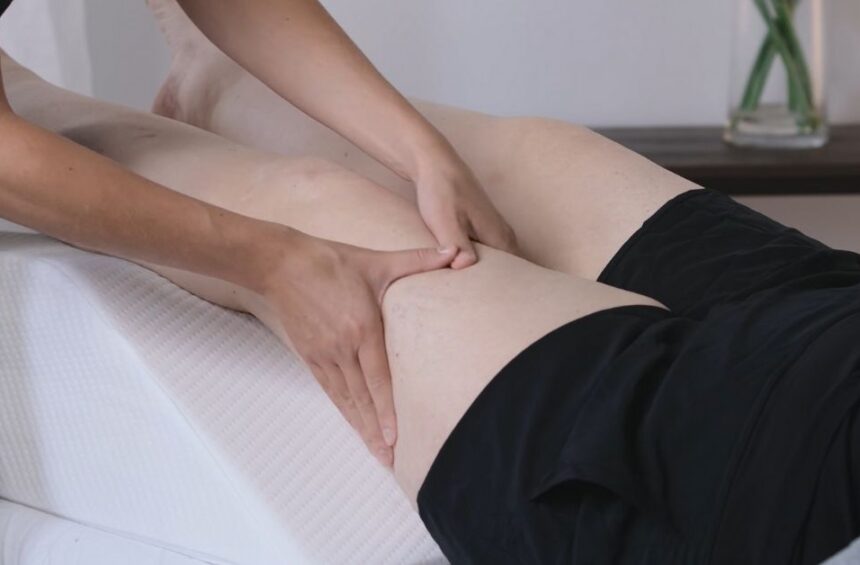
The lymphatic system is a key part of the immune system and helps protect the body from illnesses and infections. It acts like a drainage network, filtering waste, toxins, and other harmful substances from the body to improve overall health. However, when the lymphatic system gets backed up or isn’t working correctly, it can cause swelling in different parts of the body and make it harder for the body to fight off infections.
A great way to support the lymphatic system and keep fluid moving is through manual lymph drainage. This gentle technique stimulates the flow of lymph fluid out of a congested area, reducing swelling and improving overall immune health.
👋 Hello, I’m Kelly Sturm, a Doctor of Physical Therapy (PT, DPT) and a Certified Lymphedema Therapist. I share helpful resources for those living with lymphedema and lymphatic health concerns.
This is Day 19 LYMPH RESET 21: your free 3-Week Lymphatic Drainage and Exercise Plan.
How to Perform Manual Lymphatic Drainage Massage
You can follow along with this full-body lymphatic massage to promote lymphatic drainage and reduce swelling and congestion.
Watch the YouTube video 👇
Lymphatic Massage Details:
- This routine can be done sitting or standing
- 18 minutes needed for the entire routine
- Looking for a printable to follow along with? Shop my guide.
- No Equipment Needed
Before You Begin
Proper preparation can help optimize lymphatic flow and make the massage experience more effective and comfortable. If you have new symptoms or pain, always check in with your doctor for safety clearance.
This routine is suitable to be done daily. It is recommended to do this routine directly on the skin, if you are able.
As you move through the sequence, focus on using gentle pressure. The lymphatic system is just beneath the skin, so pressing hard during your massage is unnecessary.
Step-by-Step Lymphatic Drainage Massage Sequence
1. Begin with Deep Breathing
- Begin in a comfortable position.
- Place your hands gently on your belly.
- Take a deep breath through your nose, feeling your abdomen expand into your hands.
- Exhale slowly through your mouth.
- Repeat this deep breathing exercise three to four times.
2. Stimulate the Collarbone Lymph Nodes

- Using the flat surfaces of your fingers, gently perform circular motions just below your collarbone on both sides.
- Do eight to ten circles on each side. (Note: This area is crucial because all lymphatic fluid eventually drains here before returning to the heart.)
3. Work Around the Ears and Armpits

- Split your fingers to place them comfortably around your ears.
- Focus on the area just below the ears.
- Perform eight to ten gentle circular motions on each side.
4. Stimulate the Axillary (armpit) and Inguinal (groin) Lymph Nodes

- Place your hand directly into your armpit.
- Using light pressure, make eight to ten circular motions.
- Repeat on the other side.
- Then, complete the same circular motions at the groin before your sitting crease. Repeat on both sides.
Divide the Body into Sections
To effectively move lymph fluid, you’ll need to work on different sections of your body one at a time:
a. Upper Body and Chest

- Divide your upper body into quadrants.
- On your right side, gently sweep fluid toward the armpit eight to ten times.
- Use short strokes and work in sections, starting near the body’s center and moving outward, ensuring each area is addressed.
- Repeat the same process on your left side, focusing on moving the lymph fluid upward.

b. Arms
- Begin at the shoulder and work in sections, still working the lymphatic fluid towards the armpit and completing 3-5 strokes in each area or section of the arm.
- After the shoulder, repeat the section from your elbow to your shoulder, then around the elbow, then wrist to elbow, and finally the fingers to hand.
- After reaching the hand, focus on massaging the fingers, working between tendons and bones where fluid accumulates.
- Elevate your arm above your heart to let gravity assist in moving the fluid.
- After finishing down the arm, repeat the steps in the opposite direction, hand to shoulder, moving fluid towards the armpit.

c. Pelvis and Lower Abdomen
- Start in your lower abdomen and pelvic area, below the belly button level. Move the fluid here down towards the lymph nodes in the pelvic area with 3-5 strokes in each area.
- The fluid in your lower back and bottom should wrap around the body to the lymph nodes in front.
D. Legs

- Start at the knees and work upward toward the inguinal lymph nodes in the front of your hips. Working in all areas of the thigh 3-4 times.
- On the back of your thighs, guide the fluid upward and around to the front.
- Complete 8-10 circles behind the back of the knee where there are more lymph nodes.
- For the lower leg, massage the fluid from the ankles and calves toward the knee 3-4 times.
- Work around the ankle bones and down to the foot and toes.
- Once you make it to the toes, then repeat the same movements in the opposite direction (toes to groin)
Finish with Deep Breathing
End your lymphatic drainage routine with four deep breaths, placing your hands on your abdomen again and giving a slight inward pressure. Deep breathing helps clear any remaining fluid and encourages lymphatic function throughout the body. Make sure you feel your belly expand and contract with each breath.
Important Safety Tips and Guidelines
1. Consult a Healthcare Professional if You Have Medical Conditions
People with conditions such as lymphedema, heart disease, kidney issues, or recent surgeries should seek clearance from their doctor or lymphedema therapist for personalized guidance and to ensure the treatment is safe for them and their personal medical needs.
2. Avoid Massaging Areas with Active Cancer or Infection
If you have or have had cancer, it is crucial to avoid massaging areas of active cancer or where tumors are present. Always get clearance from your oncologist or doctor before performing lymphatic drainage massage, especially if you are undergoing or have recently completed cancer treatments.
3. Post-Surgical Considerations
If you’ve recently had surgery, it’s best to wait until your surgeon or doctor has given you clearance to start manual lymphatic drainage. This is particularly important to reduce the risk of infections and to avoid disrupting the healing process or causing complications.
4. Avoid If You Have Infections and Blood Clots
If you have an active infection, fever, or a blood clot, avoid performing lymphatic drainage massage in the affected areas. There is a risk of spreading infection or dislodging a clot, which can cause severe medical complications. Always seek medical attention immediately for any of these conditions and wait to resume massage until your doctor clears you.
The Benefits of Lymphatic Drainage Massage
Manual lymphatic drainage is accessible for most and can easily be incorporated into a daily routine. It has many benefits that can improve overall wellness. Here’s how it can help:
Reduces Swelling and Lymphedema
Lymphatic drainage helps reduce swelling in areas like the arms and legs by moving built-up fluid. For individuals with lymphedema, post-surgery swelling, or chronic conditions like lipedema, this technique can help decrease the swelling, making it easier to move and reducing pain or discomfort.
Strengthens the Immune System
The lymphatic system is closely tied to your body’s immune system. Lymph fluid flows to your lymph nodes, where it is then filtered for harmful substances like bacteria and toxins before moving back to the heart. By improving the flow of lymph fluid, your immune system gets a boost to fight infections more effectively.
Improves Circulation
People with chronic venous insufficiency often see significant improvements in blood flow with lymphatic drainage massage, which can help reduce swelling and discomfort in the legs. Ideally, this is done when the legs are elevated so gravity can also assist in moving blood. Better lymph flow leads to better circulation.
Speeds Up Healing and Recovery
If someone is recovering from surgery or feeling run down, lymphatic massage can speed up healing. It increases blood flow and helps reduce pain and swelling during recovery.
Before trying lymphatic massage, it’s essential to ensure your surgery incisions are fully closed and your surgeon or doctor clears you. Working with a professional massage therapist or certified lymphedema therapist is also encouraged.
Improve Your Lymphatic Health in Just Minutes a Day – Get Started with Our Guide!
There are steps you can take to support your lymphatic health. By incorporating lymphatic drainage massage and other lymphedema exercises into your routine, you’ll not only reduce swelling but also support your immune health and improve circulation. The best part? It only takes minutes a day to see real benefits. Check out our shop for all downloadable guides.
If you want more educational content, round-ups of resources, highlights of topics, and tips, and expert tips and guidance, make sure to subscribe to our newsletter or join us on YouTube!
Frequently Asked Questions
How often should I perform lymphatic drainage massage?
For general wellness, once a day or a few times a week is often enough. For people managing swelling from lymphedema or post-surgery recovery, daily sessions may be recommended by a healthcare provider or certified lymphedema therapist.
Who should avoid lymphatic drainage massage?
You should avoid lymphatic drainage massage if you have active cancer in the area, an active infection, a fever, untreated blood clots, or if you’re recovering from recent surgery without medical clearance. Always talk to your doctor first if you have a chronic health condition.