

If your arm feels swollen, heavy, or tight, lymphedema exercises for arms can help you feel better.
Arm lymphedema happens when lymph fluid collects in your arm because your lymphatic system isn’t draining properly. That system normally clears extra fluid from your tissues and filters it through your lymph nodes, but surgery, radiation, infection, or a genetic condition can damage it and slow it down.
Lymphedema is a chronic condition, but you still have a lot of say over how it feels day to day, and gentle arm exercises are one of the best ways to manage it.
In this article, I’ll explain what arm lymphedema is and share ten simple exercises you can do at home to reduce swelling and move more easily.
What Is Arm Lymphedema?
Arm lymphedema is swelling that builds up in your arm, hand, or fingers when lymph fluid can’t drain the way it’s supposed to.
Your lymphatic system works like a drainage network, moving fluid and waste out of your tissues. When lymph nodes are removed or damaged, often during cancer surgery or radiation, that fluid has nowhere to go and starts to collect.
The result is swelling, along with feelings of heaviness, tightness, or aching in the affected arm.
According to the American College of Surgeons, arm lymphedema occurs in about 17% of breast cancer survivors, and the risk climbs much higher after certain procedures, reaching up to 70% after a modified radical mastectomy.
Do Arm Exercises Help with Lymphedema Symptoms?
Yes! Arm exercises are one of the most effective ways to treat lymphedema. When you move your arm, your muscles gently contract and act like a pump, pushing built-up lymph fluid toward areas where it can drain. This helps bring down swelling and keeps fluid from pooling in one spot.
Regular movement also keeps your shoulder and arm flexible, which is important because tightness and stiffness are common after cancer treatment.

10 Arm Lymphedema Exercises to Reduce Swelling and Discomfort
Here is a simple lymphedema exercise routine for arms that I recommend as a certified lymphedema therapist (CLT-LANA).
1. Deep Breaths
Let’s start with deep breathing to promote lymph fluid flow and help you feel more relaxed.
Place your hands on your belly and gently press inward. When you take a deep breath, you should feel your belly expand. Repeat this exercise 4-5 times.
2. Neck Rotations
To gently activate your head and neck lymph nodes, stand straight and look over your shoulder to the right and then back. Then, look over your shoulder to the left and come back to the center. Repeat this exercise 8-10 times in each direction.
3. Shoulder Rolls
Bring your shoulders up toward your ears and roll them back down. Continue to move your shoulders in an exaggerated circular motion, making the movement as large as you can. Switch the direction of the movement if it feels good to do so! Repeat 8-10 times in each direction.
4. Shoulder Circles

Lift one of your arms up and move it in large circles up and over your head. Do a couple of circles in different directions and switch your arms. Repeat 8-10 times on both sides.
If you experience any tightness or pain in your shoulder, adjust the motion to make the circles smaller. The goal is to go as large as you can without adding more pain.
5. Trunk Side Bends

Tip your entire torso over to the side and allow for a stretch on your opposite side. Go back up and tip over to the opposite side. If you can tolerate it, put your hand over your head when you rotate for a deeper stretch. Repeat 8-10 times on each side.
6. Shoulder Retraction

Squeeze your shoulder blades together and then extend your arms out in front of you, exaggerating the motion. Move back and forth, squeezing your shoulder blades together and then extending your arms forward. The idea is to open up your chest and give your shoulders a nice stretch. Repeat 8-10 times.
7. Bicep Curls

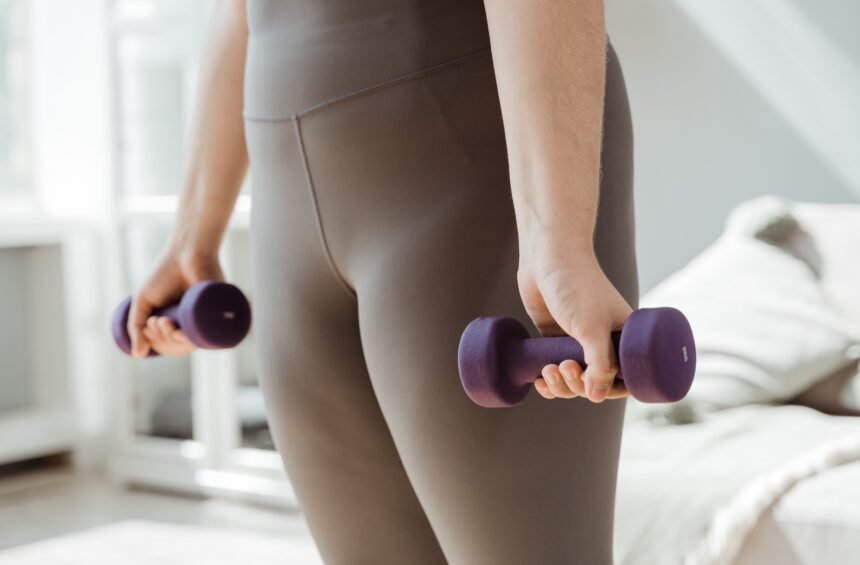
Straighten your elbows to your sides, bring your hands to your shoulders, and then bring your hands back down. If you can tolerate it, consider adding in a bit of weight (1-2Ibs). Repeat 8-10 times.
8. Wrist Rotation

Rotate your wrists back and forth to stimulate your forearms. You can bend your elbows or do this exercise with straight arms, whatever feels comfortable. Repeat 8-10 times.
9. Wrist Circles

Move your wrists in a circular motion, then switch directions and move a few more times. You can also add a couple of ups and downs or pumps to activate and stretch your wrists. Repeat 8-10 times.
10. Grip Squeeze

Grab an exercise ball, roll up a towel to squeeze, or simply make fists. Squeeze your fists and then open your hands all the way, straightening out your fingers. If your fingers are swollen, just go with the motion that you can tolerate. Repeat 8-10 times.
Other Ways to Manage Arm Lymphedema
Exercise is one of the most important tools for managing arm lymphedema, but it works best alongside other treatments. A well-rounded plan often pairs movement with therapies that support your lymphatic system in different ways. These include:
- Compression therapy uses sleeves or bandages that apply gentle pressure to keep fluid moving and stop it from building up
- Manual lymphatic drainage is a light massage technique, performed by a trained therapist, that guides trapped fluid toward healthy lymph nodes
- Vibration plates deliver gentle whole-body vibrations that may help stimulate circulation and encourage lymph flow
- Rebounder workouts use a small trampoline, and the soft bouncing motion helps activate your lymphatic system
- Red light therapy uses low-level wavelengths of light that some studies suggest can reduce swelling and support tissue healing
- My program, Breast Cancer Rehab, walks you through safe, guided exercises and self-care techniques for managing lymphedema and recovering after breast cancer
As a certified lymphedema therapist (CLT-LANA), I recommend combining a few different approaches for your lymphedema self-care routine, so you have a lymphedema management “toolbox” to pull from.
FAQs
What are the best exercises for lymphedema in the arm?
Some of the best arm exercises for lymphedema include neck rotations, shoulder rolls, shoulder circles, shoulder abduction exercises, bicep curls, and wrist movements. These gentle motions help move lymph fluid and ease swelling. You can follow a simple arm lymphedema routine in this YouTube video or get a complete, guided program inside Breast Cancer Rehab.
How do I get rid of lymphedema in my arm?
Lymphedema is a chronic condition, so it can’t be fully cured, but you can manage it well. Helpful steps include doing regular arm exercises, wearing compression garments or bandages, using an arm pump, keeping your arm elevated, eating a balanced diet, and protecting your skin from infection. A lymphedema specialist can help you build the right routine.
How do you drain the lymphatic system in your arms?
You can encourage drainage with gentle lymphatic drainage self-massage. Using light pressure, stretch and release the skin starting at your shoulder, then slowly work your way down toward your upper arm and hand. This guides trapped fluid toward healthy lymph nodes. Deep breathing and simple arm exercises also support lymphatic drainage.
What is arm lymphedema and how can exercises help manage it?
Arm lymphedema is swelling that develops when lymph fluid builds up in your arm, usually after lymph nodes are removed or damaged. Regular exercise helps by gently pumping that trapped fluid out of the area, which reduces swelling. Movement also keeps your arm and shoulder flexible, making everyday activities easier and more comfortable over time.
What should I consider before starting an exercise routine for lymphedema?
Before starting, check with your doctor or a lymphedema therapist to make sure your plan is safe for you. Begin with gentle, low-impact movements and pay attention to how your arm responds. If you notice pain, increased swelling, or discomfort, stop and adjust your routine. Build up the intensity slowly, and never push through symptoms.
Want More Support with Arm Lymphedema?
Arm lymphedema is a chronic condition that brings swelling, discomfort, and a limited range of motion. Adding regular movement to your daily routine is one of the best ways to reduce swelling and keep your symptoms under control.
Set realistic expectations for yourself and start with gentle, low-impact exercises so you don’t strain your arm or worsen your symptoms. As your body gets stronger, you can slowly increase how much you do.
If you’re looking for more exercises to add to your routine, try these guides: