



Rebounder workouts have become increasingly popular, so you might be wondering if the health benefits are real and how to get started.
A rebounder is a small trampoline that you can use for low-impact bouncing exercises. As a physical therapist and lymphatic specialist (CLT-LANA), I find it one of my favorite ways to support lymphatic drainage.
Here’s one of my go-to rebounder workouts to help reduce swelling and get your lymph flowing!
What Is a Rebounder Workout?
A rebounder is a mini trampoline, usually about 3-4 feet in diameter.
You can keep it in your living room, bedroom, or any space with enough ceiling clearance to bounce comfortably. Most rebounders fold up or store easily when you’re not using them.
Rebounder workouts can be as simple or varied as you want. You can do structured exercises like the ones I’ll share below, or you can just bounce in place while watching TV.
A NASA study found that 10 minutes of rebounding was up to 68% more effective than 30 minutes of jogging. This makes rebounding a great option if you have a busy schedule but still want an efficient workout that supports your lymphatic system!
Rebounder Workout Benefits
Trampoline workouts create an up-and-down motion that works with gravity to move lymph fluid through your body. When you bounce, your muscles also contract and relax repeatedly, which squeezes your lymphatic vessels and pushes fluid along.
Here are the main benefits of rebounder workouts:
- Lymphatic drainage: The bouncing motion pumps lymph fluid through your body and reduces swelling
- Low-impact cardio: You get your heart rate up without stressing your joints like running or other high-impact activity does
- Bone density: The gentle impact helps your body build and maintain stronger bones.
- Balance and coordination: Regular bouncing improves your stability and body awareness
- Muscle strength: Your leg and core muscles work to keep you balanced while you bounce
- Energy boost: Many people feel more energized after just a few minutes of rebounding
One of my favorite things about trampoline exercises is that you don’t need to bounce vigorously to get these benefits! Even gentle bouncing supports your lymphatic system and overall physical fitness.
Learn more about how to detox your lymphatic system naturally.
10-Minute Rebounder Workout: 15 Exercises from a Physical Therapist
Here’s a workout you can do on a small trampoline to support a healthier lymphatic system and build muscle strength.
This full-body rebounder workout should take you about 10 minutes.
1. Walk in Place

Start by simply walking on your rebounder. Stand tall with your feet shoulder width and your core engaged. This gentle movement helps you find your balance and gets your lymphatic system working.
2. Larger Marching with Arm Swings
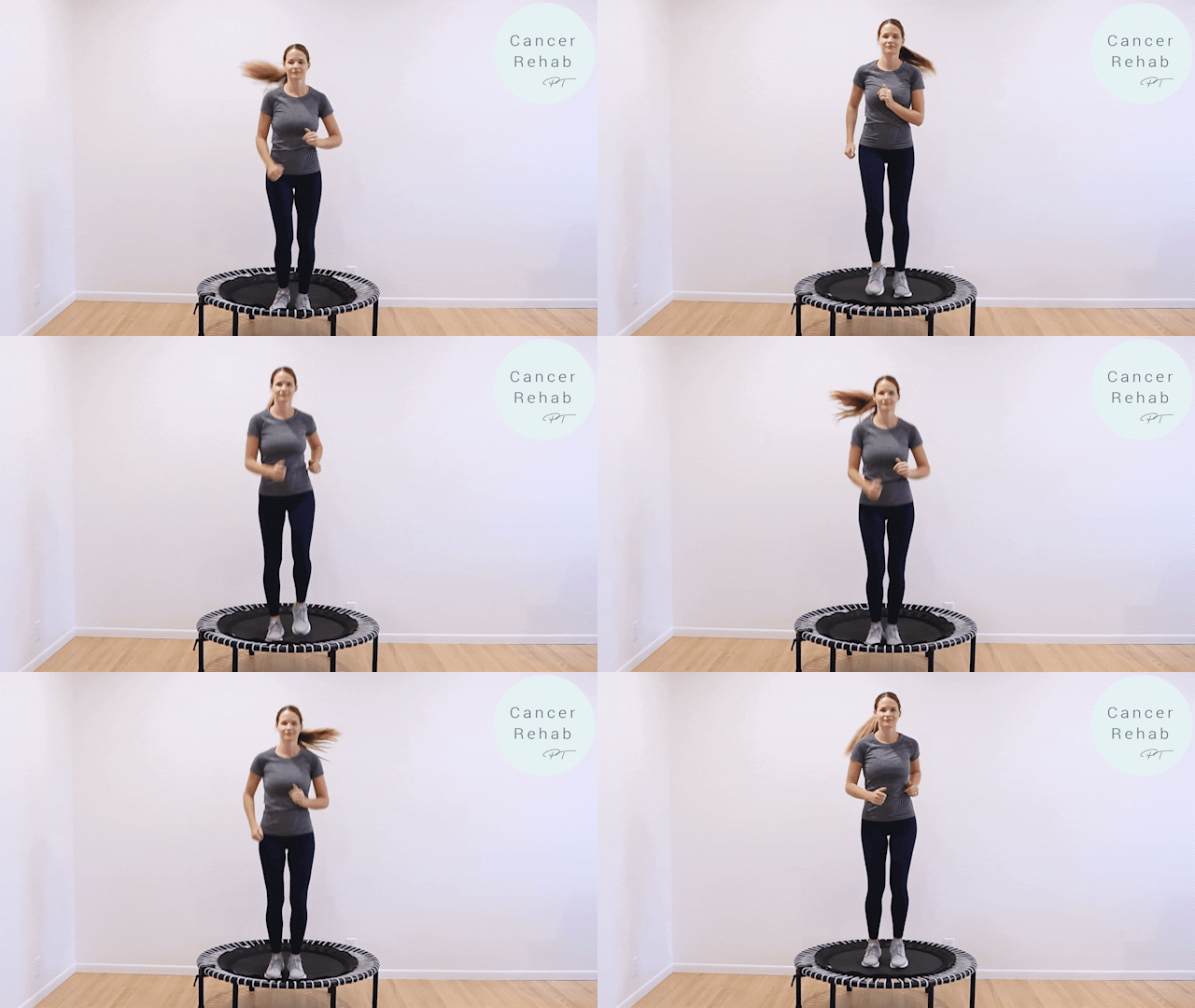
Lift your knees a bit higher now. Let your arms swing naturally like you’re taking a brisk walk. This movement gets more of your body involved and helps pump lymphatic fluid through your system.
3. Weight Shift Jumps

Stand with your feet hip-width apart with a slight bend. Gently shift your weight from one foot to the other while bouncing from side to side. This helps move lymph fluid in your legs and improve balance. It gets your heart pumping, too!
4. Jumping Jacks with Feet

Move your feet out and in, like you’re doing the bottom half of a jumping jack. This helps you stay stable while working your lower body. You don’t have to move your arms for this exercise (you can keep your arms straight or bent, whatever you prefer).
5. Jumping Jacks with Arms

Now add your arms to the movement. Reach out to the sides and up over your head while your feet move. This gets your whole body moving and helps lymph flow everywhere.
6. Split Jumps with Arms by Sides

Step one foot forward and one foot back while keeping your knees slightly bent. Switch them back and forth with a gentle bounce. This helps your balance and gets the lymph moving in your legs. Make sure to maintain proper form and switch legs as fast as it’s comfortable for you.
7. Split Jumps with Biceps Curls

Keep switching your feet front to back. Now add arm curls – bring your hands up toward your shoulders as you jump. This adds upper body movement to help lymph flow in your arms.
8. Large Run
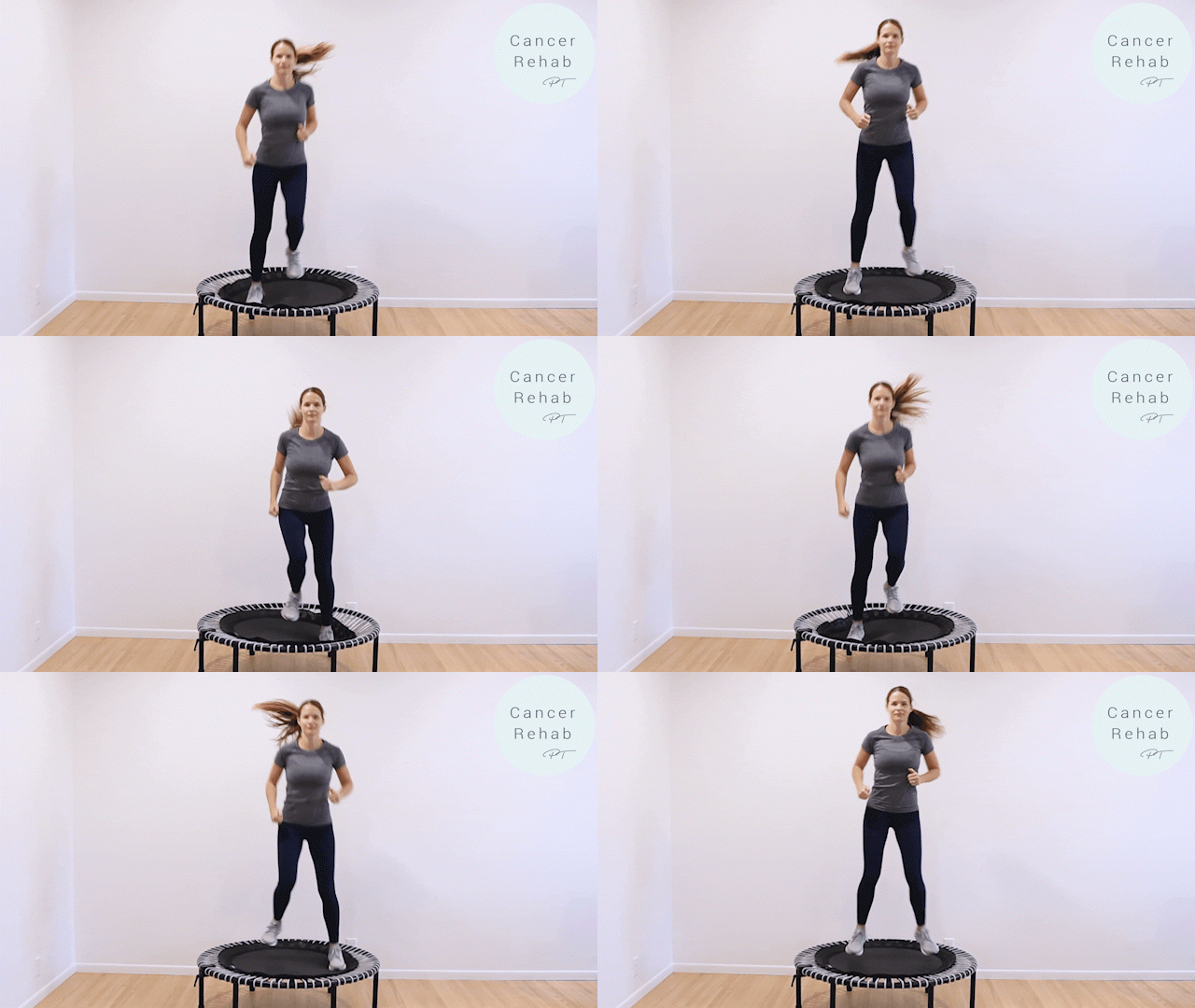
Run in place with slightly higher bounces. Keep your movements controlled. This exercise really gets your entire body pumping!
9. Cross Overs

Step side to side, crossing your left leg over your right leg and the other way around. Do the same thing with your arms. Do a basic bounce as you move. This exercise helps your coordination and moves lymph in different directions.
10. Rotation Jumps

Make small jumps while slowly turning your body. Start slow and stay in control of your movement.
11. Monster Jumps

Take wider steps while bouncing, like a big jumping jack. Focus on your lower body movement.
12. Monster Jumps with Arm Openers

Add big arm movements to your monster jumps. Open and close your arms with your legs. This helps lymph flow through your whole body.
13. Opposite Hand to Knee Taps

While bouncing, touch your right hand to your left knee, then switch sides. Keep your core engaged.
14. Side Crunches

Bounce on the mini trampoline while bending to each side. Reach toward your outer thigh. This helps move lymph fluid in your core and sides.
15. Heel Taps
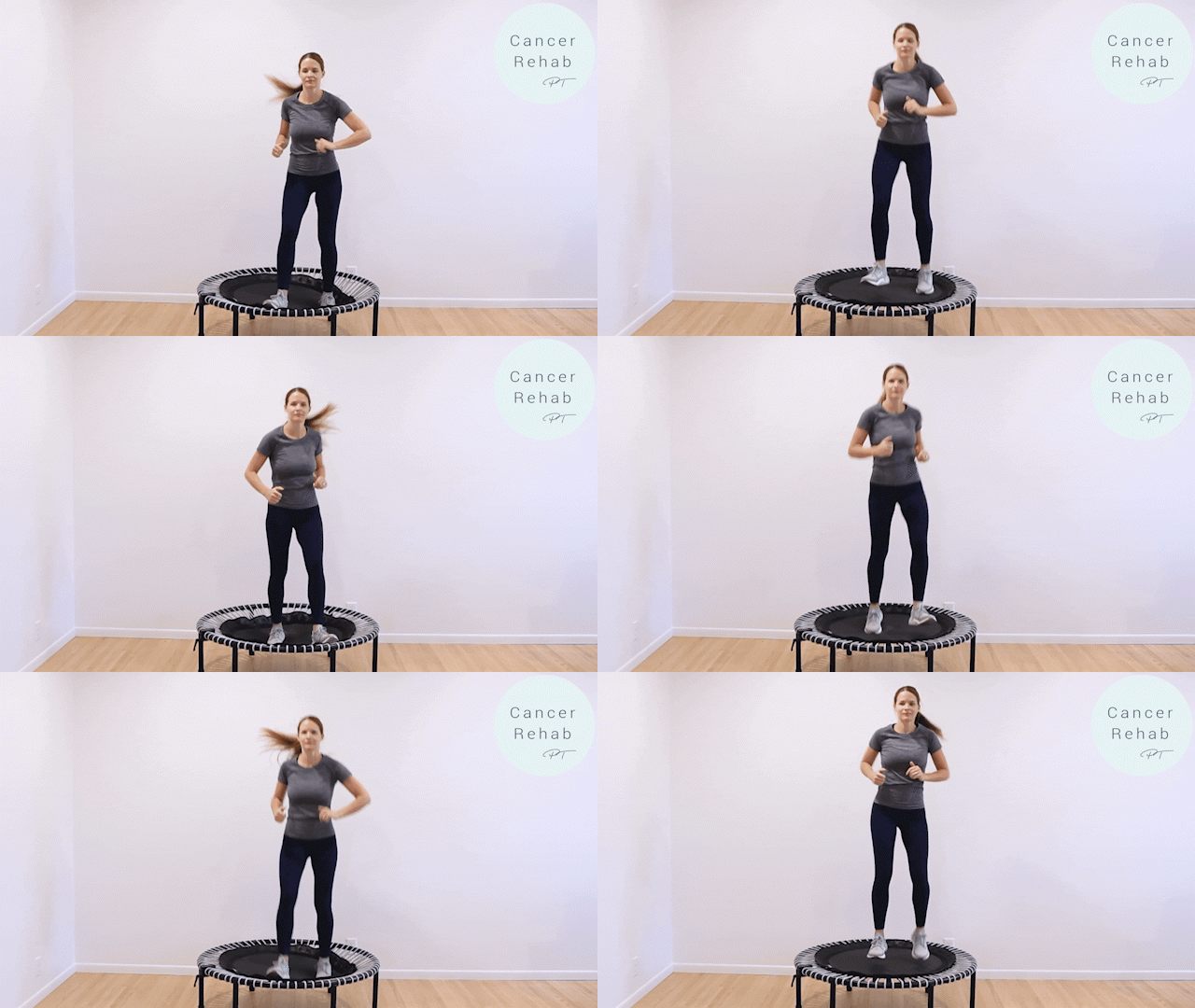
Tap your heels out in front of you, one at a time. Keep bouncing gently. This is a good cool-down rebounder exercise!
Beginner Rebounder Workout
If you’re new to rebounding, take it slow.
Start with basic walking and gentle bouncing. Focus on keeping your balance. You might want to begin with just 5-10 minutes. You can do more as you get comfortable with the movement. It’s better to start slow and stay safe.
Any movement, even for just a few minutes per day, is beneficial to your lymphatic system. So don’t try to do too much too fast!
You can get started with this beginner rebounder workout.
How Many Minutes a Day Should You Rebound?
Start with 5-10 minutes a day, or whatever feels right for you. You can slowly add more time as your body gets used to it. Some people work up to 20-30 minutes per session.
The most important thing is to listen to your body and stay consistent.
What Is the Best Trampoline for a Rebounder Workout?
As a physical therapist and lymphatic specialist (CLT-LANA), I’ve tested many rebounders in my practice. Here are my favorite rebounders for home.

BCAN Foldable Mini Trampoline (Bungee Version)
⭐⭐⭐⭐⭐
Best Middle-Ground Option
Best for: Most people who want quality without the premium price
💲 Price Range: $80-120
Why I recommend it: This is my go-to recommendation for most people who want a solid rebounder without spending $400+. The bungee cords buffer up to 85% of vibrations, which makes it much gentler on your joints than spring models. It’s also quieter, folds down to about 20% of its full size for easy storage, and has a higher weight capacity (450-550 lbs) than many other rebounders in this price range. The bungee cords will need replacement after 2-3 years of regular use, but the bounce quality is smooth. You can use it for both gentle lymphatic drainage and strength training movements.

Bellicon Premium Rebounder
⭐⭐⭐⭐⭐
Best Premium Investment
Best for: Anyone who wants the highest quality and smoothest bounce possible
💲 Price Range: $500-800+
Why I recommend it: The Bellicon is the best rebounder on the market if you’re willing to invest in top-tier quality. The premium bungee cord system creates the smoothest, most joint-friendly bounce I’ve tested. The bungee cords stretch up to twice their resting length, which gives you an incredibly gentle landing that’s perfect if you have joint pain. You can customize the bungee strength based on your weight and bounce preference, and the frame comes with a lifetime warranty. It’s also very quiet. The main downside is the price. Also, some people who want a firmer bounce for fitness training find that it feels too soft.

BCAN Foldable Mini Trampoline (Spring Version)
⭐⭐⭐⭐⭐
Best Budget-Friendly Starter
Best for: Beginners who want an affordable rebounder and don’t mind some noise
💲 Price Range: $60-90
Why I recommend it: This is the most affordable rebounder I regularly recommend! It’s a solid starting point if you want to try rebounding without making a big investment. The steel spring system gives you the classic trampoline bounce. It folds for storage and comes in 40″ or 48″ frame options. The main downsides are noise (springs are louder than bungees and can squeak over time) and a firmer bounce that may feel too jarring if you have sensitive joints. But if you’re younger, prefer a firmer bounce for cardio workouts, or just want to see if rebounding is for you before spending more, this is a good choice.

JumpSport 230 Essential Fitness Trampoline
⭐⭐⭐⭐⭐
Best American-Made Quality
Best for: Anyone who values reliable construction
💲 Price Range: $200-300
Why I recommend it: JumpSport has been making trampolines for decades. The 230 model is their entry-level fitness trampoline, but it’s still built to professional standards with a lifetime warranty on the frame. It uses 30 EnduroLast elastic cords (their proprietary bungee system) and has patented arched legs that create a stable platform. It comes mostly pre-assembled and is made in the USA with excellent customer service. The main downsides are a lower weight capacity (250 lbs), non-adjustable cords (so you can’t customize the bounce firmness), and a smaller bounce surface that may feel restrictive if you’re taller.

Leaps and Rebounds Fitness Rebounder (Mini Trampoline)
⭐⭐⭐⭐⭐
Best Mid-Range Option
Best for: Anyone who wants solid performance without premium pricing
💲 Price Range: $100-150
Why I recommend it: This rebounder sits between budget and premium options. It has better stability and build quality than basic models without the high cost of a Bellicon. Its dual-spring system with safety padding is firmer than pure bungee systems but gentler than traditional metal springs. The 40″ frame has reinforced construction, and it includes an adjustable handlebar (which many other models sell separately). It works well for both lymphatic drainage and more energetic cardio workouts.
FAQs
Does Rebounding Exercise Really Work?
Yes! Rebounding has many benefits. Studies have shown that bouncing on a mini trampoline is 68% more efficient than running because it uses less energy and puts less stress on your joints and cardiovascular system. Rebounding also helps move lymph fluid through your body.
Regular rebounding can improve your balance, strengthen your muscles, boost your cardiovascular health, and help maintain bone density. Many people I recommend rebounding to report feeling more energized and notice improvements in their overall fitness.
Is Rebounding Good for Losing Weight?
Regular rebounder workouts can be a great tool for weight management. Rebounding helps you burn calories while being much gentler on your joints than running or high-impact exercises. Many people also find rebounding to be more enjoyable than traditional cardio exercises, which means they’re more likely to stick with it as part of their regular routine.
Should You Wear Shoes on a Rebounder?
You can rebound either barefoot or wearing shoes. Both options have their benefits! If you choose to wear shoes, pick ones with good support and avoid thick soles that might make it harder to feel the trampoline surface. If you prefer going barefoot, this can help you better feel the trampoline surface and improve your balance. Some people find that rebounding barefoot gives them a better connection to their movement. Ultimately, it’s about your personal preference and comfort.
Is Rebounding Better Than Walking?
Both rebounding and walking are great forms of exercise. Rebounding has a special advantage when it comes to lymphatic health because of the up-and-down motion. This motion creates a pumping effect that helps move lymph fluid through your body more effectively. At the same time, walking is great for getting outside and covering distance. You can combine both activities, but rebounding can give you a more intensive workout in less time!
Learn more about the best exercise for lymphatic drainage.
Can I Just Jump on a Rebounder?
Simple bouncing provides some benefits, but following a structured rebounder workout will give you better results. You can start with basic bounces to get comfortable on the rebounder. But once you’re familiar with the mini-trampoline, adding different movements will work more muscle groups and have more benefits for your lymphatic system.
What Are the Cons of Rebounding?
Like any form of exercise, rebounding isn’t perfect for everyone. Some people might feel dizzy when they first start, especially if they have inner ear issues or balance problems. Some people might also need to avoid rebounding due to certain health conditions like severe back problems or recent surgery.
You also need enough ceiling height to bounce comfortably, and you should always check your rebounder for wear and tear. Always check with your healthcare provider before starting any new exercise routine.
How Long Should I Rebound for Lymphatic Drainage?
You should aim to rebound for at least 10-15 minutes each session. This gives your body enough time to create the pumping effect that helps move lymph fluid. You don’t need to bounce vigorously. Gentle, consistent movement works well for lymphatic health. You can also do two or three shorter sessions throughout the day rather than one longer session. But ultimately, even a few minutes of gentle bouncing a couple of times a day can help support your lymphatic health!
Is Rebounding Good for Over 50?
Rebounding can be a great exercise choice for many people over 50. It’s low impact, which makes it easier on your joints compared to activities like running or jumping on hard surfaces. Regular rebounding can help maintain bone density, improve muscle strength, and support lymphatic and cardiovascular health. It’s also great for improving balance, which becomes increasingly important as we age. You can get a rebounder trampoline with a stability bar for extra security.
Get More Lymphatic Drainage Support
Regular rebounding exercise is a great way to support your lymphatic system. It takes just 10-15 minutes, and you can do it while watching TV or listening to music.
If you want to add rebounding to your routine, start with one of my recommended rebounders:


If you want more guidance on supporting your lymphatic system, join my Lymph Reset 21: FREE 3-Week Lymphatic Drainage Program to learn how to reduce swelling and improve lymph flow at home!