

If you’ve noticed swelling, tightness, or a heavy feeling in your breast after cancer treatment, breast lymphedema may be the reason. It’s a condition many people haven’t heard of, even though it’s fairly common after breast cancer surgery or radiation.
As an oncology physical therapist and certified lymphedema therapist (CLT-LANA), I help patients recognize it early and manage it well, and this post will walk you through the symptoms and what you can do about them.
Can You Get Lymphedema in Your Breast?
Yes, you can.
Lymphedema is more common in legs and arms, but the breast has its own network of lymphatic vessels, and when that network is disrupted, fluid can build up there too.
After breast cancer treatment, breast lymphedema often gets overlooked because it’s less familiar than arm swelling. However, it’s possible to get lymphedema just in your breast. Arm and breast lymphedema can also develop together.
Learn more about lymphedema after breast cancer.

What Is Breast Lymphedema?
Breast lymphedema is chronic swelling in the breast or chest that develops when lymph fluid can’t drain the way it should. It happens when the lymphatic system in that area is damaged or blocked, causing the fluid to collect in the breast tissue.
Breast lymphedema is usually classified as secondary lymphedema, meaning it’s caused by something that damaged the lymphatic system rather than a problem you were born with.
In the case of the breast, that “something” is most often breast cancer treatment.
Surgery that removes lymph nodes from the armpit can interrupt the drainage pathways the breast relies on, and radiation therapy can damage lymph nodes and vessels, scarring the tissue and raising your risk further. Infection or trauma to the area can also overwhelm the lymphatic pathways that remain.
Not all breast cancer survivors develop lymphedema after treatment. One of the biggest risk factors is how many lymph nodes were damaged or removed during surgery or radiation therapy.
According to Breastcancer.org, between 5% and 17% of people who have a sentinel node biopsy, where only a few nodes are removed, go on to develop lymphedema, while that figure climbs to between 20% and 53% for those who have a fuller axillary node dissection.
Radiation on top of surgery adds to the risk as well.
Breast Lymphedema Symptoms
Breast lymphedema happens when protein-rich lymph fluid builds up abnormally in the breast tissue, and that buildup can cause a few different symptoms:
- Swelling in all or part of the breast, sometimes making it look larger than the other side
- A feeling of heaviness or fullness in the breast or chest
- Tightness or a sensation that your skin is stretched
- Skin changes, such as areas that look dimpled, thickened, or textured like an orange peel
- Pain or tenderness in the breast (tends to appear in more advanced cases)
- Limited movement or discomfort when you raise your arm or move your chest
Lymphedema symptoms can be subtle at first, and it’s common for the swelling to come and go.
If you’re starting to notice any symptoms, it’s important to get an early diagnosis because early lymphedema stages are a lot more manageable.
Learn more about lymphedema in men after breast cancer treatment and what symptoms to watch out for.
What does breast lymphedema pain feel like?
When breast lymphedema is painful, the pain is often an aching, heavy, or full feeling rather than a sharp pain. The breast may feel sore or tender to the touch, and the skin can feel tight, almost like there’s too much pressure building inside.
In the earlier stages, many people don’t have much pain at all, just a sense of heaviness or fullness. Discomfort tends to become more noticeable as swelling increases.
What does lymphedema in the breast look like?
Visually, breast swelling can make one breast look fuller or larger than the other. You might notice that the skin looks stretched, shiny, or puffy compared to before.
Another telling sign is a change in skin texture. When fluid collects in the tissue, the surface can start to look dimpled or pitted, a pattern often described as resembling an orange peel.
You may also see indentation marks left behind by your bra, seams, or clothing that press into the swollen tissue more than they used to.
How Serious Is Lymphedema in the Breast?
Breast lymphedema is a chronic condition, which means that it needs ongoing management.
However, when it’s caught early and treated well, most people keep their symptoms under good control and feel comfortable day to day.
Left unmanaged, lymphedema will progress. Swelling will continue to get worse over time, and the risk of serious infections like cellulitis goes up. Ongoing swelling and discomfort can wear on your quality of life and eventually make even simple daily activities difficult.
This is why it’s important to treat lymphedema as soon as possible.
Treatment for Breast Lymphedema
The main treatment for breast lymphedema is Complete Decongestive Therapy (CDT), combined with lymphedema self-care you carry out at home. Together, these bring swelling down and keep it managed over the long term.
Complete Decongestive Therapy (CDT)
Complete decongestive therapy, or CDT, is considered the gold standard for treating lymphedema.
It’s a hands-on program guided by a certified lymphedema therapist, and it usually runs across 15 to 30 sessions over about four to six weeks, followed by a maintenance phase you continue on your own.
CDT combines a few different components:
- Manual lymphatic drainage, a specialized, gentle massage that guides trapped fluid toward areas where your lymphatic system can drain it
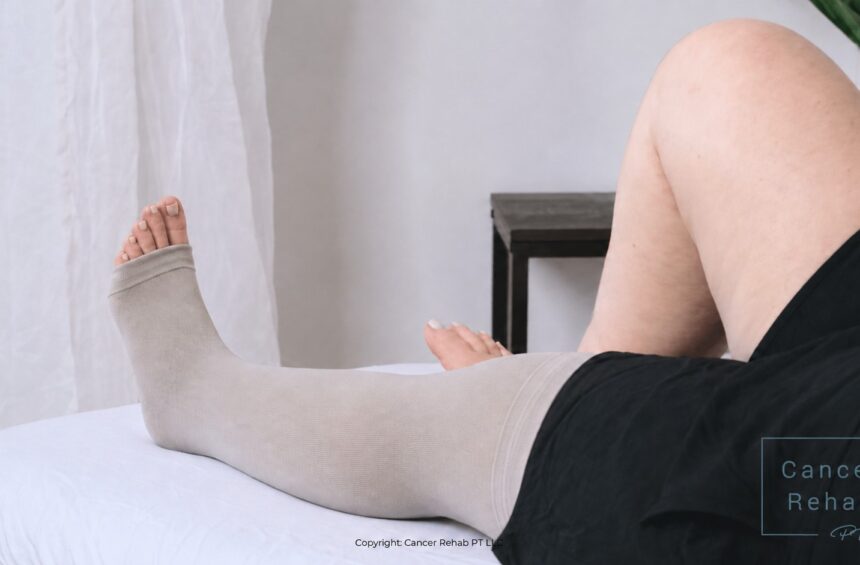
- Compression therapy using garments or specialized padding to keep fluid from collecting back in the breast tissue
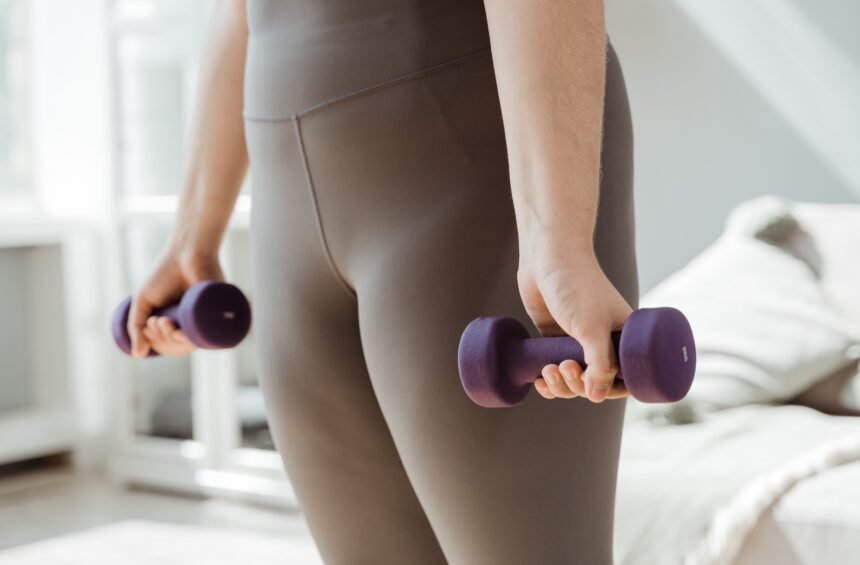
- Physical exercises that use muscle movement to help pump lymph fluid through the body
- Skin care, which is essential for keeping the skin healthy and lowering your risk of infections like cellulitis
The first phase focuses on reducing the swelling as much as possible.
Once your therapist has helped you get there, the maintenance phase helps you keep visible swelling under control and support lymphatic flow with the techniques and habits you’ve learned in CDT.
Breast Lymphedema Self-Care
Lymphedema self-care is what you do to manage your symptoms at home. You’ll tailor your routine to you, but it typically pulls from the same building blocks as CDT, scaled to fit into your normal life.
As a certified lymphedema therapist (CLT-LANA), I typically recommend:
- Doing your own manual lymphatic drainage using techniques your therapist has taught you
- Wearing your compression garment or swell spots as directed throughout the day
- Keeping up with gentle exercises that encourage fluid to move
- Caring for your skin daily by keeping it clean and moisturized, and watching for any signs of infection
- Experimenting with different tools, such as vibration plates, rebounder workouts, and red light therapy, to see if they make a meaningful difference in your lymphedema symptoms
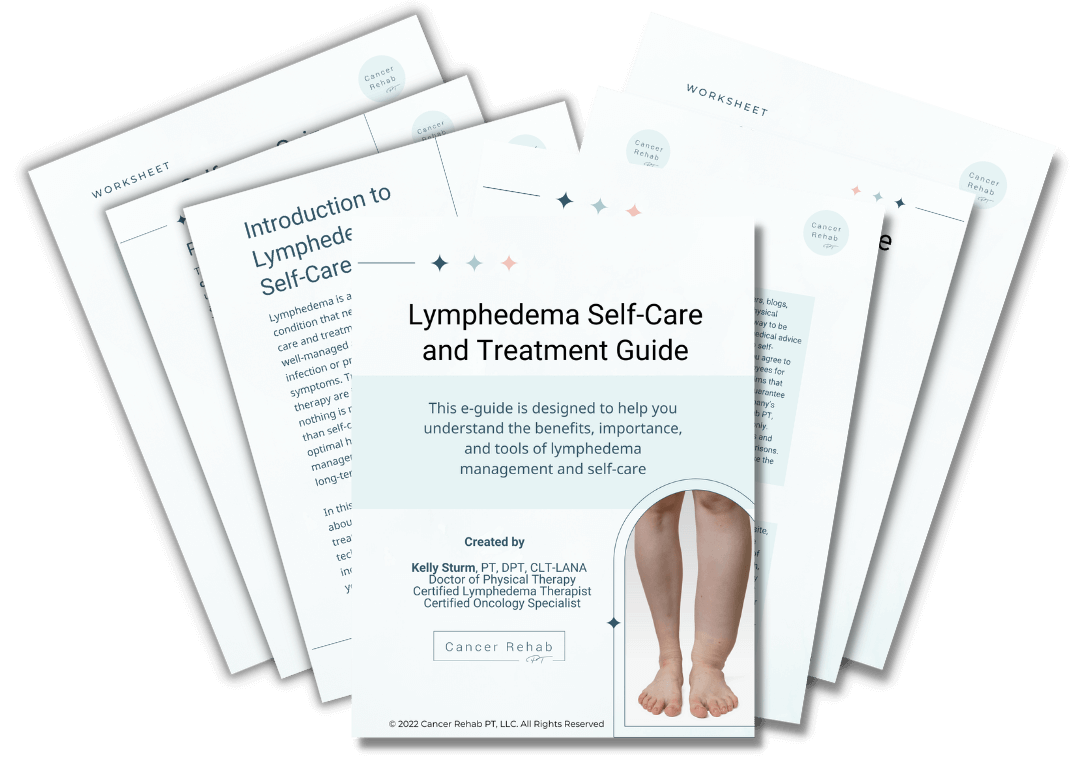
Your goal is to build a simple yet effective lymphedema management routine that you can stick with long-term. If you don’t know where to start, download my FREE guide:
What Exercises Are Good for Breast Lymphedema?
Movement is one of the best things you can do for breast lymphedema.
When you move, your muscles gently contract and act like a pump, and that motion stimulates your body’s natural lymphatic flow to help clear fluid from the area. Exercise also keeps your chest and shoulder from getting stiff, which is common after breast cancer treatment.
The most helpful exercises tend to be focused on the chest, shoulder, and upper back, such as:
- Deep breathing exercises
- Shoulder rolls and gentle arm raises
- Chest and shoulder stretches
- Light range-of-motion movements
At the same time, it’s important to remember that any form of movement is beneficial for your lymphatic system. Walking, swimming, and doing at-home workouts can all be part of lymphedema treatment.
If you don’t know where to start, I have guides with physical therapy exercises for lymphedema:


Compression Garments for Breast Lymphedema
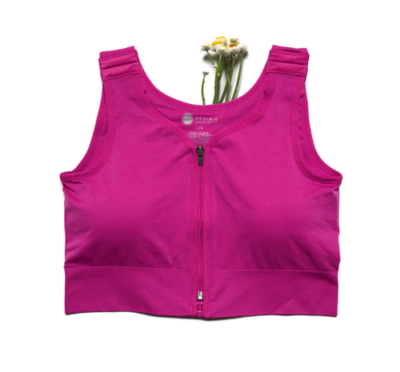
Compression garments are specially designed pieces that apply gentle, even pressure to the breast and chest. That pressure helps keep fluid from pooling in the tissue and encourages it to drain. For breast lymphedema, these usually come as special compression bras or vests.
Here are some of the favorites that I recommend to patients:

Swell Pads for Breast Lymphedema
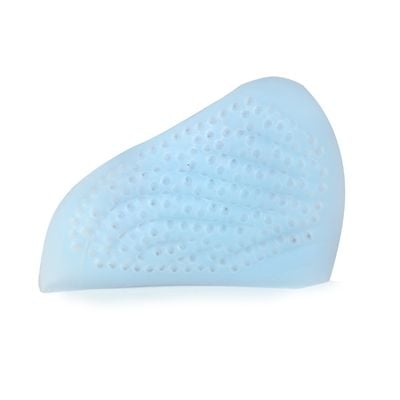
Swell pads are soft foam or padded inserts you tuck into your compression garment or bra. They add a bit of texture and targeted pressure over the swollen area, which helps break up the fluid and encourage it to move, especially in spots where firm tissue or fibrosis has started to build.
They’re a simple, comfortable addition to a compression routine, and many of my patients find that they make their garment more effective. Here are a few of my favorites:

How to Get Rid of Lymphedema in the Breast?
Because breast lymphedema is a chronic condition, you can’t fully get rid of it.
There isn’t a cure that makes it disappear for good. What you can do is manage it well, and consistent lymphedema management can make a big difference in how much swelling you have.
With consistent care through manual lymphatic drainage, compression therapy, movement, and skin care, most people reduce their swelling significantly and keep it under control for the long run.
If you want more support managing lymphedema after breast cancer, learn about Breast Cancer Rehab.
FAQs
Can breast lymphedema come and go?
In the early stages, yes. Breast lymphedema can be intermittent at first, with swelling that flares up and then settles down. It can sometimes get worse after activity, heat, or a long day. As lymphedema progresses, the swelling tends to become more constant.
Can breast lymphedema be cancerous?
No, breast lymphedema isn’t cancerous. Even though breast lymphedema often develops as a side effect from breast cancer treatment, it’s a problem with fluid drainage caused by damage to the lymphatic system. The swelling is fluid, not a tumor.
How to sleep with breast lymphedema?
Many people find that it helps to sleep on their back or on the unaffected side, so you’re not putting direct pressure on the swollen breast. A soft pillow to support the arm and chest on the affected side can also take some strain off.
Your therapist may also recommend a nighttime compression garment or swell spots if swelling tends to build overnight.
What are the early signs of lymphedema after mastectomy?
The earliest signs are often subtle. You might feel a sense of heaviness or fullness in the breast, chest, or nearby arm before you can see swelling in the affected area. Some people notice that their bra or clothing fits more snugly on one side, or that the skin feels slightly tight.
Other early clues include mild, on-and-off swelling and small skin changes in texture.
What kind of doctor treats breast lymphedema?
The specialist who most often treats lymphedema day to day is a certified lymphedema therapist (CLT), which is usually a physical or occupational therapist with specialized training. This is the person who guides you through decongestive therapy and teaches you your self-care routine.
You may also work with your oncologist, surgeon, or a lymphedema-focused physician who oversees your care and rules out other issues. If you’re not sure where to start, ask your cancer care team for a referral to a certified lymphedema therapist.
Learn more about doctors that treat lymphedema.
Is there a way to prevent lymphedema after mastectomy?
There’s no guaranteed way to prevent it, but you can meaningfully lower your risk of lymphedema after a mastectomy (including with sentinel lymph node biopsy and axillary lymph node dissection).
Regular gentle movement keeps your lymphatic system active, and protecting the skin on the affected side helps you avoid infections that can trigger swelling. It’s also important to stay at a healthy body weight, too, since carrying extra weight requires your lymph system to work harder and raises your lymphedema risk.
Just as important is early monitoring. Catching the very first signs and starting care quickly is one of the best things you can do, which is why regular check-ins are recommended for anyone at higher risk.
How do you drain lymphatic fluid from the breast?
The main technique is manual lymphatic drainage, which is a type of self-massage that guides fluid from the congested breast toward nearby areas where healthy lymph nodes can absorb it. The strokes are light and follow a particular direction, since the lymph vessels sit close to the surface of the skin.
I’ve created lymphatic drainage guides that show you how to support lymph flow in your body:


What percentage of breast cancer patients get lymphedema?
It varies quite a bit depending on the treatment. Risk is lower after a sentinel lymph node biopsy, where only a few nodes are removed, with roughly 5% to 17% of people going on to develop lymphedema. It’s higher after an axillary lymph node dissection, where many nodes are taken out, where that figure rises to between 20% and 53%. Radiation adds to the risk on top of surgery.
Is breast lymphedema dangerous?
Breast lymphedema doesn’t put your life in danger, but it requires effective treatment as soon as possible. The main concern is infection, since fluid buildup and a weakened lymphatic system make the area more vulnerable to skin infections like cellulitis, which come on quickly and need prompt treatment.
Beyond that, unmanaged swelling can worsen over time and affect your comfort and quality of life.
Can you get lymphedema years after breast cancer?
Yes. Lymphedema doesn’t always develop right after treatment. It’s most common within the first three years after breast surgery, but it can also appear later, sometimes years down the line, which surprises a lot of people.
Regular monitoring is recommended for anyone at higher risk, so that if swelling does appear, you catch it early and start managing it before it progresses to severe swelling.
Get More Support in Breast Cancer Rehab
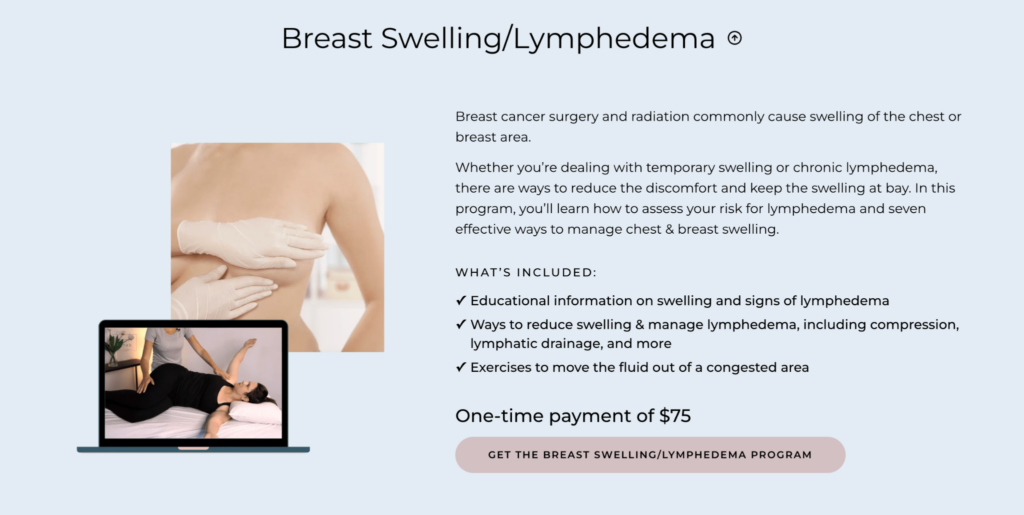
If you’re navigating breast lymphedema or other effects of breast cancer treatment, my Breast Cancer Rehab program gives you practical, guided support from home.
It’s an online, self-paced physical therapy program that teaches you the same education and exercises I use with my patients, at a fraction of the cost of in-person physical therapy.
Get started with Breast Cancer Rehab and start building a routine that helps you feel more in control.