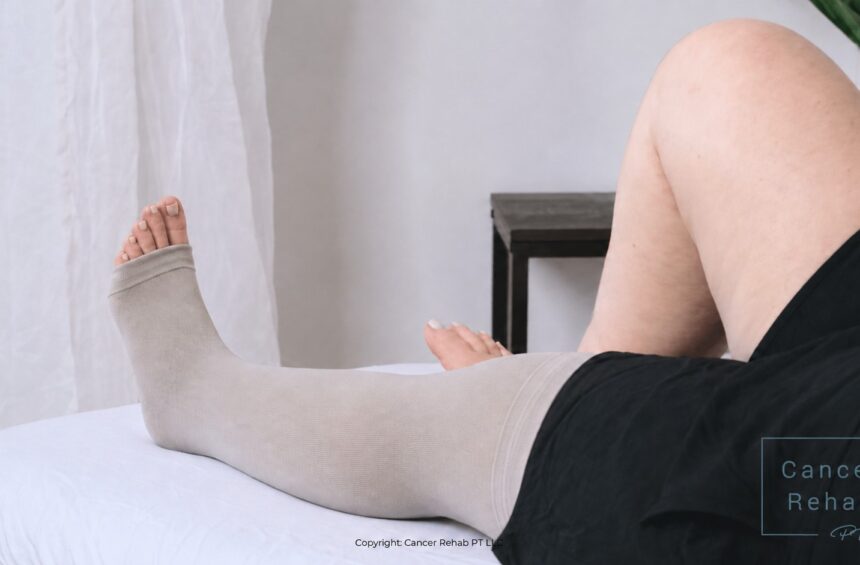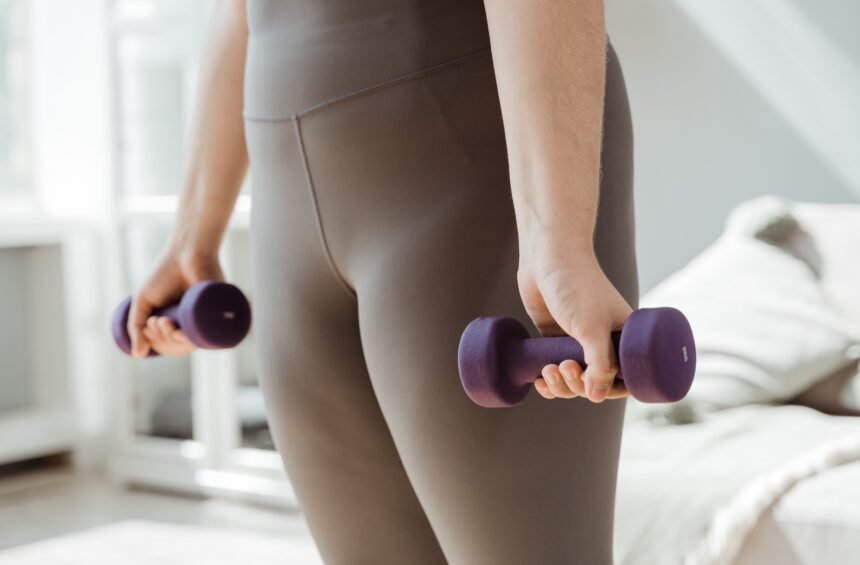


If you’ve been feeling puffy or sluggish, you might be dealing with poor lymphatic drainage. But the best exercises for lymphatic system health can help get things flowing again!
While there’s no single magic exercise for better lymph flow, I’m sharing some of my favorite forms of movement as a physical therapist and lymphatic specialist (CLT-LANA) in this guide. I’ve also included video tutorials and exercise examples to help you get started!
Why Does Exercise Help with Lymphatic Drainage?
Your lymphatic system works like your body’s waste removal service. It collects extra fluid, toxins, and cellular debris from your tissues and moves them out.
Unlike your circulatory system (which has your heart pumping blood around), your lymphatic system doesn’t have a built-in pump. It relies on muscle movement to push lymph fluid through your vessels.
When you move your body, your muscles contract and relax. These muscle contractions squeeze your lymphatic vessels and push fluid along. But without regular movement, lymph fluid tends to sit in your tissues.
As a physical therapist specializing in lymphatics (CLT-LANA), I often see the effects of sluggish lymphatic drainage. Common signs include:
- Swelling in your hands, feet, or ankles
- Brain fog or trouble concentrating
- Getting sick frequently
- Persistent fatigue that doesn’t improve with rest
- Puffiness in your face, especially in the morning
A sedentary lifestyle is one of the main contributors to lymphatic congestion. When you sit for long periods, your muscles aren’t contracting enough to move lymph fluid. The fluid accumulates in your tissues, leading to swelling and that heavy, sluggish feeling.
Exercise is one of the most effective tools I recommend for lymphatic health. You don’t need to train for a marathon or spend hours at the gym! Simple, consistent movement makes a big difference.
Learn more about how to detox your lymphatic system naturally.
Is There ONE Best Exercise for the Lymphatic System?
No! There’s no one single exercise that will magically fix lymphatic drainage issues. Your lymphatic system responds best to regular movement and not one specific workout or type of exercise.
All movement is good movement! That said, some types of exercises are more effective at improving lymphatic flow than others. Let’s take a closer look at them:
5 Best Exercises for the Lymphatic System
Here are some movements to add to your exercise routine that I recommend as a lymphatic specialist and certified lymphedema therapist (CLT-LANA).
1. Mobility Workouts
Mobility workouts activate lymph drainage pathways by moving your joints through their full range of motion. These gentle movements take just 10-15 minutes, require only your body weight, and are easy to do at home!
Try these mobility exercises to support lymphatic drainage:
- Neck rolls: Sit with your shoulders relaxed and slowly roll your head in a circular motion to release tension in your upper chest and neck
- Shoulder rolls: Roll your shoulders forward and back to open up lymphatic pathways in your upper body
- Shoulder blade squeezes: Pull your shoulder blades together while keeping your arms relaxed to activate lymph flow in your upper back
- Hip circles: Stand with feet hip-width apart and rotate your hips in a circular motion to move fluid through your lower body
- Hip openers: Lie flat on the floor with knees bent and gently pull one knee toward your chest for a gentle stretch, then switch to the other leg
- Ankle pumps: Sit with your feet flat on the floor and lift your heels up and slowly lower them back down to pump lymph fluid from your lower legs
- Calf raises: Stand with feet hip-width apart and do heel raises to activate the muscles in your lower legs
You can also try this gentle, full-body workout for lymphatic drainage:
2. Vibration Plate Exercises
A vibration plate is a platform that creates fast mechanical vibrations while you stand or sit on it. These vibrations force your muscles to contract and relax many times per second, which helps move lymph fluid through your vessels better.
Here are some exercises to try on your vibration plate:
- Standing: Simply stand on the plate with feet hip-width apart and knees slightly bent to stimulate lymph flow in your entire body
- Squats: Do gentle squats on the vibration plate to increase muscle activation in your legs and core
- Calf raises: Do heel raises on the platform to target lymphatic drainage in your lower legs
- Seated: Sit on a chair and place your feet flat on the vibration plate to reduce swelling in your ankles and feet
Sessions typically last between 5 and 15 minutes. The vibrations do most of the work, and it’s a great low-impact option for lymphatic support!
If you don’t have a vibration plate yet, here are my recommended brands:


3. Rebounder Exercises
A rebounder is a small trampoline that you can use for low-impact jumping exercises.
The up-and-down movement creates rhythmic muscle contractions that pump lymph fluid through your body. It’s one of my favorite exercises to encourage lymph flow!
Try these exercises on your rebounder:
- Gentle bouncing: Keep your feet on the rebounder and simply bounce up and down without jumping
- Marching: Lift your knees one at a time in a marching motion to activate lymph flow in your legs and hips
- Small jumps: Jump lightly on the rebounder to increase the intensity and move more lymph fluid
- Twists: Gently twist your torso from side to side while bouncing to engage your core and upper body
Even 5-10 minutes of rebounding can help move lymphatic fluid along! If you don’t know where to start, try this simple and fun workout:
If you don’t have a rebounder yet, here are my recommended options:


4. Deep Breathing Exercises
Deep breathing exercises support lymphatic drainage by creating pressure changes in your chest and abdomen. When you breathe deeply, your diaphragm moves up and down, which helps move lymph fluid.
Here’s how to do deep breathing for lymphatic support:
- Sit or lie down in a comfortable position
- Place one hand on your upper chest and the other on your belly to feel the movement
- Breathe in slowly through your nose, letting your belly expand
- Hold your breath for a moment
- Breathe out slowly through your mouth
- Repeat this for 5-10 minutes, focusing on slow and controlled breaths
You can do deep breathing exercises anywhere! I recommend doing them in the morning when you wake up or before bed to support overnight lymphatic drainage.
5. Physical Therapy Exercises
If you struggle with swelling in certain parts of your body (like your legs or arms), you can try targeted physical therapy exercises that I created for different areas:


These exercises teach you movements that follow your lymphatic drainage pathways.
They work well if you’re dealing with a chronic swelling or looking for ways to manage lymphedema, or just for your general wellness routine!
Other Exercises to Improve Lymphatic Flow
All movement is great for your lymphatic system, but low-impact exercises are especially helpful. Here are more general exercises that support lymphatic drainage:
- Walking
- Swimming
- Yoga
- Cycling
- Tai chi
- Pilates
You don’t need to do all of these exercises. Just pick one or two that you enjoy and can do regularly because consistency is the most important thing for your lymphatic drainage routine!
How Often Should You Do Exercises to Reduce Swelling?
Your goal is to be active most days, but that can look different depending on the day.
For example, you might go for a walk one day, do a rebounder workout another day, and run through a mobility routine the next. Instead of repeating the same exercise program every day, just try to do some kind of physical activity on a regular basis.
I recommend aiming for around 30 minutes of activity most days, but even 15-20 minutes makes a big positive difference. If this feels like too much, just start building a realistic routine that you can stick to!
FAQs
How do I know if my lymphatic system is clogged?
Common signs of a sluggish lymphatic system include swelling in your hands, feet, ankles, or face. You might also experience brain fog, fatigue, or stiff joints when you wake up. If you press on swollen areas and the skin stays indented for a few seconds, that’s another sign that lymph fluid is accumulating in your tissues. That said, even if your lymphatic system isn’t severely clogged, it’s still important to support it.
Should I do lymphatic exercises in the morning or evening?
It doesn’t matter! Both times have benefits, so choose whatever fits your schedule and feels best for your body. Morning movement can help reduce overnight fluid buildup and give you energy to start your day. In my experience, many people enjoy doing lymphatic exercises in the morning because it helps them feel less puffy and more alert. Evening exercises can help you wind down. You can also switch it up depending on the day.
How long does it take to see results from lymphatic exercises?
Uncomplicated swelling and regular puffiness should go down pretty quickly once you start moving regularly. However, the swelling will come back if you stop being active. Exercise isn’t a permanent fix for lymphatic congestion. You need to stay regularly active to maintain the results. Lymphatic exercises are like brushing your teeth. You need to do them consistently to prevent problems, not just once or twice!
Start Building Your Lymphatic Exercise Routine
If you want to start regularly supporting your lymphatic system, here are my favorite tools to get started:
You can also join my Lymph Reset 21: FREE 3-Week Lymphatic Drainage Program to learn simple, effective strategies for reducing swelling and improving lymphatic flow!