

If you’ve been told to wear compression socks for lymphedema, you probably have questions about how they work. Can you sleep in them? How do you get them on when they’re so snug? How many hours a day do you really need them? As a physical therapist and certified lymphatic specialist (CLT-LANA), I answer these questions with my patients all the time.
In this post, I’ll explain how compression socks help with lymphedema swelling, which ones I recommend, and how to fit them into a routine you can stick with.
What Is Lymphedema?
Lymphedema is swelling that happens when lymphatic fluid builds up in the tissue instead of draining the way it should. It often develops in the legs or feet after cancer treatment, surgery, an injury, or damage to the lymphatic system.
Along with swelling, you might notice heaviness, tightness, or skin that feels firmer than usual in the affected area. Lymphedema is a chronic condition, so the goal is to manage it well and keep the swelling under control day to day.
Compression therapy is one of the most effective ways to do that, and compression socks are a big part of it. They give your lymphatic system the outside support to keep fluid moving.
What Are Compression Socks for Lymphedema?
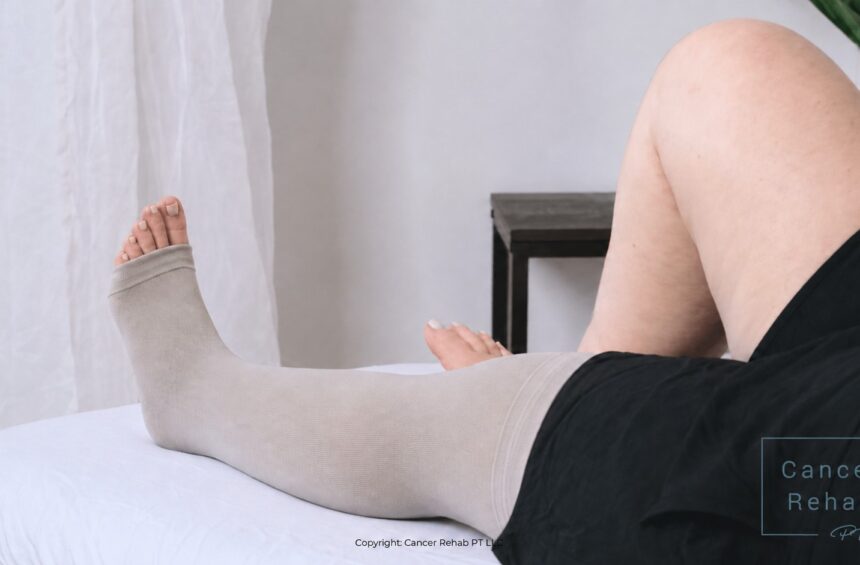
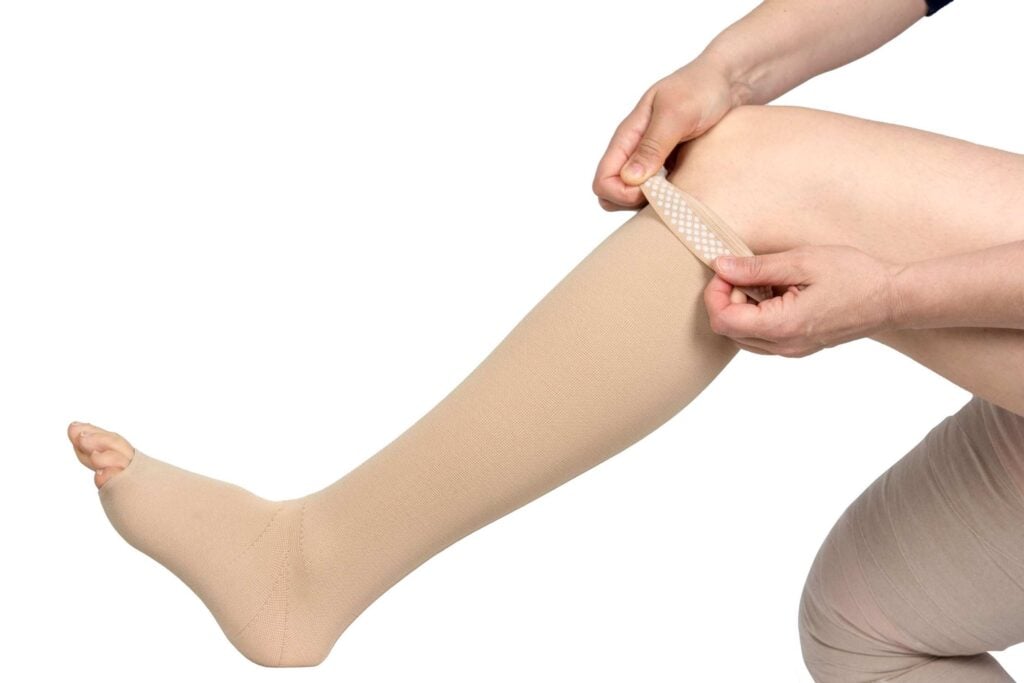
Compression socks are snug-fitting garments that apply gentle, steady pressure to your legs and feet. Most use what’s called graduated compression, meaning the pressure is firmest at the ankle and eases as it moves up your leg. This design encourages fluid to move upward and out of the swollen area.
The strength of that pressure is measured in millimeters of mercury, or mmHg. Lighter compression works for mild swelling, but lymphedema usually calls for a firmer level, often 20 to 30 mmHg. Medical-grade socks at these higher levels typically require a prescription from a medical professional.
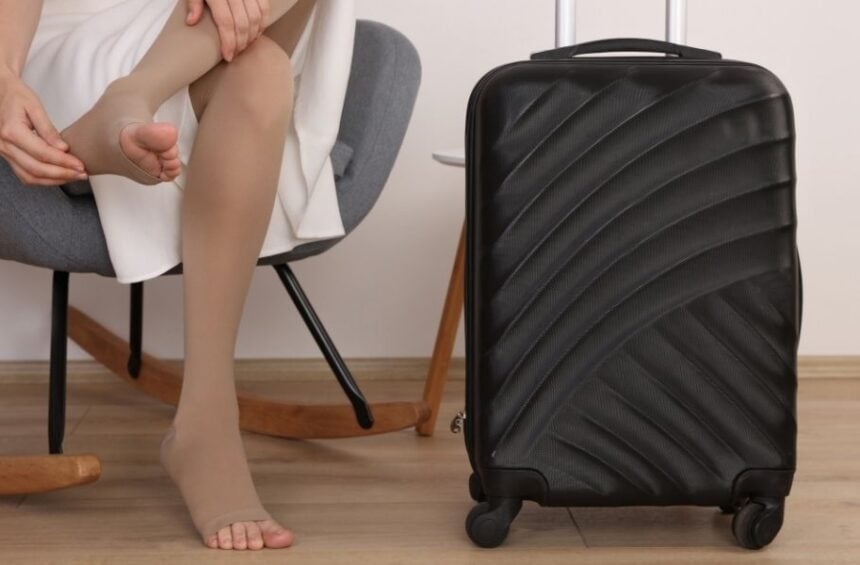
Compression socks also come in different styles, from knee-highs to footless anklets.
Do Compression Socks Work for Lymphedema?
Yes. Compression socks are a well-established part of lymphedema management and one of the most reliable tools for keeping swelling down. Lots of research backs this up.
The steady pressure gently squeezes your leg and helps push fluid out of the tissue so your body can drain it away. Wearing compression socks regularly also helps keep swelling from building back up, and many of my patients find that their skin feels softer and their leg looks less swollen over time.
What Are the Best Compression Socks for Lymphedema?
Over the years, I’ve had patients try all kinds of compression garments. Below are the socks and stockings I often recommend, most in the firm 20-30 mmHg range that works well for most lymphedema (except where noted), with a couple of foot-and-ankle pieces for targeted swelling.
As always, check with your therapist or doctor about the right compression level for you.

Ames Walker Coolmax Knee High Socks
⭐⭐⭐⭐⭐
Best Breathable Everyday Socks
Best for: All-day wear when you want firm compression that stays cool and dry
Compression: 20-30 mmHg
💲 Price Range: $20-40
Why I recommend them: These are a great everyday option for anyone who runs warm or spends long days on their feet. The Coolmax fabric wicks moisture away, so your feet stay dry, which helps protect your skin over a full day of wear. They’re made in the USA with a durable knit, and the wide top band feels comfortable without digging in. For firm compression at a friendly price, these are hard to beat!

Mediven Comfort Knee Highs
⭐⭐⭐⭐⭐
Best High-Quality Compression Socks
Best for: People who want premium compression with comfort and temperature control
Compression: 20-30 mmHg
💲 Price Range: $35-85
Why I recommend them: These are the socks I point my patients toward when they’re ready to invest in top-tier quality. The Clima-Comfort technology regulates temperature, so your legs don’t overheat in summer or feel clammy in winter, and the ClimaFresh finish helps with odor. Thanks to the 3D knitting, they’re also easier to get on and off than many other firm compression socks. They’re soft, breathable, and hold up well over time.

CirdAid Comfort Compression Anklet
⭐⭐⭐⭐⭐
Best Lightweight Anklet
Best for: Light foot and ankle coverage (often layered with a compression legging)
Compression: Light
💲 Price Range: $20-30
Why I recommend them: Swelling around the foot and ankle can be tricky, and this anklet is a handy piece for that spot. It gives light, comfortable coverage and works well layered under a sock or paired with a CircAid legging or ankle-foot wrap. Some of my patients use one to keep an open-toe stocking from bunching. The soft fabric slides on easily, which is a plus, too.

Juzo Compression Anklet
⭐⭐⭐⭐⭐
Best Firm-Compression Anklet
Best for: Firm, targeted compression on the foot when you don’t need full stockings
Compression: 20-30 mmHg
💲 Price Range: $15-25
Why I recommend them: When you have swelling in your foot, this open-toe foot piece is great for firm compression. The seamless, two-way-stretch design slides on smoothly and stays put without rolling, and the open toe keeps your toes free. It’s unisex and budget-friendly, and it pairs nicely with a knee-high when you want extra support at the foot. It’s a simple and effective piece for your toolbox.

L&R ExoStrong Knee High Open Toe
⭐⭐⭐⭐⭐
Best Flat-Knit for Lymphedema
Compression: 20-30 mmHg
💲 Price Range: $80-105
Why I recommend them: This is a flat-knit garment, which is a category I reach for often with lymphedema. A softer circular-knit sock can slip into skin folds, but flat knit holds its shape and gives you firm containment. The silicone top band keeps it from sliding down, and the heel seam helps you get it on correctly. It comes ready-to-wear at a fraction of the cost of a custom flat-knit garment, which makes consistent daily wear a lot more doable in my experience.

Jobst Relief Knee Highs
⭐⭐⭐⭐⭐
Best Value for Everyday Edema
Best for: Straightforward, affordable compression for moderate swelling
Compression: 20-30 mmHg
💲 Price Range: $40-60
Why I recommend them: This is my dependable go-to for patients who want effective compression without a lot of extras. What I appreciate most is how easy they are to get on, which means that you’ll be more likely to continue wearing your socks long-term. The closed toe is roomy, and the unisex design suits just about everyone. They now come in a petite size too, which helps with a proper fit for shorter legs.

Juzo Soft Knee High Stockings
⭐⭐⭐⭐⭐
Best for Everyday Comfort
Best for: Anyone who wants the softest possible feel for daily wear
Compression: 15-20 mmHg
💲 Price Range: $40-70
Why I recommend them: I wore these during my own pregnancy and liked them enough to buy a pair for a family member after their vein surgery. They’re the softest compression stockings I’ve tried, and the silicone band keeps them in place through the day. They’re also machine washable and can go in the dryer on low, which makes them easy to live with. At 15-20 mmHg, this is a lighter level, so they suit milder swelling or early support. For firmer lymphedema needs, one of the 20-30 mmHg options above may be a better fit.
How Long to Wear Compression Socks for Lymphedema?
So, how many hours a day should you wear compression socks for lymphedema? For most people, the answer is all day, every day. You put them on in the morning, and you take them off at night before bed. You’ll take them off when you shower.
Because lymphedema is a chronic condition, consistency is important to make compression work.
Swelling tends to worsen when you’re upright and moving around, so daytime is when your legs need the support most. At night, lying down helps fluid drain on its own, which is why regular compression socks usually come off for sleep.
Some people do benefit from compression overnight, but that calls for special nighttime garments, not your daytime socks. Your lymphedema specialist or doctor will let you know if that applies to you.
Here are my favorite nighttime compression garments to control swelling:


Learn more about how long you should wear compression socks.
Other Ways to Manage Lymphedema
Compression socks are just one tool in your lymphedema toolbox, and they work best alongside a few others. Here are some of the other tools I share with my patients to treat lymphedema:
- Gentle exercise and movement, since your muscles act as a pump that helps push lymph fluid through your body
- Manual lymphatic drainage, a light massage technique that guides fluid toward areas where your system can process it
- Deep breathing exercises, which use your diaphragm as a natural pump to help move fluid and reduce swelling
- Vibration plates, where standing on a gently vibrating platform activates your muscles and encourages lymph and blood flow with very little effort
- Rebounder workouts, a soft bouncing on a mini-trampoline that many patients enjoy for keeping their lymphatic system active
- Diligent skin care, keeping your sensitive skin clean and moisturized to lower the risk of infection in the affected limb
No single tool is the whole answer, and what helps one person most may not be the same for you. The best thing you can do is try a few of these, pay attention to how your body responds, and keep the ones that make you feel better.
From there, build them into a simple daily routine you can stay consistent with. If you want guided help putting a lymphedema self-care routine together, here are a few of my resources:


FAQs
When should you NOT wear a compression sock?
There are a few times to hold off.
If you have signs of a skin infection, an open wound, or new pain, redness, or warmth in the leg, take the socks off and check with your doctor before wearing them again. Compression can also be unsafe for certain conditions, like some types of poor arterial circulation or untreated blood clots, which is why medical-grade compression is something that you need a prescription for.
You’ll also want to remove your socks if they ever cause numbness, tingling, or deep marks that don’t fade, since that usually points to a fit or sizing problem. When in doubt, check with your provider.
Where does fluid go when wearing compression socks?
The pressure from the sock helps move the protein-rich fluid up and out of your leg, to the areas of your body where healthy lymph nodes and vessels can pick it up and process it. From there, your lymphatic system filters the fluid and eventually returns it to your bloodstream, where your body clears it normally.
Should you elevate your legs while wearing compression socks?
You can, and it’s a nice way to give your compression a boost. Elevating your legs uses gravity to help fluid drain back toward your body, so pairing it with your socks can be extra helpful at the end of a long day. Just prop your legs up above the level of your heart for a bit while you rest.
That said, you don’t have to keep your legs up all day to get the benefit of compression. The socks do their work while you’re upright and moving. Elevation is just a helpful, optional addition.
Learn More in Lower Body Lymphedema Rehab
If you’re managing leg or foot lymphedema and want more guidance, you can find in-depth education, exercises, and tools to manage swelling in my program, Lower Body Lymphedema Rehab.
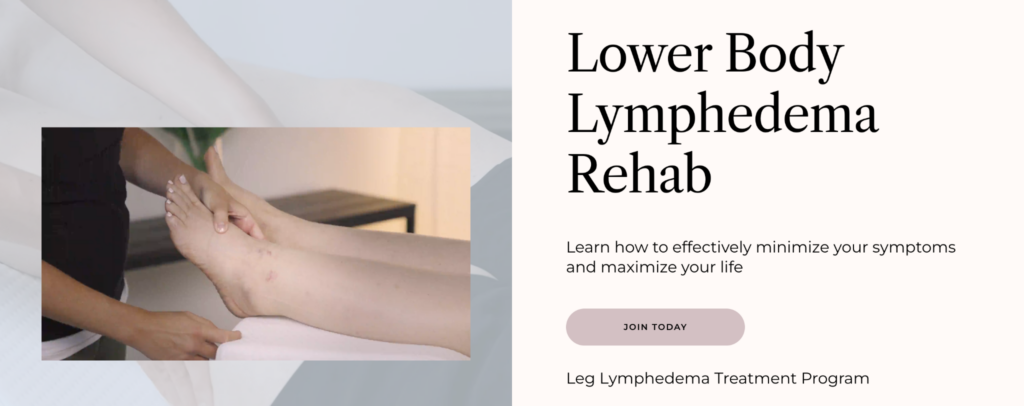
Inside, I walk you through manual lymphatic drainage techniques, a bandaging routine, compression therapy for day and night, lymphedema exercises, deep breathing, skin care, and many other parts of effective, at-home lymphedema management.
It comes at a fraction of the cost of in-person physical therapy, with unlimited access so you can revisit the material whenever you need it.
Learn more about Lower Body Lymphedema Rehab!