

Swelling in the ankles that worsens in the afternoon and evening compared to the morning is extremely common.
As a certified lymphedema therapist (CLT-LANA) and oncology physical therapist, I’ll walk you through what causes ankle swelling, how to treat it at home, and when it’s time to call your doctor.
What Causes Swollen Ankles?
Swelling in the ankles, feet, and lower legs happens when fluid builds up in the surrounding tissues. The medical term for this is edema. There are a handful of reasons edema occurs, ranging from standing for long periods of time to more serious conditions that need medical care.
Gravity and Prolonged Sitting or Standing
This is one of the most common causes of ankle swelling. Your legs and feet are the furthest points from your heart, which means fluid has to work against gravity all day to return through your veins and lymphatic system.
When you sit or stand for long periods without moving, fluid pools in the lower legs and ankles. Most people notice their ankles are fairly flat in the morning and gradually swell as the day goes on. This pattern is a strong sign that gravity is the primary reason for the swelling.
Chronic Venous Insufficiency (CVI)
The veins in your legs have small valves that keep blood moving back up toward the heart. When those valves weaken or stop functioning properly, blood pools in the lower legs and causes swelling.
Chronic venous insufficiency is one of the most common causes of daily ankle swelling, particularly as people get older. You might also notice varicose veins, skin discoloration, or a heavy aching feeling in your legs by the end of the day.
Lymphedema After Cancer Treatment
Lymphedema is a condition where the lymphatic system cannot keep up with fluid drainage in a limb, causing swelling that builds over time. It tends to be progressive if not managed.
Lymphedema is common after cancer treatment, particularly when lymph nodes have been removed or treated with radiation. If you’ve had cancer and you’re noticing swelling in your lower legs, feet, or ankles, let your care team know. You can read more about lymphedema treatment here.
Blood Clot (DVT: Deep Vein Thrombosis)
A deep vein thrombosis, or DVT, is a blood clot that forms in one of the deep veins of the leg. DVT typically causes swelling in one leg, not both, along with pain, warmth, or redness along the leg.
If you notice that combination, call your doctor or go to urgent care as soon as possible. DVT can be serious if not treated promptly.
Heart, Kidney, or Liver Disease
When the heart, kidneys, or liver are not functioning properly, the body has a harder time regulating fluid. Swelling in both ankles and legs can be one of the early signs.
If you have a history of heart, kidney, or liver disease and you’re noticing a change in your swelling pattern, that is worth a call to your doctor.
Prescription Medications That Cause Fluid Retention
Certain medications cause fluid retention as a side effect. Blood pressure medications, hormone therapy, antidepressants, and some steroids are among the more common ones. If you started a new medication and noticed increased ankle swelling shortly after, be sure to discuss this with your prescribing provider.
Pregnancy-Related Swelling
Mild ankle and foot swelling during pregnancy is normal, especially in the third trimester. If swelling comes on suddenly, is severe, or is accompanied by headache or changes in vision, contact your OB right away. Those symptoms together can be a sign of preeclampsia.
How to Reduce Ankle Swelling: 4 At-Home Treatments
For most cases of ankle swelling, there are things you can do right now at home to manage the fluid buildup. These are the same protocols I go through with my patients in the clinic.
If you try these consistently for a few weeks and they are not helping, bring that up to your doctor or a certified lymphedema therapist.
Wear the Right Compression Stockings

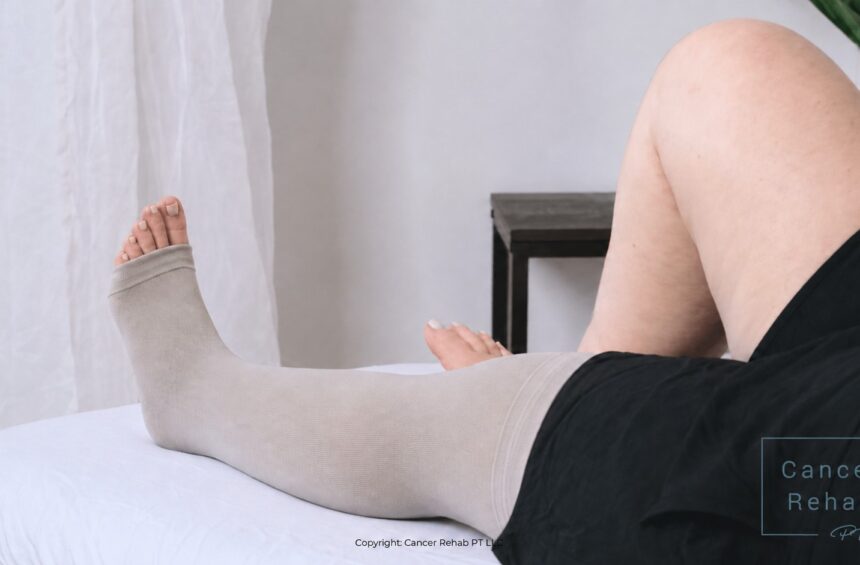
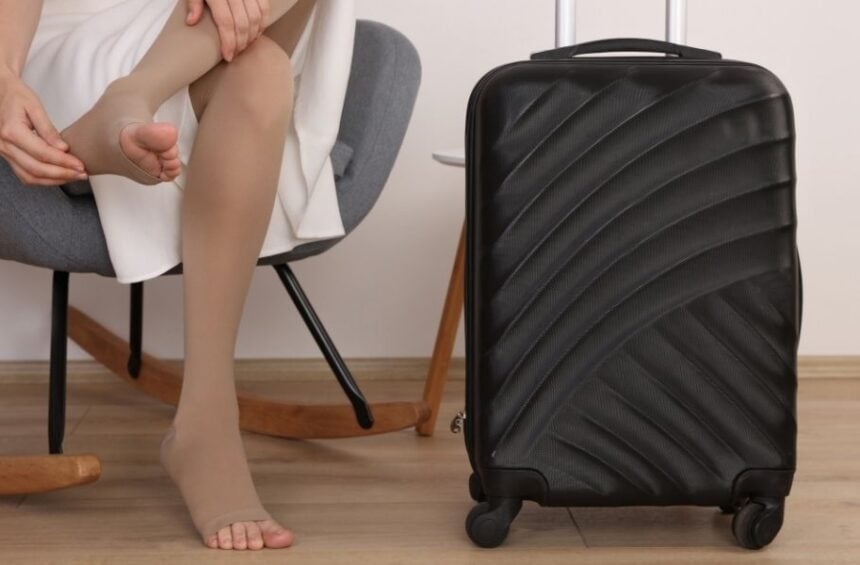
Compression stockings are the most effective everyday tool for managing ankle swelling. They provide graduated pressure that supports the veins and lymphatics and helps fluid move up and out of the lower legs.
For general swelling, you are looking for stockings at 20 to 30 mmHg of compression. That is the medical grade level. Many drugstore options are only 10 to 15 mmHg, which works for very mild occasional swelling but often falls short if you have frequent swelling.
There are two main types of compression stockings to consider:
- Circular-knit stockings are the standard off-the-shelf option. They are thinner, more elastic, and work well for mild to moderate swelling. Most people start here.


- Flat-knit garments are thicker, sturdier, and usually custom-fitted. They are used for diagnosed lymphedema, more significant swelling, or when circular-knit stockings are cutting in and creating a tourniquet effect that makes swelling worse.
Velcro wraps are another option I recommend frequently, especially for anyone who struggles to get compression stockings on and off. They fasten with velcro and are much easier to manage independently.
Practice At-Home Lymphatic Drainage Massage
Lymphatic drainage is a gentle massage technique that guides fluid through the lymphatic vessels and out of areas where it has pooled.
It is especially useful to do before putting on compression stockings in the morning or in the evening when swelling is at its worst. Elevating your legs while doing a lymphatic drainage massage helps, as it allows gravity to naturally pull the pooled fluid toward your torso.
In this blog post, I walk you through step-by-step how to practice lymphatic drainage massage for legs.
Move More Throughout the Day
Your leg muscles act as a pump for both your lymphatic system and veins. Every time they contract, fluid moves up and out.
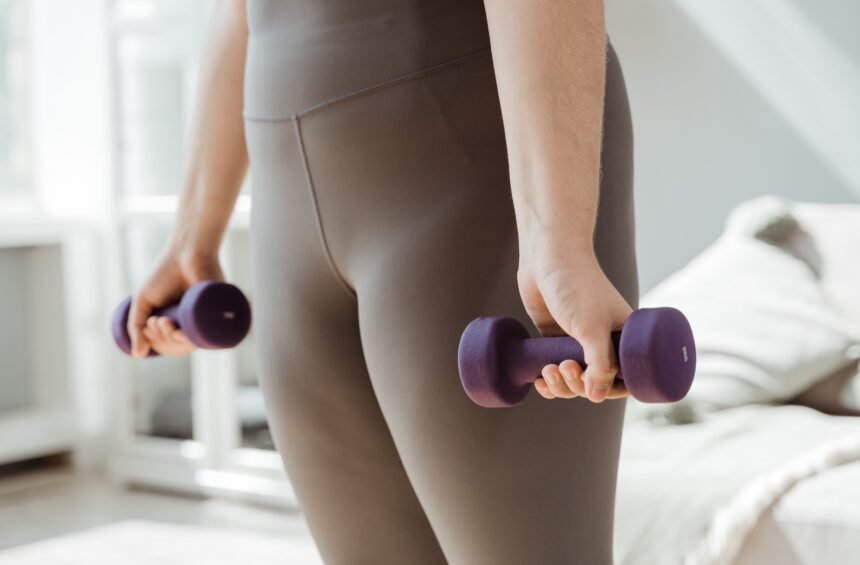
Practice ankle pumps, knee lifts, short walks around the block, and getting up from your desk every hour. All of it counts. Consistent small movement throughout the day keeps lymph fluid and blood circulating continuously, which is far more effective than a single workout followed by hours of sitting.
To learn more about how physical activity activates your circulatory system, read my full breakdown on the best exercises for lymphatic drainage.
Elevate Your Legs Above Heart Level

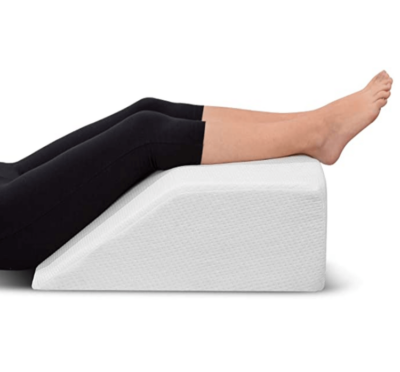
Putting your legs up above heart level lets gravity pull fluid away from the ankles rather than toward them. Even 15 to 20 minutes in the evening can make a noticeable difference. Use pillows, a bolster, or a footrest. Combining elevation with ankle exercises while you elevate your legs works even better.
When to Worry About Swollen Ankles
Most ankle swelling responds to the protocols I just shared. There are situations, though, where swelling is signaling something more serious, and immediate medical attention is required.
Contact your doctor right away if:
- You have swelling in one leg only, particularly with pain, warmth, or skin that looks red or discolored along the leg (this can indicate a blood clot).
- Your swelling came on suddenly without an obvious cause.
- You are having shortness of breath, chest tightness, or chest pain alongside the swelling (call 911).
- The skin stays indented when you press on the swollen area (pitting edema).
- Your skin is red, warm to the touch, or looks shiny and stretched.
- You have had cancer treatment, and this is new swelling, or a swelling pattern that has changed.
It’s also important to contact your doctor if you have been doing home management consistently for a week or two and the swelling is not improving.
If your swelling is connected to cancer treatment or lymphedema risk, a certified lymphedema therapist can assess what is driving it and put a specific plan in place.
I recommend finding a LANA-certified specialist (Lymphology Association of North America), as they have completed extensive training and passed rigorous exams. To find a LANA-certified specialist near you, you can use their certified specialist search tool.
Why Compression Stockings Sometimes Don’t Work
When one of my patients tells me that they’ve tried compression stockings and felt like they made no difference, we consider these three factors:
- Compression level. If you are wearing 10 to 15 mmHg stockings and your swelling is showing up daily, moving to 20 to 30 mmHg is usually the first fix.
- Garment type. If circular-knit stockings are cutting in at the ankle or thigh, a flat-knit garment fitted by a certified fitter or lymphedema therapist will do a better job containing the swelling.
- Starting volume. Stockings hold swelling at a reduced level. They are not built to bring down a significant amount of swelling on their own. If there is a lot of accumulated fluid, you may need complete decongestive therapy first to reduce the volume, and then stockings to maintain it.
Working with a certified lymphedema therapist gets you measured correctly, matched to the right garment, and pointed toward whatever is actually causing the problem.
Frequently Asked Questions About Swollen Ankles
Why are my ankles swollen in the morning?
Most ankle swelling is at its lowest in the morning after a night of lying flat. If your ankles are swollen when you wake up, that is less typical and worth discussing with your doctor. It can indicate that fluid is accumulating faster than the body is clearing it overnight, which sometimes points to a circulatory or lymphatic issue.
Does drinking more water help swollen ankles?
Staying hydrated is important for overall health, but water intake alone is not a reliable fix for ankle swelling. Sodium intake tends to have a more direct effect on fluid retention. When the body takes in more sodium than it needs, it holds onto water to dilute it, and the lower legs and ankles are where that shows up most.
Can swollen ankles be a sign of heart problems?
Yes. When the heart is not pumping efficiently, fluid can back up in the legs and ankles. Swelling in both legs that comes with shortness of breath, fatigue, or unexpected weight gain warrants same-day medical evaluation.
How long does ankle swelling last?
Swelling from something like a long day on your feet or a hot afternoon often clears overnight with rest and elevation. Swelling from chronic venous insufficiency or lymphedema is ongoing and needs to be managed consistently over time. If you have had swelling for more than a few days without a clear explanation, that is worth getting assessed.
When should I see a doctor for swollen ankles?
See your doctor promptly if swelling is in one leg only, came on suddenly, is accompanied by pain or warmth, is not improving with home management, or follows cancer treatment. Call 911 if swelling comes with chest pain or difficulty breathing.
Managing Swollen Ankles Starts with Knowing the Cause
Swelling in the ankles and feet is one of the most common things I see in the clinic. For most people, staying consistent with compression, movement, and elevation can make a notable, positive difference over time.
If your swelling is connected to cancer treatment, lymphedema, or venous insufficiency and you want a structured program to follow at home, my Lower Body Lymphedema Program covers compression, drainage techniques, and exercise in a format you can work through on your own schedule.
Your lymphatic system responds best to regular, gentle care, so I recommend focusing on consistency, starting where you are, and building from there.