If you live with lipedema, you might wonder what lipedema pain feels like and why it shows up the way it does. Pain is typically a part of living with this condition, but it often gets overlooked or dismissed.
As a physical therapist and certified lymphatic specialist (CLT-LANA), I work with lipedema patients often, and I hear how much this pain affects daily life. In this post, I’ll explain what lipedema pain feels like, why it happens, and share ways you can find some relief.
What Is Lipedema?
Lipedema is a chronic disorder of fat metabolism that mostly affects women.
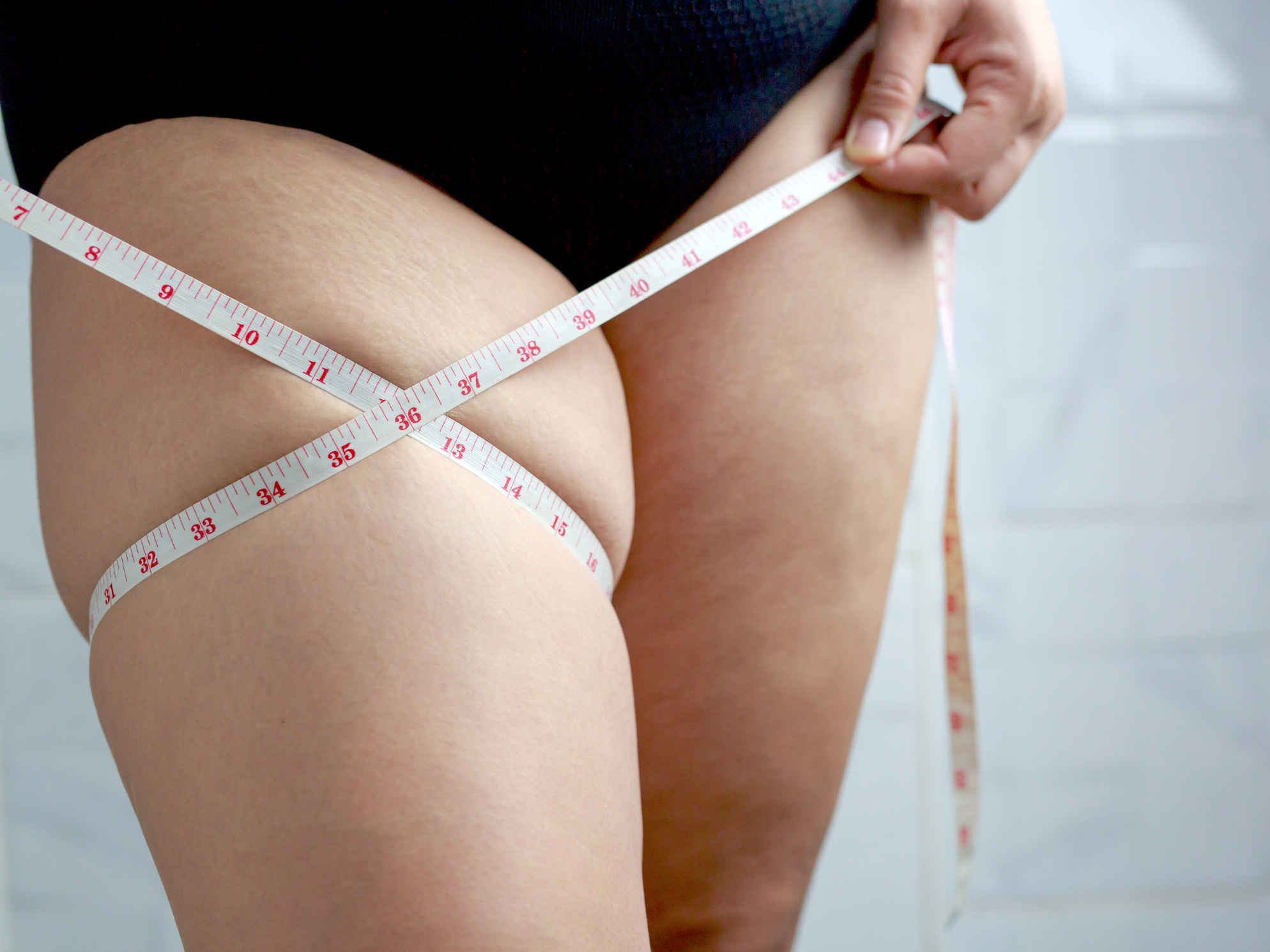
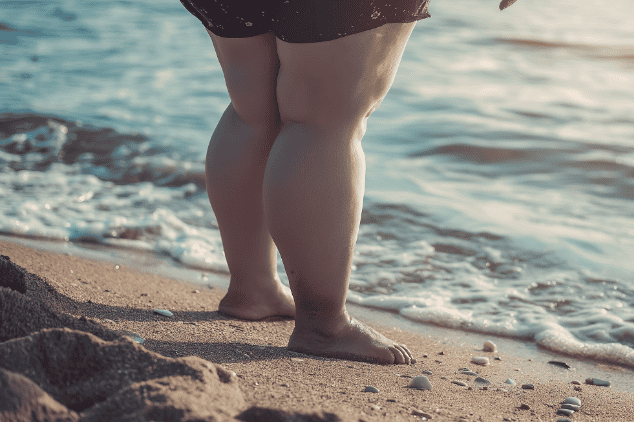
It causes fat to build up in certain parts of the body, usually the legs, hips, and arms. One common sign is that the fat tends to stop suddenly at the ankles or wrists, so the hands and feet often look unaffected while the limbs above them carry extra weight.
Lipedema symptoms often show up or get worse during times of hormonal change, like puberty, pregnancy, or menopause. Common ones include:
- Fat that builds up evenly in the legs, hips, or arms but doesn’t affect the hands and feet
- Tissues that feel tender or sensitive, even to light touch
- A heavy or tight feeling in the affected limbs
- Skin that bruises easily
- Pain that can range from mild to severe
Lipedema has been reported to affect as many as 12% of women around the world, but the true number is unknown. It’s likely higher because lipedema often gets misunderstood or misdiagnosed.
It’s common to be told the problem is simply weight gain and that you need to eat healthier and exercise. Lipedema doesn’t respond to diet or exercise the way typical weight does, so it can feel frustrating and dismissive when you know that there’s something else going on with your body.
What Does Lipedema Pain Feel Like?
In my practice, most people describe lipedema pain as a deep and tender ache. It’s usually not a sharp pain.
The affected areas can feel sore and sensitive, so even a gentle touch or light pressure can hurt. Many of my patients tell me that the pain feels mechanical, almost like the tissue itself is heavy and pulling, rather than the burning or stinging you might expect from swelling alone.
Unfortunately, pain is one of the most common parts of living with lipedema.
Up to 92% of patients say they feel it, and research suggests that somewhere between 62% and 100% of people with the condition deal with pain or tenderness. The pain also varies a lot in how it feels and how strong it is, from a dull discomfort to a throbbing or even tearing feeling.
For many people, the pain builds as the day goes on.
Fluid tends to collect in the affected areas, so the heaviness and soreness often peak in the evening. Standing for long periods, warm weather, and hormonal shifts during your menstrual cycle can all make it feel worse, too.
Learn more about lipedema vs cellulite and how to tell the difference between the two.
Why Does Lipedema Hurt?
Researchers are still working to understand why lipedema causes pain, but a few things seem to play a role.
The fat in lipedema isn’t ordinary fat. It builds up in an abnormal way and can form small, painful nodules under the skin. This tissue is often tender and sensitive, which is why even light pressure can hurt.
Fluid also tends to pool in the affected areas, which adds pressure and a heavy feeling.
Hormonal changes can also affect how much pain you feel, which is why some people notice it gets worse around their menstrual cycle.
How the Pain Changes as Lipedema Progresses
Lipedema is usually described in four stages, based on how the skin and tissue change over time. Pain can show up at any stage, and it often increases as the condition moves forward.
- Stage 1: The skin still looks smooth, but the tissue underneath may feel slightly different. People often notice mild tenderness at this point.
- Stage 2: The skin starts to look uneven or dimpled, with small indentations. Pressing on the affected areas tends to feel more painful here.
- Stage 3: Larger lumps of tissue, called lobules, begin to form. Discomfort becomes more frequent and harder to ignore.
- Stage 4: The skin thickens, and the affected areas grow larger. Many people feel chronic pain every day at this stage.
That said, lipedema pain can progress differently for different people. Someone in an earlier stage can still have a lot of pain, which is why getting a lipedema diagnosis early can make a big difference.
Lipedema Pain vs Ordinary Leg Pain
It can be hard to tell lipedema pain apart from everyday leg pain, especially in the beginning.
Ordinary leg pain usually has a clear cause, like a long workout, an injury, or standing all day, and it tends to go away with rest. Lipedema pain is often a chronic, tender feeling that sticks around, and it tends to affect both legs evenly rather than just one spot.
If it’s lipedema, the fat buildup also stops suddenly at the ankles, leaving the feet unaffected. You may also notice that your skin bruises easily, even without bumping into anything.
Learn more about lipedema vs lymphedema, which is a condition that can sometimes be confused with lipedema and also cause pain.
How to Get Rid of Painful Lipedema
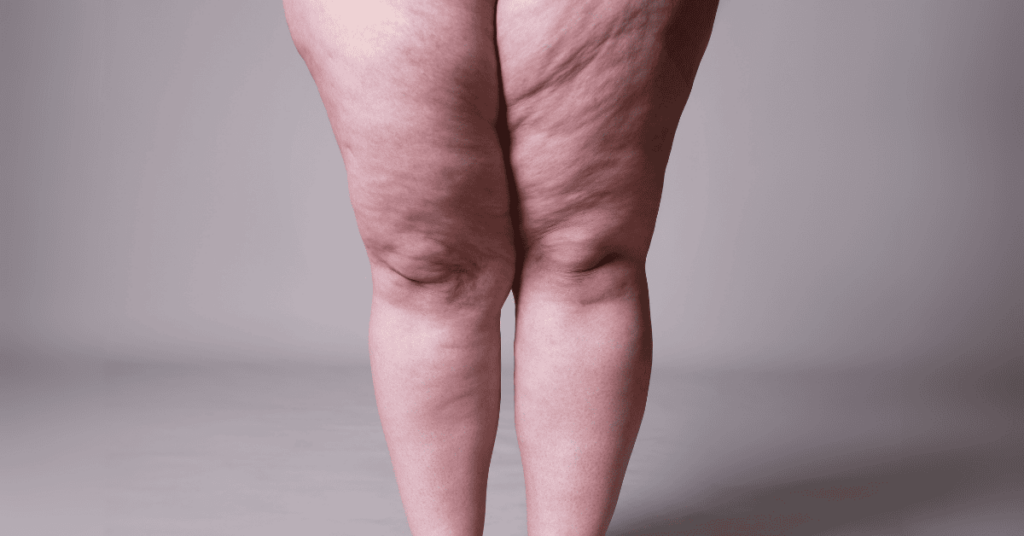
There’s no cure for lipedema yet, but that doesn’t mean you have to live with constant pain. The right management plan can ease your symptoms, reduce swelling, and help you feel more comfortable in your body day to day.
As a certified lymphatic specialist, here are some of the most helpful options I recommend.
Compression Therapy
Compression therapy uses snug-fitting garments, like leggings or sleeves, to apply gentle pressure to the affected areas. This pressure helps move fluid out of the tissue and keeps it from building up, which can take some of the heaviness and soreness away.
Compression is one of the most reliable tools for lipedema, and it can noticeably reduce pain for many people. The key is finding the right fit, so I recommend working with a specialist who can help you choose garments that match your needs.
Here is my most recommended brand:

Manual Lymphatic Drainage
Manual lymphatic drainage is a gentle, hands-on massage technique that encourages fluid to move through your lymphatic system. The strokes are light and rhythmic, since the lymphatic vessels sit close to the surface of your skin.
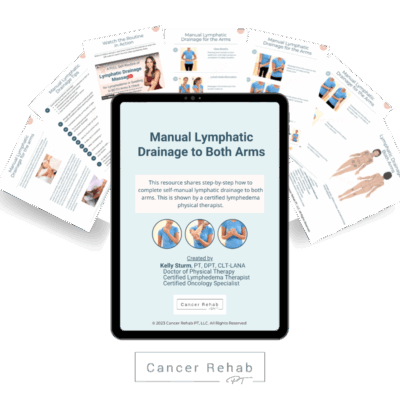
This type of massage can help manage lipedema symptoms by reducing swelling and easing the tightness and heaviness that come with it. A trained therapist can perform it for you, but many people also learn simple self-massage techniques to use at home.
Just make sure to follow guides that are created by professionals with credentials, such as these ones:


Low-Impact Movement
Movement is one of the best things you can do for lipedema, especially gentle and low-impact activity like these exercises for the lymphatic system. Walking, swimming, and water exercises are also all great options.
Try not to think of this as a way to shrink the affected areas, since that fat won’t respond to exercise the way ordinary fat does. The point is to keep your body moving so your lymphatic system stays active.
Your muscles help pump lymph fluid through your body, so regular movement keeps things flowing and can reduce fluid accumulation and chronic inflammation that often comes with lipedema.
Vibration plates are another option you can try. You stand on a platform that creates fast vibrations, which gently activate your muscles and encourage lymph flow. They’re low-impact and easy to use at home.
Here are my recommended vibration plates and exercises for lipedema pain:


Anti-Inflammatory Diets
No diet can make lipedema fat disappear, but eating in a way that lowers inflammation may help you feel better overall.
An anti-inflammatory approach focuses on whole foods like vegetables, fruits, lean proteins, and healthy fats, while cutting back on processed foods and added sugar.
It’s important to set realistic expectations here. Lipedema fat tissue is resistant to diet and exercise, so the goal isn’t weight loss in the affected areas. Instead, eating well can support your overall health, help manage inflammation, and make other treatments more effective.
Here are more ways to detox your lymphatic system naturally.
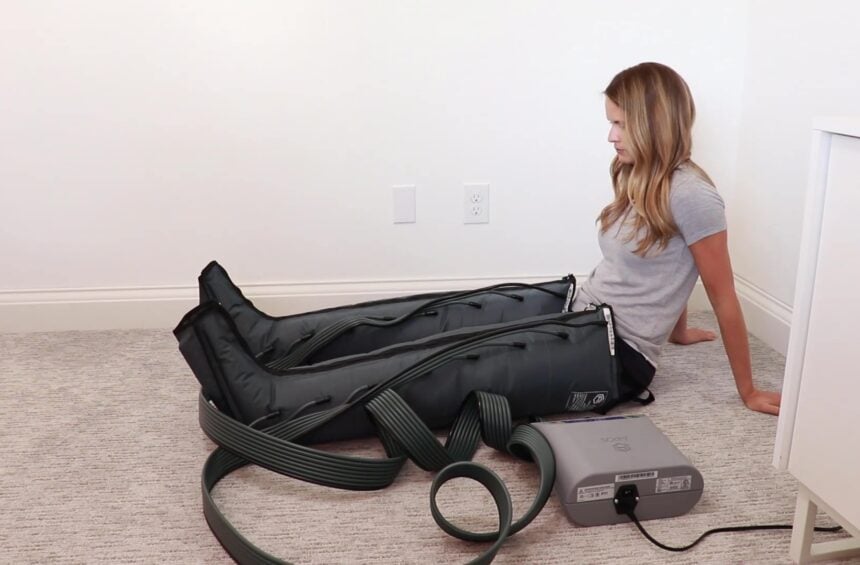
Pneumatic Compression Devices
A pneumatic compression device is a sleeve or set of leggings that inflates and deflates with air. As the chambers fill and release, they gently squeeze your limbs in a wave-like motion, which helps push fluid out of the affected areas.
These devices can be used at home and are a helpful option for people who want extra support beyond compression garments. They work especially well for reducing swelling and end-of-day heaviness.
Lipedema Surgery
For some people, surgery becomes an option when other treatments aren’t enough. The most common procedure is a specialized type of liposuction that removes lipedema fat while protecting the lymphatic vessels. This can reduce pain and improve mobility for people with more advanced lipedema.
However, surgery isn’t the first step. It’s best to try conservative treatments first, like compression, manual lymphatic drainage, movement, and other management tools. Many people find a lot of relief through these approaches without needing surgery.
FAQs
What Does Pain From Lipedema Feel Like?
Most people describe it as a deep soreness or dull ache that sits in the tissue. Lipedema pain isn’t a sharp or sudden pain. The affected areas are often tender, so pressing on them or even a light bump can hurt. Some people also feel achiness in their joints as the extra weight in the limbs adds strain.
Does Lipedema Hurt All the Time?
Not always. In the earlier stages, pain may come and go, and some days will feel better than others. Lipedema pain often flares up after standing for a long time, in warm weather, or around your menstrual cycle. As lipedema moves into later stages, the discomfort tends to become more constant.
Physical therapy approaches, such as lymphatic drainage massage and compression therapy, can be very helpful for managing pain.
How to Get Rid of Lipedema Leg Pain?
You may not be able to completely get rid of lipedema pain, but you can often lower it by wearing compression garments, doing manual lymphatic drainage, and getting some gentle movement in. All of these approaches help reduce swelling and pressure in the legs. Staying consistent and having multiple tools in your lipedema management toolbox will help you reduce inflammation and ease the pain.
Will Lipedema Fat Ever Go Away?
Lipedema fat doesn’t respond to diet and exercise the way ordinary fat does, so it won’t disappear on its own through weight loss. However, managing your symptoms can help you feel more comfortable and stay mobile. For some people with more advanced lipedema, specialized liposuction can remove the fat, but it’s not a cure. Lipedema fat deposits still won’t go away completely, even with surgery.
With lipedema, your main goal is improving your quality of life with management strategies, which can make a big difference in how you move and how much lipedema pain you feel.
Will Ozempic Help with Lipedema?
Medications like Ozempic are used for weight loss and blood sugar control. They weren’t created for lipedema, and they aren’t a cure or a recognized management strategy. Since lipedema fat is resistant to weight loss, these medications won’t help with the abnormal fat deposits.
That said, some people with lipedema also carry ordinary weight, which these medications may help with, which can take some pressure off the joints. If you’re curious about this, it’s best to talk with your doctor about whether it makes sense for your situation.
More Resources to Reduce Lipedema Pain
As a physical therapist and certified lymphatic specialist (CLT-LANA), I’ve worked with many patients living with lipedema, and I know how much the pain can affect daily life.
While there’s no cure, there’s a lot you can do to feel better.
Compression therapy, manual lymphatic drainage, gentle movement, and an anti-inflammatory approach to eating can all help reduce pain and swelling over time.
I have resources to help you manage lipedema symptoms and make living with the condition a little easier: