

If you’ve noticed swelling in your arm, chest, or hand after breast cancer treatment, you might be developing lymphedema. Lymphedema after breast cancer happens when lymph fluid builds up in your tissues, which leads to swelling, heaviness, and discomfort in the affected area.
It’s a common side effect, but you don’t have to accept swelling and limitations as your new normal. There’s a lot you can do to manage it and keep it from getting worse.
As a physical therapist and certified lymphedema therapist (CLT-LANA), lymphedema is something I see with many breast cancer survivors in my practice. Below, I’ll walk you through what lymphedema after breast cancer looks like, the signs to watch for, and the steps you can take to lower your risk.
What Is Lymphedema After Breast Cancer Surgery or Treatment?
Your lymphatic system is like your body’s drainage network. It moves a fluid called lymph through a web of vessels and nodes, clearing out extra fluid, waste, and germs as it goes.
Lymphedema happens when that drainage system gets damaged or blocked. The lymph fluid has nowhere to go, so it collects in your tissues and causes swelling.
Breast cancer treatment is one of the most common reasons for this. Surgery, radiation, and chemotherapy can all affect how well your lymphatic system drains:
- Surgery: Removing lymph nodes, including a sentinel node biopsy, disrupts the normal flow of your lymph fluid
- Radiation therapy: Radiation can scar and inflame your lymphatic vessels, which makes drainage harder
- Chemotherapy: Chemo can weaken your immune system and add to your overall risk of lymphedema
When your lymphatic system can’t keep up, fluid backs up, usually in the arm, chest, or breast on the side where you were treated.
Lymphedema is most common in women, but it can also develop in men after breast cancer treatment.

Lymphedema in the Breast After Breast Cancer
Lymphedema can show up in the breast, especially after a lumpectomy with radiation.
You might notice swelling or a full, heavy feeling in the breast. The skin can look dimpled like an orange peel, feel warm, or become tender, and the treated breast may look larger or sit differently from the other side.
Lymphedema in the Arm After Breast Cancer
The arm is the most common place for lymphedema after breast cancer. Swelling can affect your whole arm or just your hand and fingers. You might feel heaviness, tightness, or aching and notice that rings, watches, or sleeves suddenly feel snug.
The arm on your treated side may look visibly larger than the other one.
Lymphedema in the Neck After Breast Cancer
Lymphedema in the neck is less common after breast cancer than in the arm or breast, but it can happen, particularly if you had radiation or surgery near your collarbone or upper chest.
You might notice puffiness in your neck, face, or under your chin, along with tightness or a feeling of fullness. Sometimes it can make turning your head or swallowing feel less comfortable.
What Causes Lymphedema After Breast Cancer?
Lymphedema after breast cancer develops when your lymphatic system can’t drain fluid the way it used to. A few parts of treatment can cause this:
- Lymph node removal: Taking out lymph nodes during surgery removes some of the pathways your lymph fluid normally travels through
- Sentinel lymph node biopsy: Even removing one or a few nodes to check for cancer can affect drainage
- Axillary lymph node dissection: Removing a larger group of nodes from your underarm carries a higher risk
- Radiation therapy: Radiation to your chest or underarm can scar the vessels and nodes that move your lymph fluid
- Infection or injury: An infection or wound in the affected area can overwhelm an already weakened system
The more your lymphatic system is disrupted, the higher your chances of developing lymphedema.
Learn more about what lymphedema pain feels like.
How Common Is Lymphedema After Breast Cancer?
Lymphedema is common after breast cancer, but it isn’t a guarantee.
Research shows that about 1 in 5 people (20%) develop arm lymphedema after treatment that includes surgery to remove lymph nodes or radiotherapy to the lymph nodes.
Your risk depends a lot on the type of treatment you had.
For example, about 5% to 17% of people develop lymphedema after a sentinel lymph node biopsy. Axillary lymph node dissection increases the risk of lymphedema to 20% to 53%.
If your breast cancer treatment included removing 10 or more lymph nodes, this also raises the risk to around 20% to 53%.
Overall, you’re at higher risk of lymphedema after breast cancer if you had a large number of lymph nodes removed or a large tumor. Other risk factors, such as obesity, older age, or a pre-existing lymphatic condition, can also play a role.
That said, being at risk doesn’t mean you’ll definitely get lymphedema, and there’s plenty you can do to lower your chances. Learn more about how to prevent lymphedema.
What Are the Signs of Lymphedema After Breast Cancer?
Lymphedema can show up in a lot of different ways, and the signs are easy to brush off at first. Here’s what to watch for on your treated side:
- Swelling in the arm, hand, fingers, breast, or chest on the side where you had surgery or radiation
- A heavy, tight, or full feeling in the affected arm
- Trouble moving your arm or shoulder through its normal range of motion
- Aching or pain in the area that gets worse with activity
- Repeated infections in the affected arm or chest
- Skin that starts to feel thicker, firmer, or harder than usual
- Swelling that keeps getting worse and doesn’t settle down with rest or elevation
- A visible size or shape difference between your treated side and the other side
Catching these signs early and telling your doctor gives you the best shot at managing lymphedema and avoiding complications. Left alone, it tends to get worse over time and can lead to more swelling and infections like cellulitis.
Early Signs of Lymphedema After Breast Cancer
The earliest signs are usually subtle, and you’ll often feel them before you can see them.
Pay attention if you notice:
- A heavy or tight feeling in your arm, hand, or chest, even without obvious swelling.
- Rings, watches, bracelets, or sleeves that suddenly feel snug.
- Mild puffiness that comes and goes, often worse at the end of the day.
- A slight aching or tingling in the affected area.
If any of this sounds familiar, don’t wait to see if it passes, and try to get an early diagnosis. Early lymphedema is much easier to manage, and in some cases, catching it early can reverse the swelling.
In my practice as a certified lymphedema therapist (CLT-LANA), I unfortunately often see people who only got diagnosed once they started seeing severe swelling. While it’s still possible to reduce swelling in the later lymphedema stages, it becomes harder to do.
How Do You Diagnose Lymphedema After Breast Cancer Treatment or Surgery?
Diagnosing lymphedema usually starts with a conversation and a hands-on exam.
Your doctor or lymphedema therapist will ask about your treatment history and check the affected area for swelling, skin changes, and how it feels.
From there, a few things can help get lymphedema diagnosed:
- Measuring and comparing: Comparing the size of your treated arm to your other arm, often by measuring at several points or tracking your arm volume over time
- Physical exam: Checking your skin, range of motion, and how the tissue responds to gentle pressure
- Imaging: In some cases, a test like lymphoscintigraphy or MRI is used to get a closer look at how your lymph fluid is draining
If you’ve started noticing symptoms after breast cancer treatment, reach out to your doctor or a certified lymphedema therapist as soon as you can. The sooner you’re seen, the more options you have.
How Do You Treat Lymphedema After Breast Cancer?
Lymphedema is a chronic condition with no cure, but that doesn’t mean you’re stuck with it. With the right care, you can move fluid out of the affected area, bring down swelling, and keep it under control.
Here’s what lymphedema treatment usually looks like.
Complete Decongestive Therapy (CDT)
Complete Decongestive Therapy is the gold standard for treating lymphedema, and it’s what I use with my patients. It combines a few approaches to move lymph fluid out and keep it from building back up:
- Manual lymphatic drainage: A gentle, hands-on massage technique that guides trapped fluid toward areas that can still drain
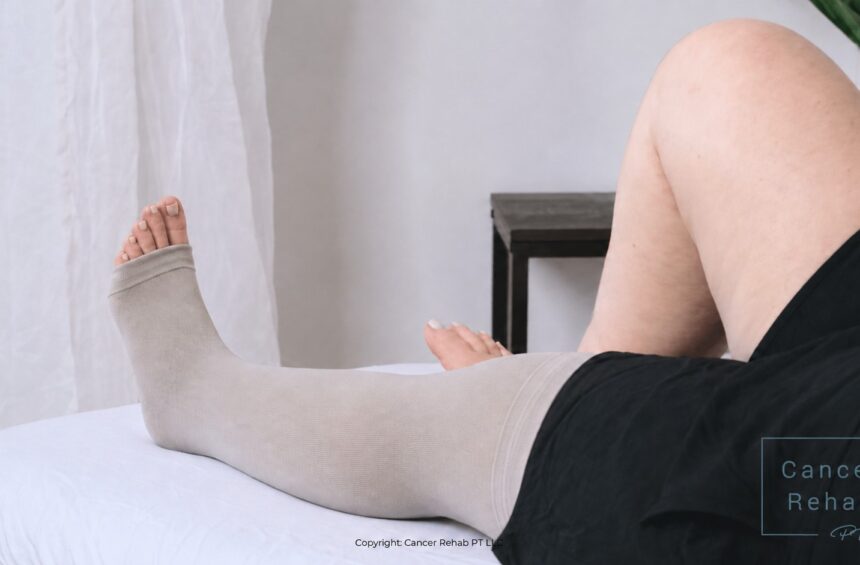
- Compression therapy: Bandages or fitted compression garments that apply steady pressure to keep swelling down
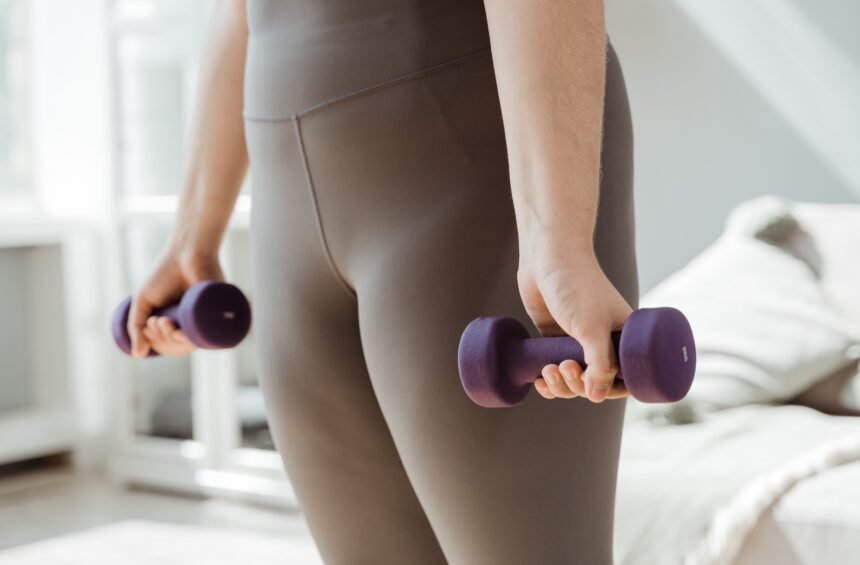
- Exercise: Movements that use your muscles to pump lymph fluid through your body
- Skin care: Keeping your skin clean and moisturized to prevent infections that can make lymphedema worse
CDT is usually done in two phases. First comes an intensive phase, where you work closely with a therapist to bring the swelling down. Then comes a maintenance phase, where you keep the results going at home with compression, exercise, and skin care.
Learn more about the most effective treatment for lymphedema.
Lymphedema Self-Care
A big part of managing lymphedema happens at home. These are some of the tools and habits I recommend to support your lymphatic system day to day:
- Lymphatic exercises: Gentle, targeted movements use your muscles to pump fluid out of the swollen area
- Vibration plates: Standing on a vibration plate creates fast muscle contractions that help move lymph fluid along
- Rebounder workouts: The gentle bouncing on a rebounder encourages lymph flow with low impact on your joints
- Compression garments: Wearing your fitted sleeve or garment as directed keeps fluid from pooling during the day
- Manual lymphatic drainage: A gentle self-massage technique you can learn to guide trapped fluid toward areas that drain well
- Pneumatic compression devices: These are pumps with inflatable sleeves that gently squeeze the limb to help move lymph fluid out
- Red light therapy: Some people find red light therapy helps with swelling and skin comfort as part of their routine
- Lymphedema diet: Eating well and staying hydrated support your whole system and help you maintain a healthy weight, which eases the load on your lymphatics
You don’t have to do all of these at once. Start with what feels manageable and build a routine you can stick with, since consistency is what keeps swelling down over time.
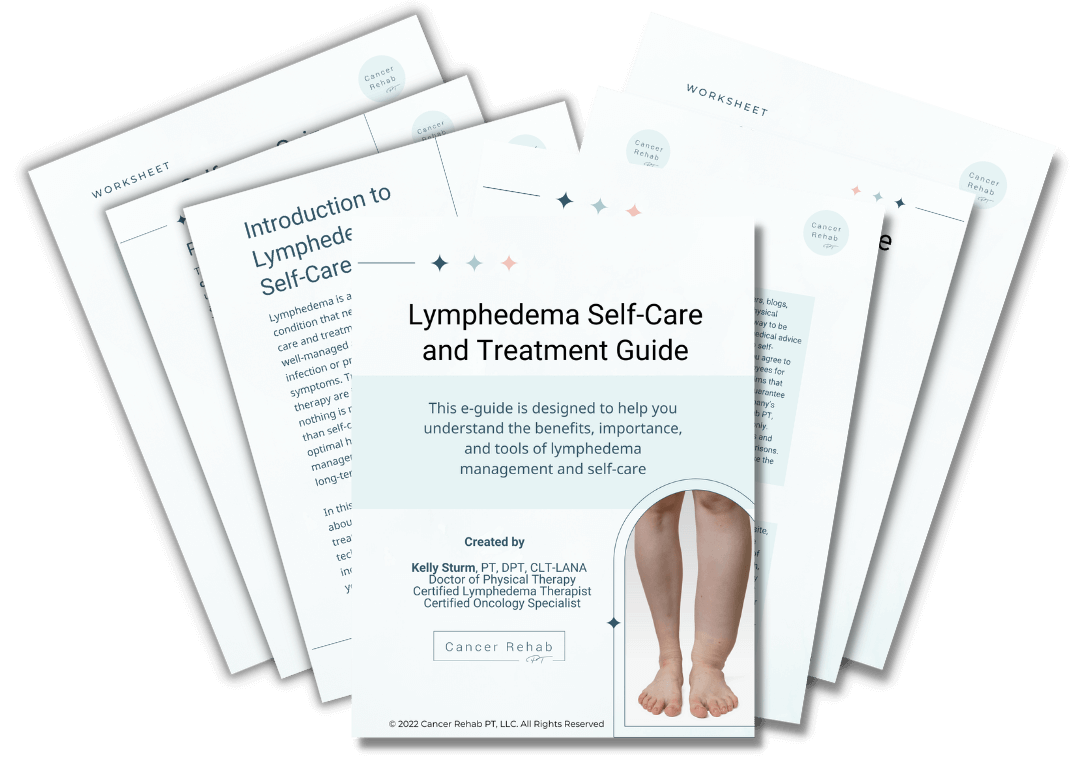
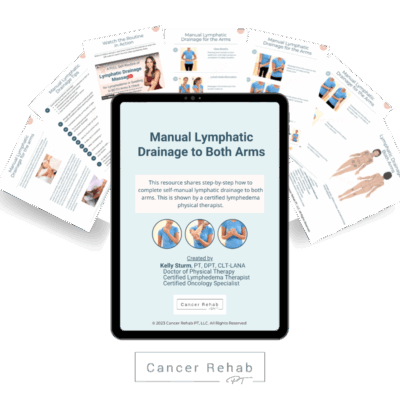
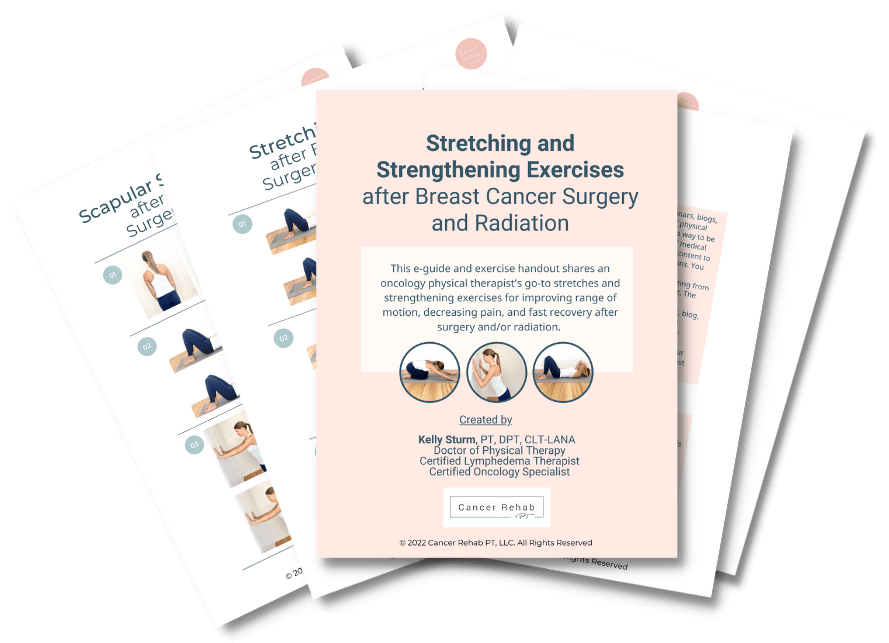
Learn more about lymphedema self-care, or get started with these guides:




Living with Lymphedema After Breast Cancer
Lymphedema can feel overwhelming, but it’s a condition that you can manage. With steady care, most people bring their swelling down and get back to the activities they love. Lymphedema also doesn’t increase your risk of cancer coming back.
There are surgical options for lymphedema too, like lymph node transfer and lymphaticovenous anastomosis, which reroute or rebuild drainage pathways.
However, these aren’t the first line of treatment. Most people do well with CDT and consistent self-care, and lymphedema surgery is usually only considered when swelling doesn’t respond to those approaches.
The one habit that I emphasize with my patients is to keep monitoring. If you notice sudden swelling or any signs of infection like redness, warmth, or fever, get in touch with your care team right away.
How to Avoid Lymphedema After Breast Cancer
After breast cancer treatment, your risk of lymphedema is lifelong. You can develop it months or even years after treatment, but there are also steps you can take to prevent lymphedema.
Here’s what I recommend as a certified lymphedema therapist (CLT-LANA).
1. Manage Your Weight
Carrying extra weight puts more strain on your lymphatic system and raises your risk of lymphedema. Keeping your weight in a healthy range takes some of that load off and helps your body drain fluid more easily.
You don’t need a dramatic diet, just steady and sustainable habits around movement and eating well.
2. Stay Active
Regular movement is one of the best things you can do for your lymphatic system, since your muscles are what pump lymph fluid through your body. The goal is gentle and consistent activity, such as:
- Walking
- Vibration plates
- Rebounder workouts
- Swimming
- Yoga or stretching
Start slow, especially if you’re returning to exercise after treatment, and build up gradually as you feel stronger. Just try to move your body in ways that you feel comfortable with!
You can also follow my exercise guides:


3. Protect Yourself from Infection
An infection in your treated arm or chest can overwhelm your lymphatic system and trigger swelling, so keeping your skin healthy is a key part of prevention. Stick to these habits:
- Keep your skin clean and moisturized to prevent cracks where germs can get in.
- Use a mild, fragrance-free soap and skip harsh chemicals.
- Protect your skin from cuts, scratches, insect bites, and burns.
- Wear gloves for gardening, cleaning, or other tasks that risk nicks.
- Use a high-SPF sunscreen whenever you’re outside.
- Ask for blood draws, injections, and blood pressure readings on your unaffected arm when possible.
If you do get a cut or scrape, clean it right away and keep an eye out for redness, warmth, or swelling that could signal an infection.
4. Skip Tight Bras and Clothing
Tight clothing can press on your lymphatic vessels and keep fluid from draining, which adds to your risk. Look for well-fitted, supportive bras without underwire, and choose breathable fabrics that let you move freely.
This can be confusing because compression garments are one of the ways you can treat lymphedema. But not all pressure works the same way! Compression garments are designed by specialists to move lymph fluid in the right direction. A tight bra doesn’t work the same way.
5. Early Detection
Lymphedema has no cure, but catching it early is the single best way to keep it mild. When treated right away, swelling is much easier to control, and in some cases, early care can even naturally reverse it.
You can get routine screenings at your clinic, but you’re also your own best monitor. Keep an eye out for sudden changes in size, heaviness, or tightness in your arm, chest, or neck. Tracking your arm volume over time, either at home or at appointments, is a helpful way to spot lymphedema, too.
FAQs
Can you get lymphedema years after breast cancer?
Yes. Lymphedema can develop months or even years after your treatment ends, which is why the risk is considered lifelong. Some people notice it soon after surgery, but you may also not see any signs until much later. Because it can appear at any point, staying aware of the early signs helps you act quickly and get ahead of it whenever it shows up.
How serious is breast lymphedema?
Breast lymphedema ranges from mild to more significant, but most cases are manageable when caught early. Left untreated, it can lead to more swelling, discomfort, skin changes, and a higher chance of infection over time. With consistent care and monitoring, though, most people keep it well under control and go on to live full, active lives.
Learn if lymphedema is dangerous.
What does breast lymphedema feel like?
It usually feels like swelling, heaviness, or fullness in the breast or chest on your treated side. The skin can feel tight, warm, or tender, and sometimes takes on a dimpled, orange-peel texture. The treated breast may also look larger or sit differently from the other side. These sensations often come and go early on before becoming more constant.
Can you get lymphedema 20 years after breast cancer?
Yes. Because your lymphatic system stays altered after treatment, the risk never fully disappears, and swelling can be triggered years later by an infection, injury, or strain on the area. This is why lifelong awareness is so helpful, even decades out, so you can catch any changes early.
Get More Support in Breast Cancer Rehab
There’s a surprising lack of reliable information out there about life after breast cancer and how to prevent or manage chronic conditions like lymphedema.
As a physical therapist and certified lymphedema therapist (CLT-LANA), I’ve worked with so many people who were told that their symptoms were just “the new normal” and sent on their way.
In Breast Cancer Rehab, I share education, resources, and exercises that help you lower your risk of lymphedema and effectively manage chronic swelling.
Lymphedema after breast cancer may be common, but it doesn’t have to be normal for you!