

If you’ve been dealing with chronic swelling or lymphedema, you may have heard about using a lymphedema pump to help manage it.
But how do these devices work? Where can you get one? Is it safe? Does insurance cover them? Will a pneumatic compression device truly help with swelling?
As a physical therapist and certified lymphedema therapist (CLT-LANA), a lymphedema pump is one of the tools I recommend to help many of my patients keep their swelling under control. In this post, I’ll walk you through how they work and how to find one.
What Is Lymphedema?
Lymphedema is a long-term condition where fluid builds up in the tissues and causes swelling, usually in the arms or legs.
It happens when the lymphatic system, your body’s fluid drainage network, isn’t able to move fluid the way it should. This can be present from birth, or it can develop after surgery, radiation, or an injury, which is known as secondary lymphedema.
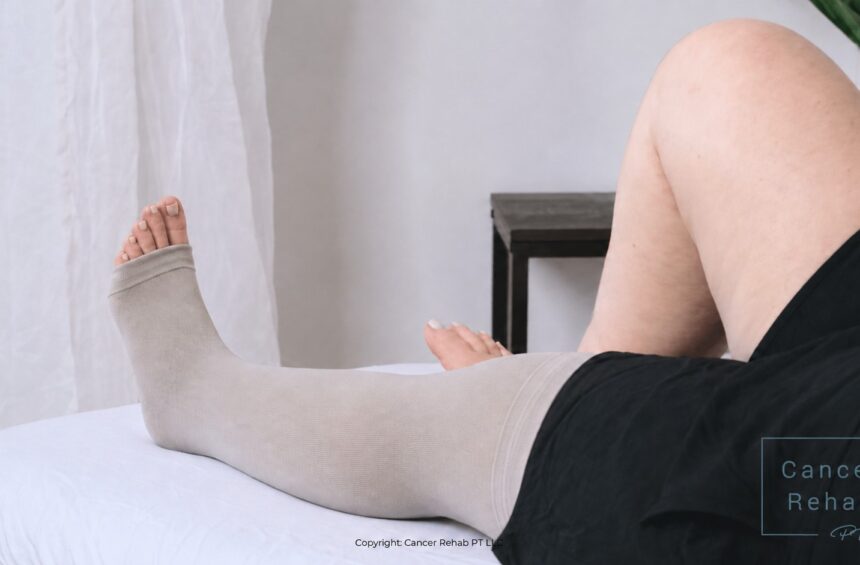
The gold standard lymphedema treatment is complete decongestive therapy, which combines manual lymphatic drainage, compression therapy, skin care, and exercise.
However, a big part of managing lymphedema happens at home through daily self-care, and many tools can support this. In my practice, people often try red light therapy, vibration plates, and rebounder workouts to help manage swelling.
A lymphedema pump is another option you can add to your routine.
What Is a Lymphedema Pump?
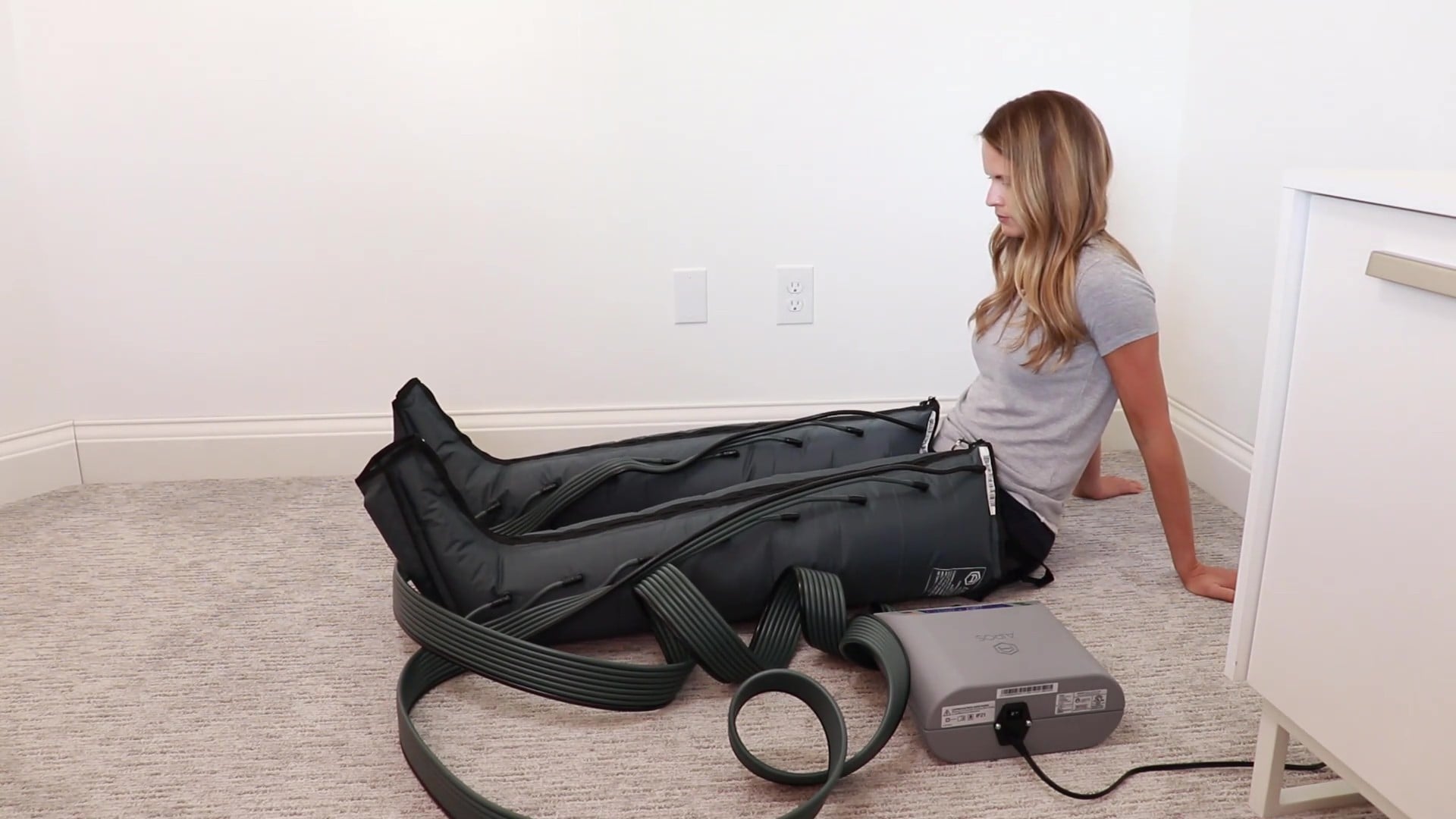
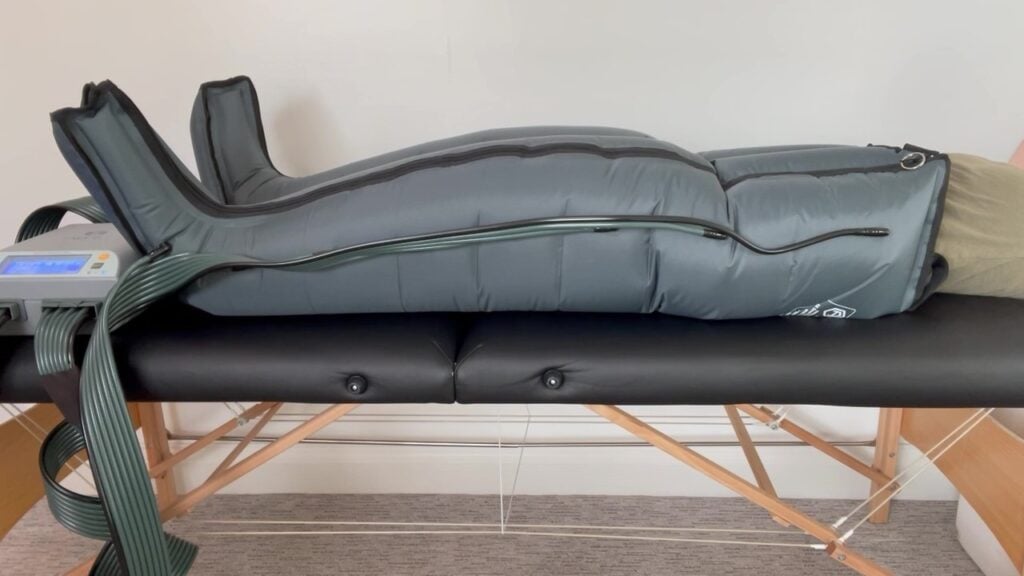
A lymphedema pump is a device that gently squeezes your arm or leg to help move trapped fluid out of the tissue.
It usually includes a sleeve or set of garments that wrap around the affected limb, connected to a small machine that fills the garment with air. The pressure encourages fluid to flow toward areas where your body can drain it more easily.
These pumps are used for more than lymphedema alone. They can also help people with chronic venous insufficiency and other lymphatic and venous disorders, such as deep vein thrombosis, since these conditions involve similar problems with fluid and circulation.
What Does a Lymphedema Pump Do?
A lymphedema pump works by inflating and deflating in a steady rhythm.
As the chambers fill with air, they apply gentle pressure to your limb, then release. This wave-like motion mimics the natural flow of your lymphatic system and helps push fluid toward parts of your body where it can drain properly.
Do Lymphedema Pumps Really Work?
Yes, research supports using lymphedema pumps to reduce swelling.
A study followed forty patients with stage II or III leg lymphedema and measured their leg volume and quality of life across several clinic visits.
The researchers found that a pump designed to mimic manual lymphatic drainage was more effective at reducing swelling in the lower leg than a traditional sequential pump, and that both approaches improved patients’ quality of life.
One important takeaway from the study is that the swelling tended to come back once treatment stopped. This tells us that a pump works best with regular and consistent use.
It also works best as part of a bigger lymphedema management routine, alongside compression, manual lymphatic drainage, and other daily habits that keep swelling in check.
Learn more about lymphedema self-care.
What Type of Pump Should I Use for Lymphedema?
Pumps come in a few different forms, but you should know upfront that the only pneumatic compression device you should use for lymphedema is a medical-grade lymphedema pump.
The others may look similar or seem like a cheaper shortcut, but they aren’t effective for treating lymphedema. Let’s take a closer look at the different types of pumps available.
Single-Chamber Pumps
This is the most basic pneumatic compression device. A single air chamber wraps around the limb, inflates, and deflates as one unit. You’ll often find these in hospitals, where they’re placed on the lower leg to help prevent blood clots while a patient recovers in bed.
Single-chamber pumps aren’t appropriate for managing lymphedema. They don’t move lymphatic fluid in the right direction, and they can’t address the complexity of how lymphedema works.
Multi-Chamber Pumps
These have multiple chambers and are sold to athletes as recovery tools. They’re tempting because they cost less, don’t need a prescription, and are far easier to get than medical devices.
However, multi-chamber recovery pumps aren’t appropriate for lymphedema.
They weren’t designed with lymphedema in mind, and if you have swelling in your abdomen, pelvis, chest, or breast, a pump that only treats the leg or arm can drive fluid toward those already overwhelmed areas and leave you worse off.
Medical Grade Pumps
This is the category built for lymphedema.
These pneumatic compression devices are divided into segments and can be programmed to inflate in order, beginning at the far end of the limb and working steadily toward the trunk. That sequence moves fluid in a deliberate, clinically guided direction.
They also come with garments for far more than just the arms and legs, covering the lower leg, full leg, arm, chest, trunk, and even the head and neck. In the US, these are FDA-cleared medical devices, and you’ll need a prescription to get one.
If your doctor or CLT brings up a specific device, these are three of the medical-grade options they’re most likely to prescribe (in alphabetical order):
- AIROS Medical offers 6-chamber and 8-chamber devices for both arms and legs, plus truncal garments that address abdominal and pelvic swelling
- Lympha Press has been in clinical use since 1980, and its Optimal Plus model includes several therapy modes, one of which follows the principles of complete decongestive therapy
- Tactile Medical makes the Flexitouch Plus, one of the most heavily researched devices for lymphedema, covering the upper body, lower body, trunk, and head and neck
That said, the best lymphedema pump for you depends on what your CLT recommends after looking at your situation and what your insurance will approve.
What Is the Best Lymphedema Pump?
It depends on many factors, such as where your swelling is and your lymphedema stage.
This is something to figure out with your doctor or certified lymphatic therapist, who can look at your situation and recommend a device that fits your needs and will work for your insurance.
Where Can I Buy a Lymphedema Pump?
Since the only pumps appropriate for lymphedema are medical-grade devices, you won’t be buying one off the shelf. These are prescribed by your doctor or CLT and ordered through a medical supply company.
Your care team will usually connect you with the right provider and help with the paperwork.
I’d steer clear of the consumer recovery pumps you see online, even though they’re easier to get, because they aren’t designed for lymphedema and can do more harm than good.
How Much Does a Lymphedema Pump Cost?
It can vary quite a lot depending on the device and the garments you need. Medical-grade pumps can run anywhere from $1,000 to $10,000 when paid out of pocket.
However, you often won’t pay full price, since these devices are often covered by insurance when your provider documents that they’re medically necessary.
Does Insurance Pay for Lymphedema Pumps?
In many cases, yes. However, the process can get complicated, especially in the US.
Medical-grade pumps are classified as durable medical equipment (DME), which means that they require a prescription and have to be obtained through an approved DME vendor. Your doctor writes the prescription, and the vendor works with your insurance on coverage.
Most plans, including Medicare, won’t authorize a pump until you’ve shown a confirmed lymphedema diagnosis and completed a four-week trial of conservative treatment first.
For example, Medicare covers lymphedema pumps as durable medical equipment when you meet the criteria, including a confirmed diagnosis, functional impairment, and documented proof that compression garments and other conservative measures haven’t been enough.
Some plans also require a trial with a standard pump before they’ll approve an advanced device.
This process takes time and can be frustrating, but working with a certified lymphedema therapist helps move things along. They document what they see clinically, and that documentation is what the insurance company needs.
Do You Need a Prescription for a Lymphedema Pump?
Yes.
Medical-grade pumps are FDA-cleared devices, so you’ll need a prescription to get one. The prescription confirms that the device is medically necessary, which is required both for the manufacturer to provide it and for insurance to cover it.
How to Use Your Lymphedema Pump
Using your pump is fairly simple.
You put on the garment, connect it to the machine, and let it run through its cycle. Most sessions last somewhere between 30 minutes and an hour, and many people use their pump once a day.
Keep in mind that your lymphedema pump is just one tool in your lymphedema management toolbox, and it’s most effective when you pair it with the other parts of your routine, such as:
- Manual lymphatic drainage
- Compression garments
- Good skin care
- Gentle movement and lymphatic drainage exercises
- Deep breathing to help fluid flow
In other words, a pump on its own won’t keep your lymphedema in check, but it can definitely be a valuable tool that’ll help.
Learn how to reduce swelling in legs and feet.
FAQs
What are the side effects of using a lymphedema pump?
Most people use their pump without any trouble, but a few side effects can come up. If the pressure is set too high or you use the pump for too long, it may cause discomfort, skin irritation, or push fluid into areas where you don’t want it.
Sticking to your provider’s settings and schedule helps you avoid these issues, and if something feels off, stop and check in with your care team.
When should you not use a lymphedema pump?
There are certain situations where a pump isn’t safe. People with a blood clot, an active skin infection, certain heart conditions, or some circulation problems may be told not to use one. Always make sure to get clearance from your doctor before you start using a pump.
How does traveling with a lymphedema pump work?
Traveling with a pump is doable. Most devices come with a carrying case and are light enough to bring along. If you’re flying, you can usually pack your pump as a medical device, which often doesn’t count toward your carry-on limit. It helps to bring a note from your doctor and check your airline’s policy ahead of time, so things go smoothly at security.
How often can I use my lymphedema pump?
Most people use their pump once or twice a day. More isn’t always better, and your doctor or therapist will set a schedule that matches your needs.
Does Medicare cover a lymphedema pump?
Yes, Medicare covers lymphedema pumps as durable medical equipment when you meet its criteria, including a confirmed diagnosis and documented proof that conservative treatments haven’t controlled your swelling.
Get More Lymphedema and Chronic Swelling Support
As a certified lymphedema therapist (CLT-LANA), I saw again and again how lymphedema education and management weren’t accessible to everyone who needed them.
Working with a therapist often comes with high costs, and many people are left to piece things together on their own.
I created my program, Lower Body Lymphedema Rehab, to put this knowledge within reach for more people. Inside the program, you’ll find education, exercises, and techniques to help reduce swelling.
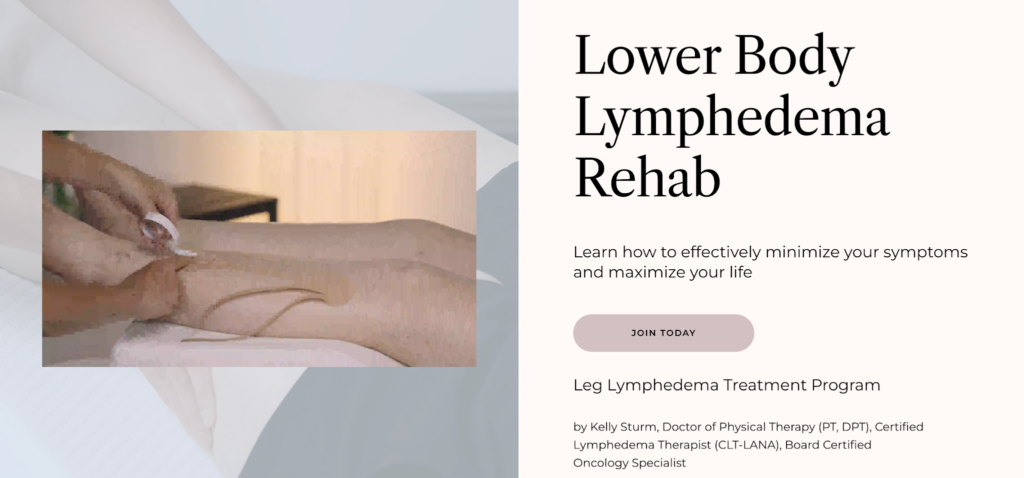
Join Lower Body Lymphedema Rehab and start building a lymphedema management routine that fits into your everyday life!
I also have more resources to help you with manual lymphatic drainage massage and physical therapy exercises, which I’m linking below: