If you’re wondering how to detox your lymphatic system naturally, I want to clear something up right away: your lymphatic system doesn’t need “detoxing” in the way ads or social media posts claim. It’s already designed to remove waste from your body on its own.
That said, your lymphatic system can definitely use some support to work more efficiently.
As a Certified Lymphedema Therapist (CLT-LANA) and Doctor of Physical Therapy (PT, DPT), I’m going to share 7 evidence-based ways to help your lymphatic system function better.
These are all natural approaches you can try at home, as long as you’re following reputable guidance.
What Is the Lymphatic System?
Your lymphatic system is a network of vessels and nodes that runs throughout your entire body. It collects extra fluid, waste products, and toxins from your tissues and filters them out through your lymph nodes before returning the clean fluid to your bloodstream.
Unlike your circulatory system, which has your heart pumping blood through your body, your lymphatic system is part of your immune system and doesn’t have a pump. It relies on your natural muscle movement and breathing to move lymph fluid along.
Your lymph system works automatically and continuously to keep your body clean and balanced.
It doesn’t respond to a “detox” because it’s not dirty or backed up with toxins that need to be flushed out by a special diet or supplement. What you can do is support your lymphatic system so it moves fluid more efficiently and does its job better.
You might find it helpful to take a look at this lymphatic system diagram.
How Do I Know If My Lymphatic System Is Clogged?
When your lymphatic system isn’t flowing well, you’ll usually notice some physical signs, such as:
- Swelling or puffiness in your hands, feet, ankles, or face that comes and goes throughout the day
- A feeling of heaviness or tightness in your limbs, especially after sitting or standing
- Stiffness in the morning that improves once you start moving around
- Frequent colds or infections, since your lymphatic system plays a major role in immune function
- Brain fog or fatigue that doesn’t improve with rest
These symptoms are different from lymphedema, which is a chronic condition where your lymphatic vessels are damaged or blocked. Lymphedema causes persistent swelling that doesn’t go away on its own and typically affects one area of your body, like an arm or leg.
Regular swelling from sluggish lymph flow is temporary and responds well to movement and lifestyle changes, while lymphedema needs ongoing medical management.

7 Natural Ways to Support Your Lymphatic Drainage
1. Manual Lymphatic Drainage Massage
Lymphatic drainage massage is a massage technique that uses light, rhythmic strokes to encourage lymph fluid to move through your system. You can do it on your entire body or just on areas with the largest amount of fluid buildup.
For example, it can help if you’re prone to face swelling.
You can book sessions with a certified lymphedema therapist, but I also recommend learning lymphatic drainage techniques and how to do this massage yourself at home. That way, you can make it part of your morning or evening routine.
A simple 5-10 minute session can reduce puffiness and swelling a lot.
Just make sure you’re learning proper techniques from a qualified professional, not from beauty tutorials that might use incorrect methods. Here are a few helpful guides:


To help you visualize, see these before and after of lymphatic drainage massage.
2. Dry Brushing
To dry brush your body, you can use a natural-bristle brush on your dry skin before showering. You should brush in long, sweeping strokes in the natural direction of lymphatic flow in your body.
There are many benefits of dry brushing because it’s a kind of lymphatic drainage massage. I recommend dry brushing as part of your morning routine because it’s quick and easy to do before you shower.
Use light pressure and always brush toward your lymph nodes (in your armpits, groin, and neck). The brushing stimulates the lymphatic vessels under your skin and helps move fluid along.
Learn how to dry brush + follow my recommended routine!


Dry Brushing to the Neck and Face for a Healthy Lymphatic System – Digital


3. Vibration Plates
A vibration plate is a platform that vibrates at different frequencies while you stand or exercise on it. The vibrations create small muscle contractions throughout your body, which help push fluid through your lymph vessels.

This is a newer form of exercise for lymphatic support, but research has already found that vibrations have a positive effect on the superficial lymphatic system.
You don’t need to do intense workouts on a vibration plate. Even just standing on it for 10-15 minutes can help stimulate lymph flow.
Learn more about the benefits of vibration plates for lymphatic drainage, or get started with building your own routine to reduce swelling:


4. Rebounder Workouts
A rebounder is a small trampoline that you can use indoors. Bouncing on a rebounder helps lymph fluid move through your vessels because the up-and-down motion contracts and relaxes your muscles.
Studies have shown that bouncing on a mini trampoline is 68% more efficient than running because it uses less energy and places less stress on your cardiovascular system and joints. You don’t need to do complicated routines! Gentle bouncing for 10-20 minutes is enough to get your lymph flowing.
I like rebounders because they’re easy on your joints yet great at helping with lymphatic sluggishness. Here are my recommended brands:


5. Deep Breathing
Deep breathing exercises activate the deeper parts of your lymphatic system. It may sound simple, but when you breathe deeply, your diaphragm moves up and down, which creates pressure changes that help push lymph fluid and reduce fluid retention.
Breathing deeply during the day is helpful, but you can also try intentional deep breathing exercises where you focus on belly breathing. You can add this to your morning routine, take a midday break to practice, or do it before bed.
It’s simple but surprisingly effective for lymphatic flow!
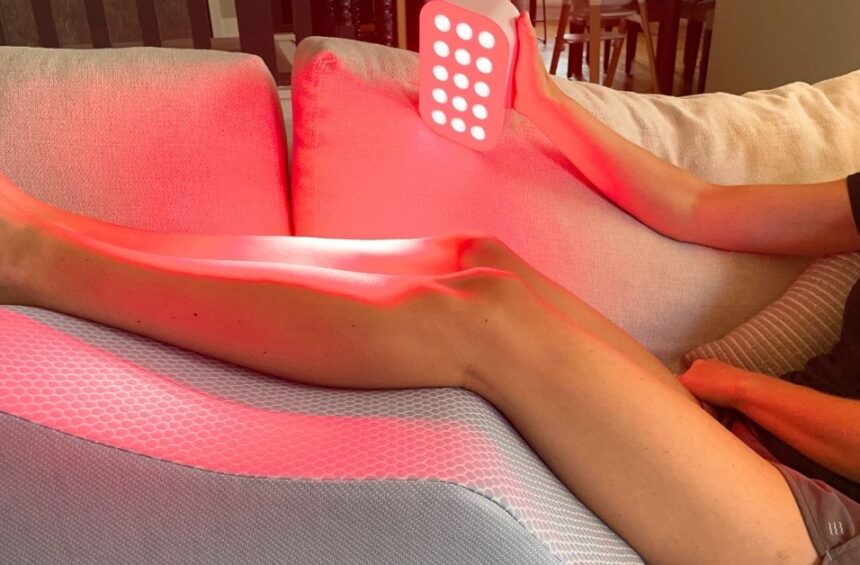
6. Red Light Therapy
Red light therapy uses specific wavelengths of light that penetrate your skin and stimulate cellular function. This therapy can help reduce inflammation, remove cellular waste, and filter out excess fluid.
Many clinics offer professional treatments, but you can also buy a red light therapy device and use it at home. You can combine it with techniques like lymphatic massage or dry brushing to support your fluid balance.


7. Regular Movement
While I do recommend vibration plate exercises and rebounder workouts, virtually any form of movement helps your lymphatic system because your lymph vessels rely on muscle contraction to push fluid along.
Here are some activities you can try:
- Walking
- Hiking
- Swimming
- Pilates
- Dancing
- Cycling
- Weight lifting
You don’t have to work out for hours every day, but it’s important to turn movement into a habit and a regular part of your daily life.
I always recommend my patients to find a form of movement they enjoy and can stick with long-term. A 20-minute daily walk you’ll maintain for years is much better for your lymphatic system than signing up for an intense class you get excited about but abandon after a week.
Consistency matters more than intensity when it comes to supporting lymphatic drainage!
How Do You Feel When Your Lymphatic System Is Draining?
When your lymphatic system is draining well, you’ll notice less swelling and puffiness throughout the day. Your face won’t look as puffy in the morning, your rings will fit better, and you won’t get a heavy feeling in your legs after sitting for a while.
If you’re not consistent about supporting your lymphatic system and you’re prone to swelling, the puffiness will likely come back. Morning swelling is a common example of that.
This is why I recommend building a routine that includes multiple lymphatic support methods. Think of it like having a toolbox where you can pull different tools depending on what you need that day. For example, some days you might do dry brushing, or you might use a vibration plate or go for a walk.
Having options makes it easier to stay consistent!
FAQs
These are questions people often ask me at the physical therapy clinic. The overarching answer is that there isn’t a single food, drink, vitamin, or exercise that fixes your lymphatic health.
Supporting your lymphatic system is a combination of eating healthy, moving regularly, getting enough sleep, and staying hydrated.
While some things may be more helpful than others (vibration plates, for example, have good research behind them), there isn’t one thing that’ll completely get rid of swelling or work as a magic natural fix.
Does lemon water drain the lymphatic system?
Lemon water doesn’t drain your lymphatic system, but staying hydrated does help lymph fluid move more easily through your vessels. Lemon water is just water with lemon in it. The lemon itself doesn’t have special lymphatic drainage properties. If drinking lemon water helps you drink more water throughout the day because you like the taste better, then it’s helpful for hydration. But plain water works just as well for supporting your lymphatic system.
What can I drink to drain my lymphatic system?
Water is the most important thing you can drink for lymphatic health. Your lymph fluid is mostly water, so staying hydrated keeps it flowing smoothly through your vessels. Some people ask about herbal teas or special drinks, but there’s no evidence that specific beverages drain your lymphatic system better than plain water. Also, avoid drinking too much alcohol or sugary drinks, as these can contribute to inflammation and fluid retention, which makes lymphatic drainage harder.
What fruit is good for lymphatic drainage?
Fruits that are high in water content and antioxidants can support your overall health, which helps your lymphatic system function better. Berries, watermelon, citrus fruits, and pineapple are all good choices because they provide hydration and nutrients that reduce inflammation. But no single fruit will drain your lymphatic system on its own. Eating a variety of fruits as part of a well-balanced diet supports your body’s natural processes, including lymphatic function.
What is the best exercise for lymphatic drainage?
There isn’t one best exercise for lymphatic drainage. Movement in general is what helps your lymphatic system. That said, rebounder workouts and vibration plate exercises can be very helpful because they create rhythmic muscle contractions that pump lymph fluid through your vessels. Walking, swimming, and yoga are also popular choices. But ultimately, the best exercise for you is one you’ll do consistently.
Do bananas help lymphatic drainage?
Bananas don’t specifically help lymphatic drainage, but they do provide potassium, which helps balance fluid levels in your body. Too much sodium and not enough potassium can lead to fluid retention, so eating potassium-rich foods like bananas, sweet potatoes, and leafy greens can help reduce swelling. But eating bananas alone won’t drain your lymphatic system. It’s just one small piece of supporting your overall health and fluid balance.
So, How Do You Flush Out Your Lymphatic System?
Many people are wondering how to detox your lymphatic system naturally. There are a few things that go into “flushing out” your lymphatic system, and they often look different from person to person.
Overall, regular movement, manual lymphatic drainage massage, deep breathing exercises, staying hydrated, and eating a balanced diet all work together to keep your lymph flowing well.
I have helpful guides that can help you get started with lymph-friendly techniques like vibration plates, rebounder workouts, and manual lymphatic drainage:
Dry Brushing to the Neck and Face for a Healthy Lymphatic System – Digital
You can also follow my FREE Lymph Reset Program to build a well-rounded routine that supports your lymphatic health long-term!