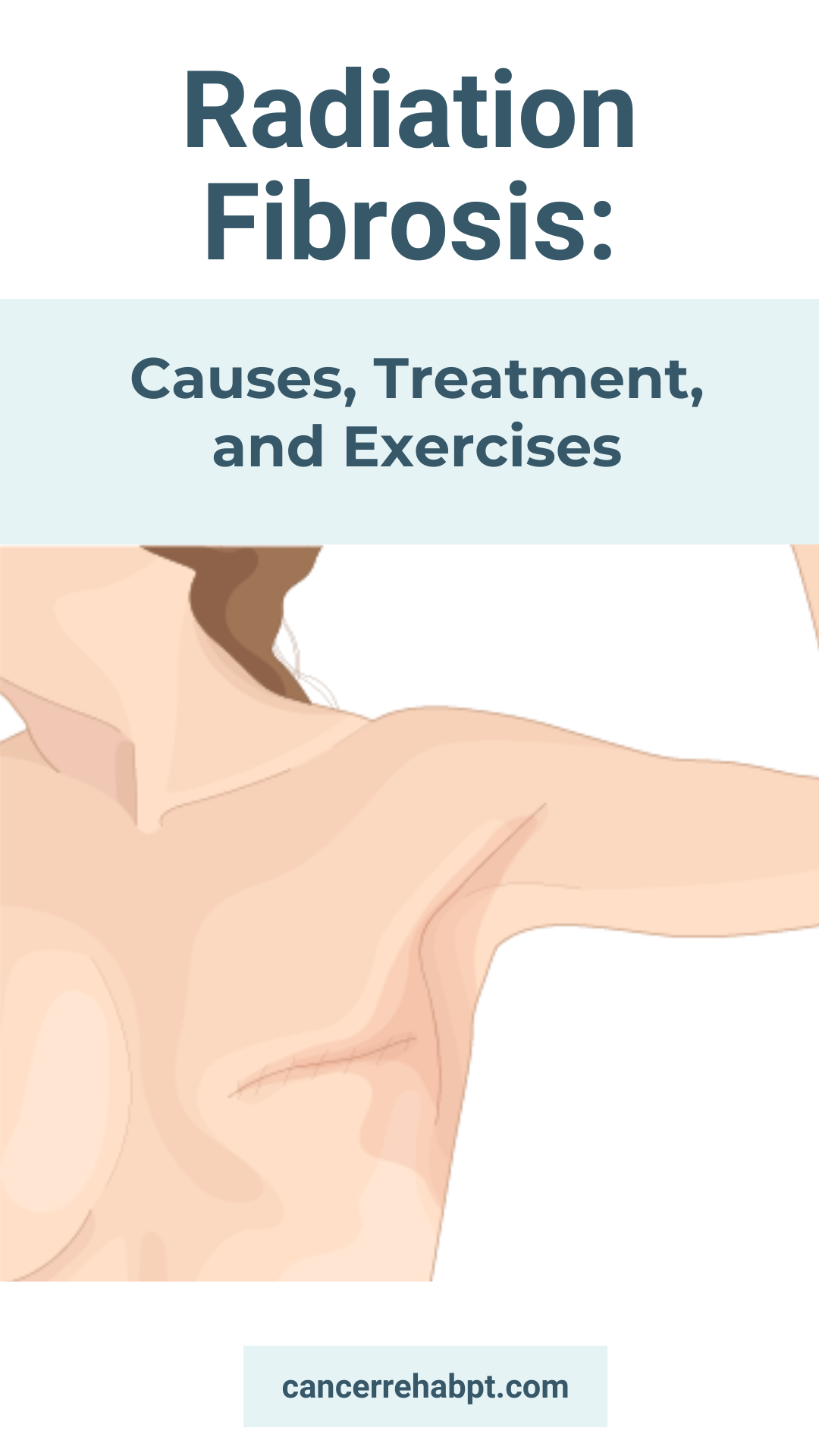


A common symptom of lymphedema is swelling in your legs or arms. However, if you’re starting to notice that they are becoming hard and stiff, or your skin is thickening, these could be signs of fibrosis. What exactly is fibrosis and how can you avoid getting it if you have swelling or lymphedema?
My name is Kelly, and I am a certified lymphedema therapist. I specialize in working with those who have lymphedema and those recovering from breast cancer. Fibrosis is one of those complications that catches people off guard. The good news? There are ways to manage it and prevent it from getting worse.
Let me walk you through what fibrosis actually is, how to spot it early, and what treatment options really work for someone that does develop hard, thickening skin.
What is Fibrosis?
Fibrosis happens when your body’s healing response goes into overdrive, creating thick, hardened tissue where you have swelling.
Here’s how I explain it to my patients: Think of spackling a small crack in your wall. A thin layer does the job perfectly. But if you keep adding more and more spackle, that spot becomes hard, bumpy, and stiff. That’s basically what’s happening with fibrosis – your body keeps trying to “fix” the problem by laying down extra tissue, but instead of helping, it makes the area harder and more difficult to treat.
How Fibrosis Can Affect Lymphedema
Your lymphatic system is supposed to drain fluid from your tissues and keep everything flowing smoothly. But when lymphedema develops, that fluid backs up and sits in your tissues longer than it should.
Your body sees this as damage and sends in repair cells to help. These cells create fibrous tissue (kind of like internal scar tissue) to try to fix the problem. The trouble is, this extra tissue actually blocks lymphatic pathways even more, creating a cycle where swelling leads to fibrosis, which leads to more swelling. This is why treating lymphedema is so critical; it helps prevent fibrosis from taking hold.
I’ve seen this progression happen many times. The key is catching it early, when you have more options to manage it effectively.
How Fibrosis Affects Different Lymphedema Stages:
Lymphedema gets classified into stages, and fibrosis plays a bigger role as the condition progresses:
- Stage 0-1: Minimal fibrosis. Swelling is still soft and can often be reversed with treatment.
- Stage 2: Fibrosis starts forming. The swollen area feels firmer, and when you press on it, it doesn’t leave as deep of an indentation.
- Stage 3: Significant fibrosis with hardened tissue that’s much more challenging to soften.
This is why I always tell my patients: the earlier you address lymphedema, the better your outcomes. Fibrosis becomes harder to treat as it progresses, so getting help from a lymphedema therapist when you first notice changes makes a real difference.
Signs and Symptoms of Fibrosis

Being aware of fibrosis warning signs helps you identify it in its early phases, before the condition worsens.
Common indicators of fibrosis include:
Changes in Texture
The most obvious sign is how the area feels:
- The swollen area becomes firm or hard to the touch
- It might feel “woody” or dense, almost like thick rubber
- Your skin loses its bounce-back quality
- Tissue takes on a thick, almost rubber-like consistency
Changes in Swelling
Fibrosis affects how your body handles fluid:
- When you press on the swollen area, it doesn’t leave an indentation anymore (we call this non-pitting edema)
- Elevating your arm or leg doesn’t reduce the swelling like it used to
- The area feels heavy and full, even when you’re wearing compression garments
- Treatments that worked before don’t seem to help as much
Changes in Skin
Your skin often shows visible signs:
- The skin looks and feels thicker
- The surface becomes rougher or changes texture
- You might notice discoloration or darkening in some areas
- In progressed cases, small bumpy formations may develop (called papillomas)
- Skin creases and folds become more defined and deeper
Changes in Function
Fibrosis affects how you move and function:
- Your joints feel stiffer and harder to bend
- Moving the affected arm or leg takes more effort
- Your range of motion decreases
- Simple tasks that used to be easy become more challenging
If you’re noticing any of these changes, it’s important to reach out to your healthcare team. Early intervention really matters.
Fibrosis Treatment Options
If you’ve developed fibrosis, there are several treatment approaches that can help soften the tissue and reduce the hardening. The best results usually come from combining multiple techniques rather than relying on just one.
Manual Techniques
Lymphatic drainage is a common lymphedema treatment used to help reduce swelling by moving lymphatic fluid out of the congested area. When I’m doing lymphatic drainage and reach an area with fibrosis, I pause and spend 2-5 minutes working that specific spot. The technique is similar to gently kneading dough—applying gentle pressure and mobilizing the tissue in different directions. This helps break up the hardened tissue and improve lymphatic flow.
Some therapists use tools such as
- Cups: These help lift thickened tissue and increase blood flow to the area
- IASTM tools: These are more intensive, so they should only be used by trained professionals and never on broken or unhealthy skin
- Massage rollers: Can help with surface-level tissue mobilization
- Low-level lasers: These penetrate deeper into the tissue to reduce inflammation
The key is finding what works for your specific situation. What helps one person might not work the same way for another.
Compression Treatments
Compression is crucial for managing fibrosis. Short-stretch bandages are the gold standard for reducing both swelling and softening hardened tissue.
The technique involves layering special foams and paddings under the bandages. These layers add comfort and make a significant difference for stubborn swelling and fibrosis. Some products I use with my patients include:
Thuasne Mobiderm: Contains chipped foam pieces that help soften tissue
Juzo SoftCompress products: Various styles that work well for different body areas
Nighttime Wraps: Some people need these for consistent overnight compression


The general idea with compression therapy is to utilize a product that has the chipped foam or more layers, and then give compression around that. This creates a gentle “kneading” effect as you move throughout the day.
For some people, compression is only needed short-term over a few weeks. Others find they need to use it daily as prevention. Everyone’s different.
Exercise
Exercise is an important treatment strategy for those with fibrosis or those hoping to prevent it.
When you exercise, your muscles activate and help move lymphatic fluid naturally through your body. This prevents fluid from sitting in one place and forming more fibrosis. Plus, fibrosis can cause muscles to become weak and tight, so exercise helps maintain muscle strength and flexibility.
Helpful exercises for lymphedema include:
- Lymphatic health cardio workouts
- Swimming, walking, and other low intense cardio
- Vibration plate exercises
- Rebounder workouts
- Pilates exercises for the lymphatic system
The best exercise is one you’ll actually do consistently. Find something you enjoy. That’s what matters most.
Surgical Interventions
When fibrosis is severe and conservative treatments aren’t working well enough, surgery can be an option.
Liposuction removes excess fat and fibrous tissue from the swollen area. This can provide significant improvement for some people with advanced fibrosis.
Lymphaticovenous anastomosis (LVA) creates new pathways for lymphatic fluid to drain. This surgery reconnects lymphatic vessels to small veins, giving the fluid an alternate route.
Some patients benefit from both procedures. A specialized surgeon can assess your specific situation and recommend what might work best for you. Surgery isn’t right for everyone, and it still requires ongoing lymphedema management afterward.
Can You Prevent Fibrosis?

The best way to prevent fibrosis is to manage your lymphedema consistently from the start. Here’s what helps:
- Get treatment early: Don’t wait until swelling becomes severe. See a certified lymphedema therapist as soon as you notice changes.
- Wear compression as prescribed: This keeps fluid from building up and sitting in your tissues.
- Move your body regularly: Exercise helps lymphatic fluid keep flowing.
- Practice lymphatic drainage: Whether you see a therapist or do it yourself at home, this helps prevent fluid buildup.
- Take care of your skin: Keep it clean, moisturized, and protected to prevent infections that can worsen lymphedema.
Remember, everyone’s lymphedema journey is different. What works perfectly for someone else might need adjusting for you. Stay in close contact with your lymphedema therapist so they can help you find the right combination of treatments.
Final Thoughts
Managing fibrosis means trying different approaches to find what works for your body. By combining techniques like manual therapy, compression, exercise, and other treatments, you can soften hardened tissue, reduce discomfort, and get back to doing the things you love.
The most important thing? Don’t wait. Fibrosis becomes harder to treat the longer it’s there, so getting help early gives you the best chance for improvement.
Frequently Asked Questions
How do you break up fibrotic tissue from lymphedema?
Breaking up fibrotic tissue requires a combination of treatments. In my clinic, I use manual techniques that are similar to kneading dough – gently mobilizing the tissue while doing lymphatic drainage. Compression with special foams underneath also helps soften the tissue over time. Some patients benefit from low-level laser therapy or other advanced treatments. The key is consistency! Fibrotic tissue doesn’t soften overnight, but with regular treatment, most people see improvement.
Is fibrosis reversible in lymphedema?
Unfortunately, fibrosis can’t be completely reversed once it develops. However, you can soften it, reduce symptoms, and prevent it from getting worse. The earlier you start treatment, the better your results will be. I always recommend starting as early as possible and staying consistent with your care routine. I’ve seen patients make significant improvements even with long-standing fibrosis when they commit to treatment.
What stage of lymphedema has fibrosis?
Fibrosis typically starts becoming noticeable in Stage 2 lymphedema, when the tissue begins feeling firmer and doesn’t respond to elevation as well. By Stage 3, fibrosis is significant and the tissue is quite hard. However, even mild fibrosis can start forming in earlier stages. This is another reason why early treatment matters – you can prevent fibrosis from progressing to more advanced stages.
What is the gold standard treatment for lymphedema?
Complete Decongestive Therapy (CDT) is the gold standard for lymphedema treatment. CDT includes manual lymphatic drainage, compression therapy (bandaging and garments), exercise, and skin care. For fibrosis specifically, we add targeted manual techniques and specialized compression with foam layers. Every person needs a treatment plan tailored to their specific needs, which is why working with a certified lymphedema therapist makes such a difference.