

Caring for your lymphatic system is crucial for your overall health, especially when managing conditions like lymphedema or lipedema. These conditions often cause symptoms such as swelling, poor circulation, and fatigue, which can affect your daily routine. The good news? There are simple and effective ways to help manage your lymphedema or lipedema symptoms and improve your quality of life.
👋 Hello, I’m Kelly Sturm, a Doctor of Physical Therapy (PT, DPT) and a Certified Lymphedema Therapist. I share helpful resources for those living with lymphedema and lymphatic health concerns. Subscribe to my YouTube Channel, get my free guides, or
In this post, I’ll guide you through a simple 20-minute seated lymphedema exercise routine. These easy-to-follow and low-impact leg and arm exercises are designed to stimulate your lymphatic system, encourage fluid drainage, reduce swelling, and improve circulation.
Benefits of Lymphatic Exercise for Lymphedema and Lipedema
Before we dive into the exercises, let’s take a moment to understand why these seated movements are effective for managing lymphedema and lipedema.
One of the main symptoms of both lymphedema and lipedema is swelling, which can lead to pain and discomfort. Regular physical activity, in addition to other self-care practices such as manual lymphatic drainage and compression therapy, can help stimulate the flow of lymph fluid throughout the body, which can help reduce swelling in affected areas such as the legs and arms. Low-impact exercises can also help improve flexibility, range of motion, and energy levels.
In addition, gentle exercises, like those in the routine below, help boost blood flow and activate your lymph system, which is essential for optimal lymphatic drainage. Having a healthy lymphatic system supports fluid balance and supports your body’s natural detoxification process.
With these benefits in mind, let’s jump into this 20-minute seated exercise routine.
20-Minute Seated Lymphedema and Lipedema Exercise Routine
You won’t need any special equipment for this routine, just a sturdy chair.
Each exercise is performed slowly and gently, ensuring effectiveness without straining your body. By following this routine, you can actively support your lymphatic health, all while staying comfortable in your chair.
Key Considerations for Seated Lymphedema Exercises
Before starting any new exercise routine, consult with your doctor or a certified lymphedema specialist, especially if you have chronic pain or you’re managing lymphedema or lipedema. While these exercises are low-impact and gentle, everyone’s body is different.
As you follow the arm and leg exercises, always listen to your body. If you feel discomfort, modify or skip the movement. The key is consistency, not intensity. Regular, gentle movement will yield optimal results over time.
Workout Instruction, Details, and Equipment
If you prefer to follow along, you can join me for this 20-minute seated exercise routine for lymphedema and lipedema, available on YouTube.
Workout Details
- Length: 20 minutes. Each exercise is performed for 1 minute, making this a full-body routine that fits into a short time frame.
Equipment Needed
- Chair: A sturdy chair for seated arm and leg exercises.
- Water: Stay hydrated throughout the workout to support your lymphatic system. No other equipment is needed, making this routine simple to do at home.
Workout Routine
- Deep Belly Breathing
- Neck Rolls
- Shoulder Rolls
- Arm Circles
- Chest Openers
- Side Bends
- Toe Tapping
- Leg Lifts
- Side Steps
- Seated Heel and Toe Raises
How to Perform Seated Lymphatic Exercises
Follow these steps for each exercise, taking your time and focusing on slow, controlled movements.
1. Deep Belly Breathing
- Sit upright in a comfortable position with your feet flat on the floor and hands on your abdomen.
- Inhale deeply through your nose, expanding your belly.
- Exhale slowly through your mouth, feeling your belly contract.
- Repeat for 60 seconds, focusing on slow, controlled breaths.
2. Neck Rolls
- Sit upright with your knees bent, feet flat on the floor and arms by your sides.
- Slowly lower your chin towards your chest, feeling the stretch in your neck.
- Gently roll your head to the right, bringing your ear toward your shoulder.
- Continue the roll backwards and around to the left, making a full circle.
- Repeat in both directions for 60 seconds, being mindful of any tightness.
3. Shoulder Rolls
- Sit upright with your knees bent, feet flat on the floor and arms by your sides.
- Roll your shoulders up towards your ears in a smooth, controlled motion.
- Move them back and down, squeezing your shoulder blades together.
- Complete the roll by bringing your shoulders forward and down.
- Repeat in a slow, rhythmic motion for 60 seconds, alternating between forward and backward rolls.
4. Arm Circles
- Sit upright in a comfortable position with your feet flat on the floor. Extend your arms out to the sides, keeping them parallel to the ground.
- Begin making small, controlled clockwise circles with your arms, rotating forward.
- Complete 10 circles in one direction and then switch directions.
- If you experience discomfort, make the circles smaller or lower your arms.
- Continue this motion for 60 seconds.
5. Chest Openers

- Sit upright with your feet flat on the floor. Place your hands lightly behind your head, elbows pointing forward.
- Slowly open your elbows wide, squeezing your shoulder blades together as you open your chest.
- Bring your elbows back in front of you, closing them gently.
- Repeat this movement in a slow, controlled manner for 60 seconds, focusing on opening up the chest and stimulating lymph flow in the upper body.
6. Side Bends

- Sit upright with your feet flat on the floor and arms by your sides.
- Slowly lift one arm overhead and bend your torso to the opposite side, reaching towards the ceiling.
- Hold for a second, then return to the starting position.
- Switch sides.
- Repeat this side-to-side motion at a controlled pace for the full 60 seconds.
7. Toe Tapping

- Sit upright with your feet flat on the floor, and arms by your sides.
- Lift one leg and rotate your torso gently to tap your foot with your opposite hand, then lower the leg.
- Lift your other leg, rotate your torso, and tap your foot with your opposite hand.
- Continue alternating taps in a controlled, rhythmic motion for 60 seconds.
- To modify the stretch, you can tap the shin of your leg or your knee instead of your foot.
8. Leg Lifts
- Sit upright with your feet flat on the floor.
- Slowly bring one knee toward your chest, then extend your leg out in front of you.
- Lower your leg back to the starting position and repeat with the other leg.
- Continue alternating leg lifts for 60 seconds, focusing on controlled movements to improve circulation in your legs and stimulate lymphatic flow.
9. Seated Side Steps

- Next, we are going to work on the outside and inside of the leg muscles.
- Sit up nice and tall with your feet flat on the floor, and arms by your sides.
- Step one foot out to the side, keeping your upper body facing forward.
- Bring your foot back to the center and repeat with your other foot.
- Continue alternating side steps, maintaining a smooth and controlled pace for 60 seconds.
10. Seated Toe and Heel Raises

- Our last movement is going to focus on our calf muscles.
- Sit upright with your knees bent, feet flat on the floor, and arms by your sides.
- Slowly raise your heels off the floor, keeping your toes on the ground, then lower your heels.
- Next, lift your toes off the floor while keeping your heels planted.
- Alternate between heel raises and lifting your toes in a smooth, controlled motion for 60 seconds.
- If you are prone to getting muscle cramps, make sure you take it nice and slow.
Once you’ve finished all the exercises from top to bottom, it’s important to reverse the flow. This step helps make sure your lymphatic system is fully activated and that lymph fluid moves efficiently throughout your body. If you are feeling tired, make sure you are going slow and taking breaks as needed.
This simple practice can make a big difference in keeping your lymph circulation steady and helping to manage your lipedema or lymphedema symptoms.
Final Thoughts
Incorporating this 20-minute seated exercise routine with a specific sequence into your day is a gentle and effective way to support lymphatic drainage by stimulating the lymph nodes and getting the lymphatic fluid pumping through the lymph vessels in the correct direction.
If you’re looking for a guide with more ways to manage lymphedema, click here to obtain the free printable Lymphedema Self-Care E-Guide, including self-management tools and tracking sheets to help you design your personalized care plan.
Additional Tips for Lymphatic Health
In addition to doing these exercises, there are other ways you can help support your lymphatic health:
- Stay Hydrated: Drinking enough water helps your body move lymph fluid properly.
- Eat a Balanced Diet: A diet rich in anti-inflammatory foods like fruits, vegetables, and healthy fats can support your lymphatic system.
- Move Throughout the Day: Add low-impact exercises into your exercise regimen. Even small movements like walking, stretching, or aqua aerobics can make a big difference in keeping your lymphatic system working properly.
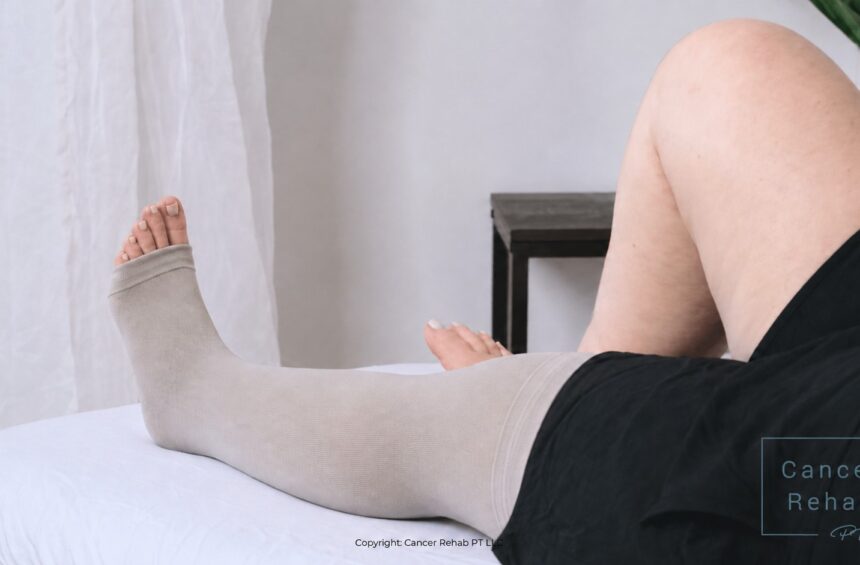
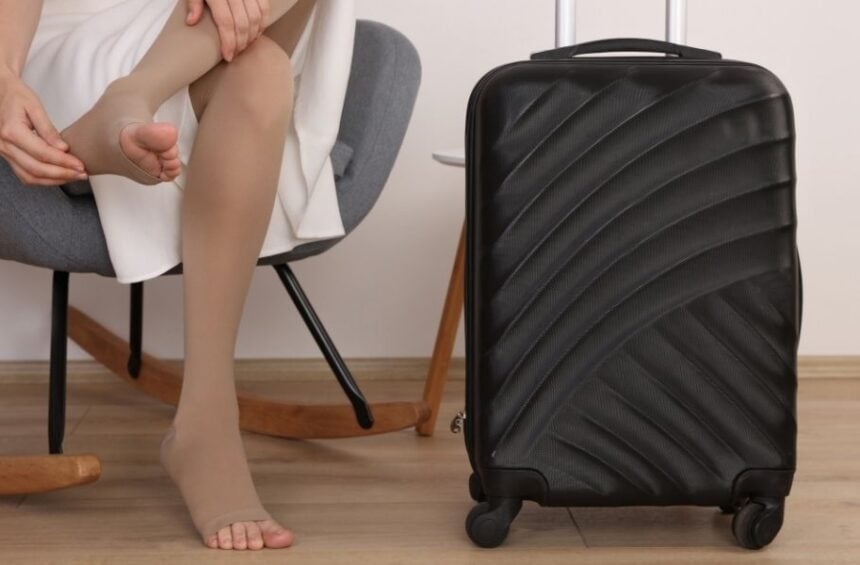
- Compression Therapy: Wearing compression garments while completing your regular exercise may help decrease swelling.
- Manual lymphatic drainage: Adding manual lymphatic drainage to your weekly self-care routine can help move lymph fluid through your lymph vessels and improve flow.
Take Control of Your Lymphatic Health
Caring for your lymphatic system doesn’t have to be complicated. By incorporating exercise into your routine and adding in additional self-care treatments such as lymphatic massage and wearing compression garments, you can help manage your symptoms.
For additional guidance and resources, be sure to subscribe to my YouTube channel and explore my digital downloads designed to support lymphatic health. You can find simple lymphedema workout routines in this YouTube Playlist.
To learn stretches, techniques, and exercises that you can do at home to manage leg lymphedema, see my comprehensive Lower Body Lymphedema Program.
Frequently Asked Questions
What exercises are good for lipedema and lymphedema?
The best exercises for lipedema and lymphedema are those that someone can do consistently. However, low-impact movements such as walking, swimming, or water aerobics can be very beneficial in improving lymphatic drainage without putting too much strain on one’s body.
What exercises should you avoid with lymphedema?
There isn’t a specific kind of exercise that is bad for all lymphedema, but it’s important to always start low and slow with any new exercise to avoid a flare-up. Also, avoid exercises that cause pain or discomfort or that you notice makes your swelling worse – but this may vary person to person.
How can I increase lymphatic drainage in my legs?
You can use a combination of manual lymphatic drainage, exercise, and deep breathing. Integrating these practices into your daily routine consistently is the best way to drain and mobilize the lymphatic system. Adding in compression garments can also be helpful for those who have lymphedema or other lymphatic congestion.
What is the difference between lipedema and lymphedema?
Lymphedema is a lymphatic system disorder that develops when your body doesn’t have a good flow of lymph fluid. Lipedema is a condition where your fat cells abnormally accumulate and create symmetrical swelling in the legs and sometimes the arms. It almost exclusively affects women.
For more detailed information on the differences between lipedema and lymphedema, check out this blog post.