

What you eat matters when you have lymphedema.
I’m Kelly Sturm, a physical therapist and certified lymphedema therapist (CLT-LANA). I work with people who have lymphedema every day. Most of them have questions about diet and nutrition recommendations while managing their lymphedema.
The honest answer is that there is no single best lymphedema diet. But there are a few diets that have research showing they work for people with lymphedema. We are going to go through each one so you can understand your options.
What Is the Best Diet for Lymphedema? Evidence-Based Options Explained
No one diet works well for every person. But a few patterns come up again and again in the research.
An anti-inflammatory diet gets the most overall support. The Mediterranean diet fits into this category too, and has strong research behind it. A ketogenic diet (very low-carb, high-fat) has newer but promising evidence. It is especially worth looking into if you have lymphedema and obesity, or if you have lipedema.
In my guide on Lymphedema Diet: Can You Reduce Swelling With Food?, I break down how these dietary shifts work alongside traditional treatments to help keep symptoms at bay. Which approach is right for you depends on your body, your other health conditions, and what you can actually stick with. Working with a registered dietitian is the best way to figure that out.
Here is a closer look at each approach.
How Weight Loss Helps Reduce Lymphedema Swelling
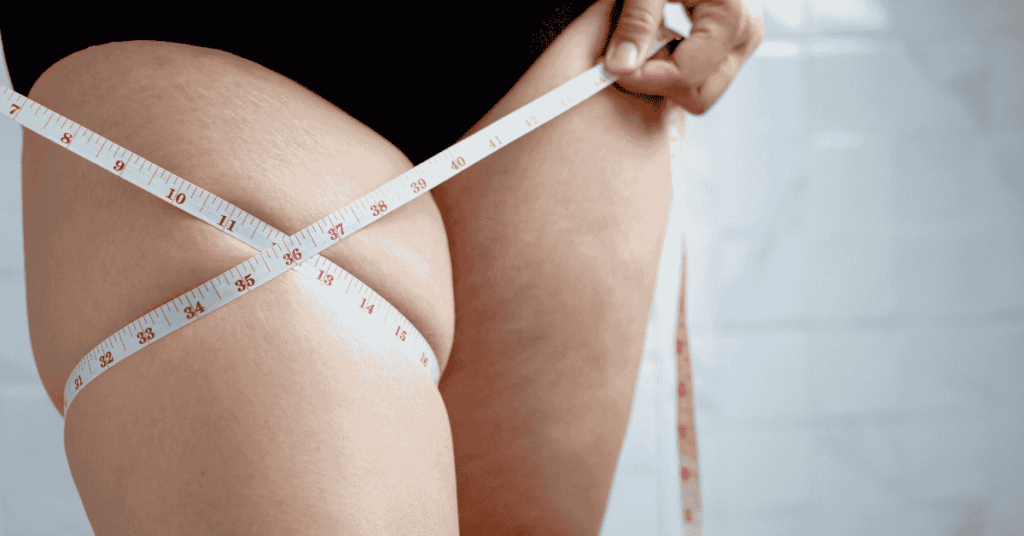
Being overweight is one of the biggest risk factors for lymphedema.
When there is extra fat tissue pressing on the lymph vessels and lymph nodes, those structures cannot do their job well. Fluid backs up. Swelling gets worse. Over time, the tissue in the affected area can start to harden and thicken.
This is called fibrosis (scarring of the tissue). Research shows that obesity can cause lymphedema on its own, even without surgery, just by pressing on and damaging lymph vessels.
Losing weight helps. I see this with my own patients. When someone loses even 10 to 15 pounds, the swelling in their arm or leg often goes down. The heaviness and tightness improve too.
A 2025 pilot randomized controlled trial of overweight women with breast cancer-related lymphedema found that participants who achieved at least 5% weight loss experienced greater reductions in arm swelling. Their affected limb volume decreased by an average of about 665 mL, compared with about 396 mL among women who lost less than 5% of their body weight.
Losing weight comes down to eating fewer calories than you burn. What that looks like day to day is different for everyone. A dietitian can help you build a plan that works for your life.
Does the Ketogenic Diet Help Lymphedema?
The ketogenic diet (often called keto) is a very low-carb, high-fat way of eating. Your body shifts to burning fat for fuel instead of sugar. This is a newer area in lymphedema research, but the early results are interesting.
A 2017 pilot study published in the American Journal of Lifestyle Medicine followed 12 participants with lymphedema and obesity for 18 weeks as part of a lifestyle modification program that encouraged a ketogenic diet. Participants who used a ketogenic diet showed a tendency toward greater weight loss and greater reductions in limb volume compared with those who did not. Overall, the average affected limb volume decreased by about 699 mL.
Keto may help in two ways. First, it works well for fat loss, which takes pressure off the lymph vessels. Second, keto seems to lower inflammation in the body. Inflammation (the immune system staying activated) makes lymphedema worse over time.
I do not recommend keto for every patient. It is not easy to follow, and it is not right for everyone. But if you are working with your doctor on weight and lymphedema, it is worth asking about.
Anti-Inflammatory Diet for Lymphedema
Lymphedema is not just a fluid problem. It involves ongoing inflammation, too.
When the lymph system is damaged or blocked, the body sends out immune signals that keep the area inflamed. That inflammation (swelling caused by the immune system, not just fluid) can make the tissue get firmer and harder to treat over time.
An anti-inflammatory diet focuses on foods that calm those signals. It cuts back on foods that make them worse. It does not replace your compression garment or other treatments. It works alongside them.
Foods That Help with Lymphedema
- Fatty fish like salmon, sardines, and mackerel: these are high in omega-3 fats, which help lower the immune signals that cause swelling
- Leafy greens like spinach and kale: packed with antioxidants that protect cells
- Berries like blueberries and strawberries: contain plant compounds that reduce cell damage
- Olive oil: has a natural compound that works similarly to anti-inflammatory medicine at low doses
- Turmeric and ginger: both block some of the enzymes that drive inflammation
- Walnuts, flaxseed, and chia seeds: plant sources of omega-3 fats and fiber
- Whole grains like brown rice, oats, and quinoa: keep blood sugar steadier than white bread or white rice, which helps reduce inflammation
Foods That May Make Lymphedema Worse
- Added sugar and white flour products: spike blood sugar and drive inflammation throughout the body
- Highly processed packaged foods: tend to be high in sodium, bad fats, and additives that increase inflammation
- Trans fats found in some baked goods and fried foods: increase inflammation in blood vessels and lymph vessels
- Too much caffeine or alcohol: can affect how the body handles fluid and may increase inflammation
The Mediterranean diet pulls most of these ideas together. It focuses on vegetables, fish, olive oil, beans, and whole grains. It limits processed and packaged food. It is one of the most well-studied diets for reducing inflammation, and it is a reasonable fit for lymphedema.
Should You Limit Salt with Lymphedema?
Salt makes your body hold onto water. That is true for everyone, not just people with lymphedema.
When you already have extra fluid sitting in your tissues, eating a lot of sodium adds more. It does not cause lymphedema, and cutting salt alone will not cure it. But eating a high-salt diet on top of lymphedema can make the swelling worse.
A good target for most people is under 2,300 mg of sodium a day. If you have high blood pressure or heart disease, your doctor may suggest staying under 1,500 mg.
Most excess sodium does not come from your salt shaker. It comes from canned soups, frozen meals, cured meats, fast food, and packaged snacks. Reading the nutrition label is the most useful thing you can do.
Does Protein Make Lymphedema Worse?
A lot of my patients have been told to cut back on protein because lymph fluid contains protein. This is a common mix-up.
The protein in your lymph fluid and the protein in your food are not the same thing. Eating less protein does not lower the protein in your lymph fluid. What it does do is cause muscle loss and weaken the tissue under your skin. That actually makes lymphedema harder to manage.
Protein helps your body repair tissue and keep muscles strong. Both of those things matter, especially if you are doing exercises for lymphedema.
Good protein sources like fish, chicken, eggs, and beans fit well with an anti-inflammatory approach. Try to spread protein through your meals rather than loading it all into one sitting.
Should You Drink Less Water with Lymphedema?
No. This is another very common misunderstanding.
Lymphedema swelling is not caused by drinking too much water. The fluid builds up because your lymph system cannot move it out. Drinking less water does not fix that problem.
If you get dehydrated, your lymph fluid actually gets thicker and harder to move. That is the opposite of what you want.
Staying well hydrated supports your lymph system and helps your body flush out waste, especially after a lymphatic drainage session or compression therapy.
Lipedema Diet: Is It Different?
Lipedema is not the same condition as lymphedema.
Lipedema causes a buildup of fat in the legs and hips, almost always in women. It is not caused by eating habits. It is not obesity. It is mostly genetic.
Lipedema causes a buildup of fat in the legs and hips, almost always in women. It is not caused by eating habits. It is not obesity. It is mostly genetic. If you want to dive deeper into the differences, check out my breakdown on Lipedema vs Lymphedema – A Lymphedema Therapist Explains.
The fat that builds up with lipedema does not go away with regular diet and exercise the way normal body fat does. Diet cannot eliminate it. But eating well can slow the condition from getting worse and help manage the inflammation that comes with it.
Several recent studies have looked at ketogenic and low-carb diets for lipedema. They have found improvements in pain, leg swelling, and inflammation. Anti-inflammatory eating is recommended as a base for anyone with lipedema.
If you have lipedema, look for a doctor who knows the condition well. A dietitian with lipedema experience is also a real asset. Standard weight loss advice does not always apply.
Frequently Asked Questions: Lymphedema Diet
What foods should I avoid with lymphedema?
Cut back on processed foods that are high in salt, added sugar, and refined grains like white bread and white rice. These drive up inflammation and make swelling worse. Fried foods, packaged snacks, and alcohol are also worth limiting. A dietitian can help you figure out where to start based on your specific diet.
Does what you eat actually affect lymphedema swelling?
Yes, though not directly. What you eat affects your body weight, inflammation, and how well your body handles fluid. All of those things affect your lymphedema. Food does not replace compression or other treatments, but it supports them. Losing weight has the strongest research behind it for reducing swelling.
Is the Mediterranean diet good for lymphedema?
It is a good fit. The Mediterranean diet lowers inflammation because it is built around vegetables, fish, olive oil, beans, and whole grains. It cuts back on processed food. It is one of the most studied diets for chronic conditions, and it is realistic to follow long-term. If weight loss is also a goal, it can be adjusted to help with that too.
Can I eat salt if I have lymphedema?
You do not need to cut it out completely. Staying under 2,300 mg per day is a solid target. Most excess sodium comes from packaged and processed food, not from cooking at home. Switching to more whole foods is usually more effective than just stopping the addition of salt.
Should I follow a low-protein diet for lymphedema?
No. This is a common mistake. The protein in your lymph fluid has nothing to do with the protein you eat. Cutting protein does not help lymphedema. It causes muscle loss, which makes things worse. Aim for lean protein at each meal instead.
Key Takeaways: How Nutrition Supports Lymphedema Management
There is no single best diet for lymphedema, but eating less processed food, reducing inflammation, managing your weight, and getting enough protein all help your lymph system work better.
The right plan depends on your situation. If you have not talked to a dietitian yet, that is worth doing.
For the physical therapy side of managing swelling, take a look at my comprehensive guide on How to Prevent Lymphedema or browse through the rest of the Cancer and Lymphedema Blog resources on this site.
I hope that helps.