


If you’re preparing for breast cancer surgery, the side effects of lymph node removal in the armpit are important to understand before your procedure.
Removing these nodes can lead to a range of short- and long-term effects. Most of the short-term ones, like soreness, swelling, and a stiff shoulder, ease as you heal.
As an oncology physical therapist and a certified lymphedema therapist (CLT-LANA), the side effect I want you to know most about is lymphedema, a long-term swelling in the arm or hand that can develop months or even years after surgery.
Here’s everything you need to know.
What Are Lymph Nodes?
Lymph nodes are small, bean-shaped glands found throughout your body.
They’re part of your lymphatic system, which helps filter fluid, clear out waste, and support your immune system as it fights off infection. You have hundreds of them, and they gather in certain areas, including your neck, groin, and armpits.
When you hear about “nodes” in the context of breast cancer, it usually means the ones in your armpit, called the axillary lymph nodes. These are often the first place cancer cells spread to, which is why they get so much attention during surgery.
Types of Lymph Node Removal Surgeries
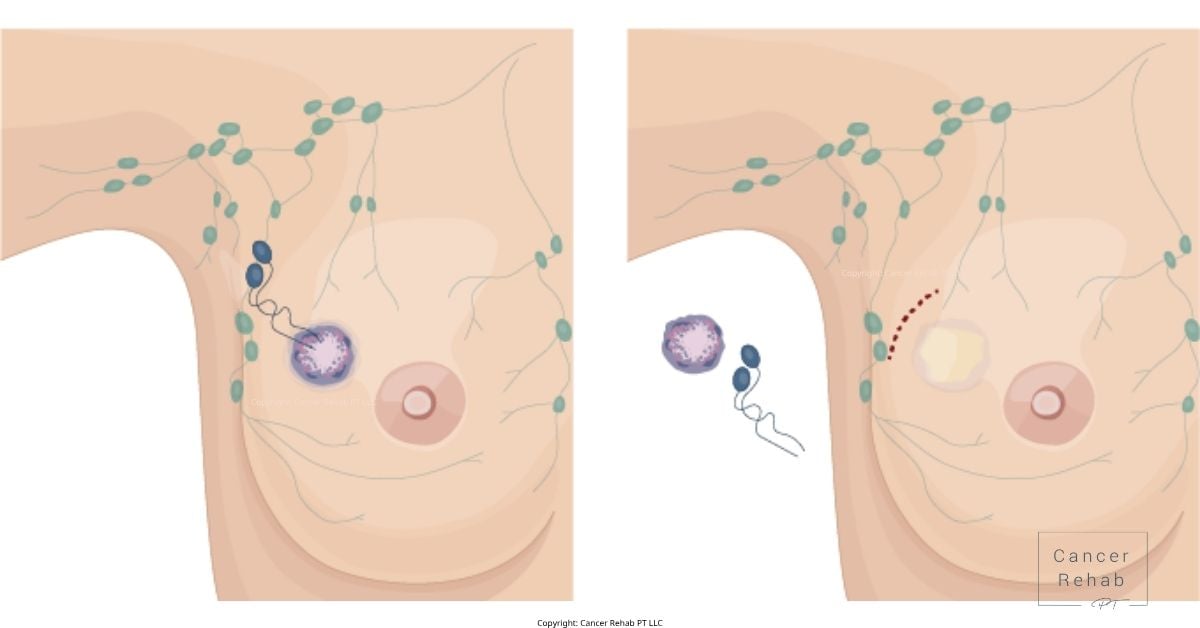
There are two main types of lymph node removal surgery in the armpit, and both are common parts of breast cancer treatment: sentinel lymph node biopsy and axillary lymph node dissection.
Taking out these nodes lets your surgeon check whether cancer has moved beyond the breast, which helps determine your cancer stage and guides the rest of your treatment plan.
Sentinel lymph node biopsy
A sentinel lymph node biopsy is the less invasive of the two.
The sentinel nodes are the first few nodes that breast cancer would reach if it started to spread, so they act as an early signal.
Your surgeon uses a dye or a small amount of a tracer to locate these nodes, then removes just one to three of them to check for cancer cells. If those nodes come back clear, there’s a good chance the cancer hasn’t spread, and no further nodes need to come out.
Because fewer nodes are removed, the risk of side effects like lymphedema is lower with this procedure.
Axillary lymph node dissection
An axillary lymph node dissection is a more extensive lymph node surgery.
Here, your surgeon removes a larger group of nodes from the armpit, often 10 or more, usually because cancer has already been found in the sentinel nodes or elsewhere.
Taking out more nodes gives a fuller picture of how far the cancer has spread, but it also raises the chance of side effects. The more lymph nodes that are removed, the higher your risk of long-term problems like lymphedema, since your lymphatic system has fewer pathways left to move fluid through.
Short-Term Side Effects of Lymph Node Removal in the Armpit
You will most likely see some side effects in the first days and weeks after surgery. These are usually part of normal healing, and they tend to fade as your body recovers.
Pain and tenderness
Soreness around the incision and in the armpit is one of the first things you’ll notice. The area can feel tender to the touch, and you might feel it more when you reach or lift your arm.
This kind of pain usually improves within a few weeks as the tissue heals. Your care team can help you manage it in the meantime, and gentle movement often helps.
Try these stretches after breast cancer surgery.
Seroma
A seroma is a buildup of clear fluid that can collect under the skin where the nodes were removed. It happens because taking out lymph nodes disrupts the normal flow of fluid in the area, so it pools instead of draining away.
You might feel a soft, swollen pocket near the incision or under your arm. Small seromas often go away on their own, but a larger one may need to be drained by your doctor with a small needle.
Numbness and tingling
Nerves run through the armpit, and some of them can be bruised or cut during surgery. When that happens, you may feel numbness, tingling, or a pins-and-needles sensation in your armpit, upper arm, or the inside of your arm.
For most people, this numbness fades over time, but it can last anywhere from a week to several months.
Bruising and swelling
Bruising and swelling around the surgical site are common in the early days. This is a normal response to surgery, as blood and fluid gather in the tissue while it heals.
The colors of a bruise will fade over a week or two, and the early swelling usually settles as you recover. If swelling in your arm or hand develops later or doesn’t go away, it’s worth mentioning to your care team, as it can be an early sign of lymphedema.
Cording (Axillary Web Syndrome)
Cording, also called Axillary Web Syndrome, appears as tight bands of tissue that run under the skin of your armpit and down toward your inner arm. These cords are made of scar tissue, and they can feel like taut ropes or guitar strings when you try to straighten your arm.
Cording can be uncomfortable and can limit how far you’re able to reach. The good part is that it responds well to physical therapy. Gentle cording exercises and hands-on techniques can release the cords over time.
Limited shoulder movement
After surgery, your shoulder on the affected side can feel stiff and tight. Between the soreness, swelling, and cording, it’s common to have trouble lifting your arm overhead or reaching behind your back.
This stiffness can stick around if the shoulder isn’t moved, which is why physical therapy is recommended to restore movement after surgery.
Long-Term Side Effects of Lymph Node Removal in the Armpit
Some effects can last well beyond your initial recovery, and a few may not appear until months or years later. The most important one to understand is lymphedema.
Lymphedema
Lymphedema is chronic swelling that happens when lymph fluid can’t drain properly and builds up in the tissue. When lymph nodes are removed from the armpit, your lymphatic system loses some of the pathways it uses to move fluid out of your arm, so that fluid can collect in the arm or hand.
It often shows up as a feeling of heaviness or tightness, along with visible swelling that doesn’t go down with rest. Lymphedema can appear soon after surgery, or it can develop months or even years later.
Between 5% and 17% of people who have a sentinel lymph node biopsy, where just one to three nodes are taken out, go on to develop lymphedema. For those who have an axillary lymph node dissection, with 10 or more nodes removed, that number climbs to somewhere between 20% and 53%.
Lymphedema can’t be cured once it develops, but it can be effectively managed. With the right care, you can keep the swelling under control and protect your comfort and mobility for the long run.
Learn more about swelling after surgery and when to worry.
Lasting numbness
Sometimes the numbness or tingling from nerve changes during surgery doesn’t fully go away. If a nerve was cut rather than just bruised, you may have a lasting patch of numbness in your armpit or upper arm.
This usually isn’t painful, and many people adjust to it over time. It’s still good to protect any numb areas, since you may not feel a cut, burn, or scrape there the way you normally would.
Reduced range of motion
If shoulder stiffness or cording isn’t addressed, it can turn into a longer-lasting loss of range of motion. Over time, the shoulder can become tight enough that everyday tasks like getting dressed or reaching a high shelf become difficult.
The good part is that this is very treatable. Physical therapy focused on stretching and strengthening can restore your movement, even if some time has passed since your surgery.
Learn more about my Healthy Shoulder Program.

Chronic pain
For some people, pain in the armpit, chest, or arm continues long after the incision has healed. This can come from nerve changes during surgery, scar tissue, or cording, and it may linger in the affected areas for an extended period.
A physical therapist can help you find the source of the pain and work on techniques to ease it.
Higher infection risk
With fewer lymph nodes in the area, your lymphatic system has a harder time clearing bacteria and fighting infection in that arm. This means a small cut, scrape, or insect bite on the affected side can turn into an infection more easily than it would have before.
Make sure to keep the area clean, treat any breaks in the skin promptly, and watch for redness or warmth.
How to Prevent Lymphedema After Lymph Node Removal
There’s no way to guarantee you won’t develop lymphedema, but the way you care for your body after surgery can significantly lower your risk. A lot of prevention comes down to protecting the affected arm, keeping fluid moving, and catching any early changes before they progress.
Here are some of the steps I recommend to my patients for reducing lymphedema risk:
- Keep the skin on your affected arm clean and moisturized, and treat any cut, scrape, or bite quickly to lower your chance of infection
- Ease back into movement with gentle, guided exercises that keep your lymphatic system active and your shoulder mobile
- Work toward and maintain a comfortable body weight, since carrying extra weight is one of the few risk factors clearly tied to lymphedema
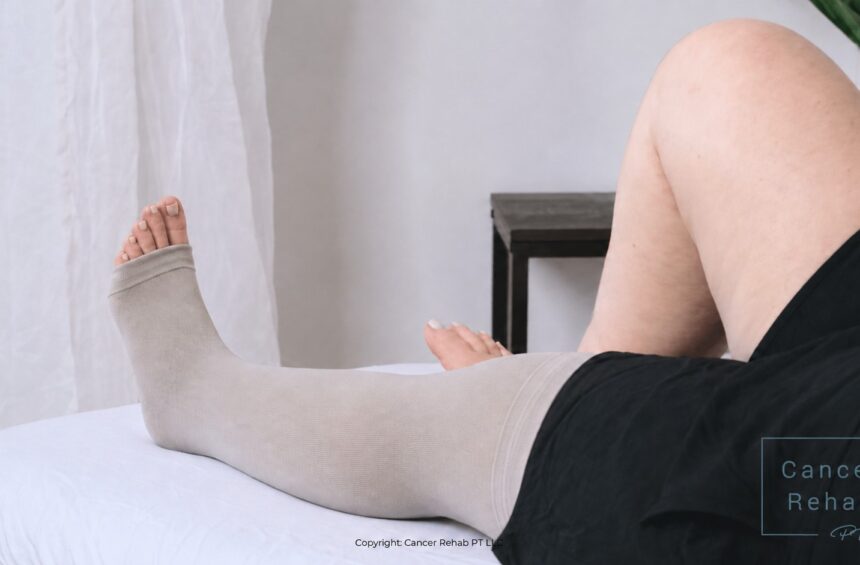
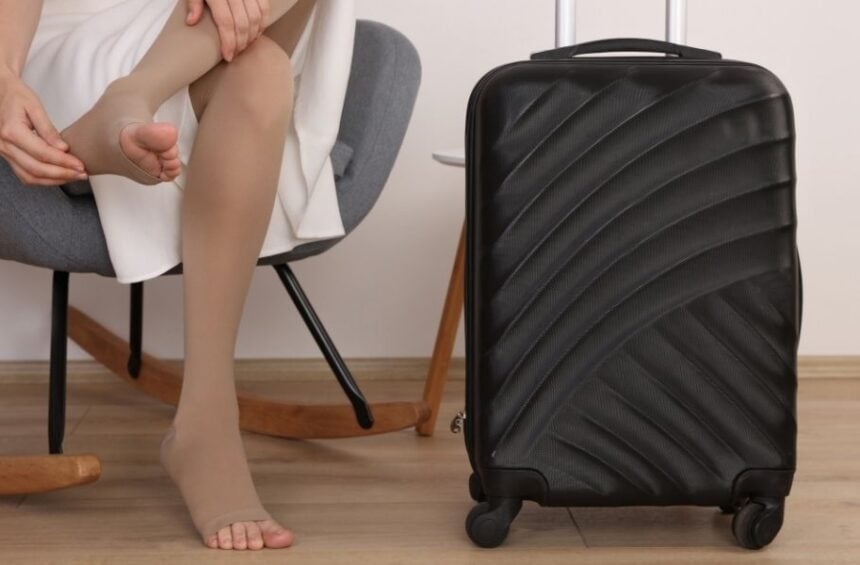
- Wear a well-fitted compression garment if your therapist recommends one, especially during exercise or air travel
- Pay attention to early signs like heaviness, tightness, or subtle swelling in your arm or hand, and reach out to a specialist if you notice them
The goal is to build a few simple habits into your lymphedema self-care routine, so your lymphatic system has the support it needs to keep fluid moving.
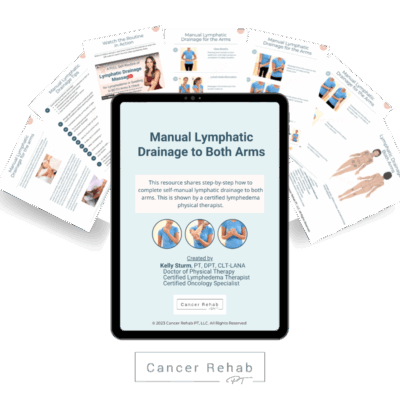
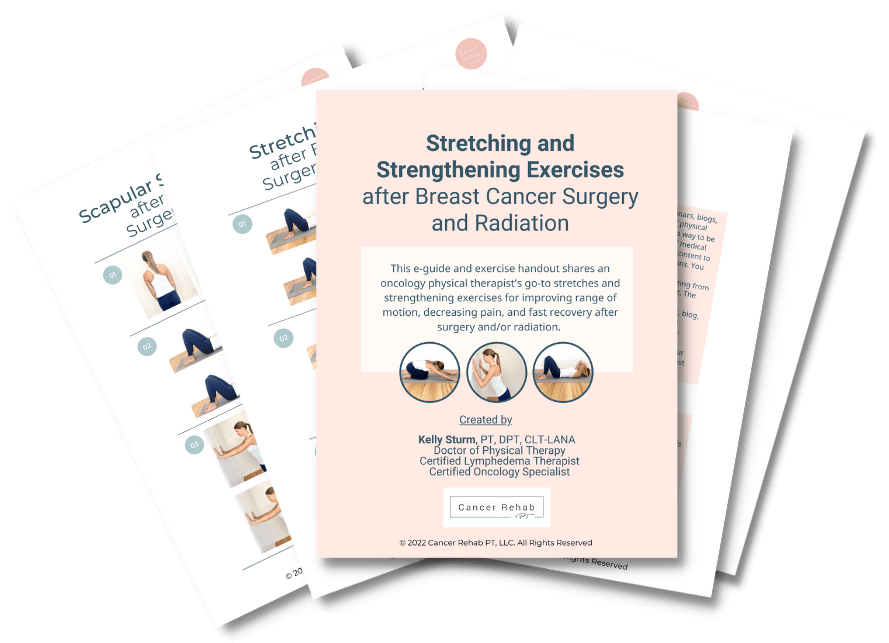
I’ve put together resources to help you recover after surgery, restore your mobility, and lower your risk of lymphedema, with the same exercises and techniques I use with my own patients:


FAQs
What should I avoid after lymph node removal?
In the early weeks, avoid heavy lifting and strenuous activity with the affected arm until your surgeon says it’s safe, and follow any lifting restrictions they give you. Give your incision time to heal fully before starting exercises.
Over the long term, protecting the skin on your affected arm becomes an ongoing habit. Try to avoid cuts, burns, and insect bites when you can, and take care with things like blood draws on that side, since a break in the skin can raise your infection risk when the lymphatic system is working with fewer nodes.
Do lymph nodes grow back after removal?
No, lymph nodes that are surgically removed do not grow back. Once they’re taken out, they’re gone, which is why the lymphatic system in that area has to rely on its remaining pathways to move fluid.
What are the long-term side effects of having lymph nodes removed?
The long-term side effects to be aware of are lymphedema, lasting numbness in the arm or armpit, reduced shoulder range of motion, chronic nerve pain, and a higher risk of infection in the affected arm. Not everyone experiences these, and their severity varies.
Most of these long-term side effects respond well to physical therapy, and staying aware of them helps you get ahead of any problems.
What are the odds of getting lymphedema after lymph node removal?
Your odds depend largely on how many lymph nodes were removed. According to research, between 5% and 17% of people who have a sentinel lymph node biopsy, where one to three nodes are removed, develop lymphedema. For those who have an axillary lymph node dissection, with 10 or more nodes removed, the risk rises to between 20% and 53%.
Other factors like radiation, chemotherapy, and your body weight can also affect your risk.
Is it safe to shave my armpits after a lymph node removal procedure?
Once your incision has fully healed, shaving your armpit is generally considered safe, but it’s smart to be gentle. An electric razor is often a good choice, since it lowers the chance of nicks and cuts that could let bacteria in.
Because your infection risk is higher on the affected side, take care of any small cut right away by cleaning it and keeping an eye on it. If you notice redness, warmth, or swelling, reach out to your care team.
What cancers often require lymph node removal?
Breast cancer is one of the most common reasons for lymph node removal in the armpit, since breast cancer usually spreads first to the axillary lymph nodes. Checking those nodes helps determine the cancer stage and guides treatment decisions.
Melanoma is another cancer that often involves removing nearby lymph nodes, and so are certain head and neck, gynecologic, and other cancers. In each case, the nodes are examined to see whether cancer has traveled beyond where it started.
How many lymph nodes need to be removed to cause lymphedema?
No set number causes lymphedema. While it might seem like more nodes removed would always mean more risk, research shows that the relationship between the number of nodes removed and lymphedema isn’t so straightforward.
What seems to matter more is how much the lymphatic system is disrupted, not the raw count of nodes. One person can have many nodes removed and never develop swelling because they have more backup pathways, while another can have fewer removed and still develop lymphedema. This is why prevention and early attention are important for anyone who has had nodes taken out, whatever the number.
How long is recovery after lymph node removal in the armpit?
For most people, the initial recovery takes a few weeks, with soreness, swelling, and limited arm movement improving during that time. Many can start gentle stretching exercises somewhere around two to six weeks after surgery, but this depends on your incision healing and your surgeon’s guidance.
Getting your full strength and range of motion back can take longer, sometimes a few months, especially if you’re working through cording or stiffness. Physical therapy can speed this along and help you recover more comfortably.
You can also follow my Breast Cancer Recovery Roadmap.
Breast Cancer Rehab Program
If you’re recovering from lymph node removal and want more support, learn more about my program Breast Cancer Rehab.
It’s a physical therapy program I created to help you minimize pain, rebuild strength, and lower your risk of lymphedema during and after treatment.
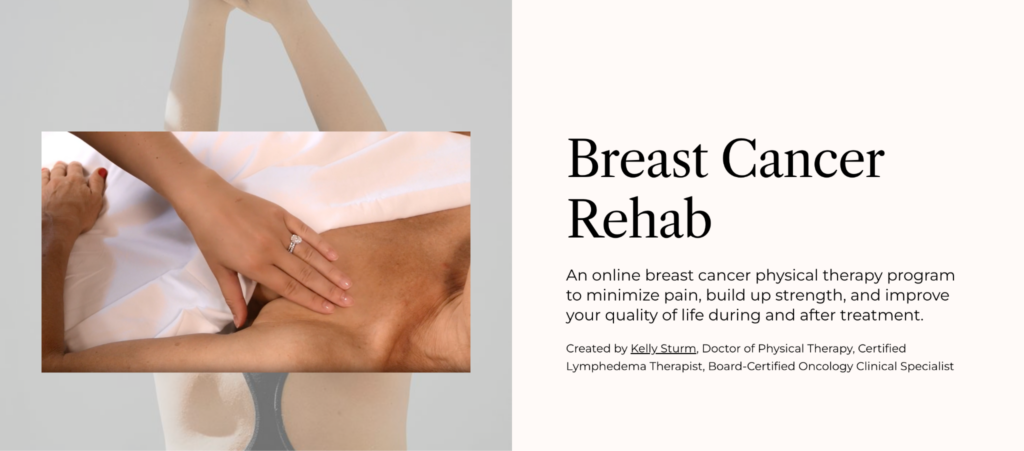
The program pulls together the same education, exercises, and techniques I use with my patients, organized into six focused areas:
- Arm lymphedema
- Axillary Web Syndrome (cording)
- Arm mobility after surgery
- Breast and chest swelling
- Scar tissue
- Rehab after radiation
You can work through them at your own pace and start whichever piece fits where you are in recovery.
In addition to the program, I also have other physical therapy resources to help you get started right away, whether you’re preparing for surgery or already navigating recovery: