


Swelling under the armpit can cause a lot of discomfort and concern, especially because it’s such a sensitive area. You may experience heaviness, tightness, or a feeling of fullness under your arm. I had one patient tell me last week that she felt like she had a 10lb spikey ball in her armpit 24/7. Sometimes, you may have an armpit lump.
Many different causes could potentially result in swelling or an armpit lump, including viral infections and cysts. Some swelling under the armpit requires medical treatment or could signal a more serious issue.
As a certified lymphedema therapist (CLT-LANA), the type of armpit swelling I focus on is swelling that develops as a result of surgery or a chronic condition called lymphedema.
This type of swelling can often be successfully managed with lymphatic drainage, compression, and movement.
Here’s everything you need to know.
What Is Swelling Under the Armpit?
Armpit swelling happens when fluid accumulates in the soft tissues of the armpit region. This area has important structures like lymph nodes, blood vessels, and fatty tissue.
Sometimes, these structures can be affected, leading to fluid buildup. The swelling might feel tender and heavy or create a sensation of fullness under your arm. It may become difficult to move your arm, or you can feel uncomfortable wearing certain clothing.
What Causes Swelling Under the Armpit?
Armpit swelling can develop for many different reasons. Some causes are temporary and will go away on their own, but others require medical treatment or ongoing management.
Viral Infections
Many viral infections cause your lymph nodes to swell as your immune system works to fight off the infection. When you have a cold, flu, or other viral illness, the lymph nodes in your armpit may become enlarged and tender.
This swelling typically goes away on its own once your body clears the infection.
Infectious Mononucleosis
Mononucleosis (often called “mono”) is a viral infection that causes widespread lymph node swelling, including in the armpits. Along with swollen lymph nodes, you might experience extreme fatigue, a sore throat, and a fever.
Mono usually resolves with rest and time, but recovery can take several weeks.
Cellulitis
Cellulitis is a bacterial skin infection that causes redness, warmth, and swelling in the affected area. If the infection develops near your armpit, you’ll likely notice tenderness and inflammation.
Cellulitis is serious, and it requires antibiotic treatment from a healthcare provider.
Lyme Disease
Lyme disease, transmitted through tick bites, can cause lymph node swelling throughout the body, including the armpits. You might also develop a distinctive circular rash, fever, and joint pain. Early treatment with antibiotics is important to prevent complications.
Irritation from Shaving
Shaving can irritate the delicate skin in your armpit, especially if you’re using a dull razor or shaving too aggressively. This irritation can lead to temporary swelling, ingrown hairs, or small bumps. The swelling from shaving irritation usually clears up within a few days.
Cysts
Cysts are fluid-filled sacs that can develop under the skin in your armpit. They’re typically benign and may feel like a small, movable lump. Many cysts resolve on their own, but some might need drainage or removal if they become uncomfortable or infected.
Cancer Surgery
Surgery for breast cancer or other cancers often involves removing lymph nodes from the armpit area.
As a physical therapist who specializes in cancer rehabilitation, I’ve seen many patients with post-surgical armpit swelling. When lymph nodes are removed, your lymphatic system needs time to establish new drainage pathways, which can lead to fluid buildup.
This swelling may appear immediately after surgery or develop gradually over time.
Lymphedema
Lymphedema is a chronic condition where your lymphatic system can’t drain fluid effectively. It leads to persistent swelling that often affects the arm, including the armpit area.
Lymphedema can develop after cancer surgery, radiation therapy, or as a result of other conditions affecting the lymphatic system. Lymphedema is a lifelong condition, but many people see a big improvement in their symptoms with consistent lymphedema treatment.
Swelling Under One Armpit
When swelling appears under only one armpit, this often relates to surgical procedures on that side of the body, such as breast cancer surgery or lymph node removal. The swelling can develop immediately after surgery or gradually over time.
Learn more about breast cancer rehabilitation.
Swelling Under Armpit, No Lump
Sometimes, armpit swelling presents as a general fullness or puffiness without a distinct lump. This often happens when you have lymphedema, a chronic condition where the lymphatic system struggles to drain fluid properly.
The affected area may feel soft and doughy to the touch, and the skin might appear stretched or shiny. Lymphedema swelling doesn’t feel like an inflamed lump. It’s more like a uniform fullness across the entire armpit region.
Learn more about lymphedema after breast cancer.
Swelling Under Armpit After Mastectomy
Swelling in the armpit after a mastectomy is pretty common.
During this surgery, your surgical team often removes lymph nodes from the armpit area (called axillary lymph node dissection) to check if the cancer has spread. This procedure impacts your lymphatic system’s natural drainage pathways.
You may notice swelling shortly after surgery or sometimes even months later.
It might extend from your armpit down your arm or into your chest wall. Sometimes this swelling is temporary, but it can also turn into lymphedema.
Here are a few tips on how to prevent lymphedema.
Swelling Under Armpit After Breast Augmentation
This type of swelling typically occurs because of the surgical procedure itself and the placement of the implant.
During breast augmentation, your surgeon creates a pocket for the implant, which may extend into the armpit area. This can cause temporary swelling. You might notice:
- Fullness extending into your armpit area
- Mild discomfort when raising your arm
- Changes in sensation around your armpit
- Temporary tightness in the chest and armpit region
This type of post-surgical swelling usually peaks within the first few days after surgery and gradually improves over several weeks.
Learn more about when to worry about swelling after surgery.
How to Reduce Swelling Under the Armpit
As a certified lymphedema therapist (CLT-LANA), these are the techniques I use with my patients for post-surgical swelling and lymphedema.
If your swelling is caused by an infection, cyst, or another medical condition, consult with your healthcare provider for appropriate treatment.
Lymphatic Drainage
Lymphatic drainage is a gentle massage technique that helps move excess fluid out of the swollen area. It uses very light pressure and slow, rhythmic movements to stimulate your lymphatic vessels.
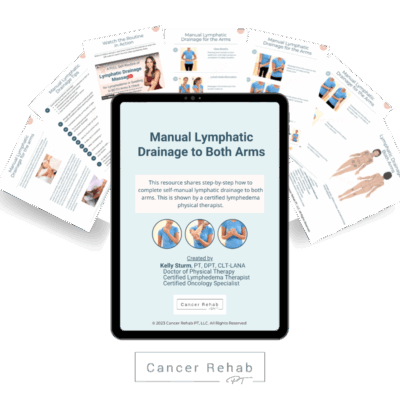
You can try this lymphatic drainage massage for the arms and chest routine!
You can see a massage therapist or certified lymphedema therapist for professional lymphatic drainage sessions, or you can learn to do it yourself at home. I’ve created guides as a certified lymphedema therapist (CLT-LANA) to teach you the proper technique:



Learn about lymphatic massage dangers and who should avoid it.
Compression
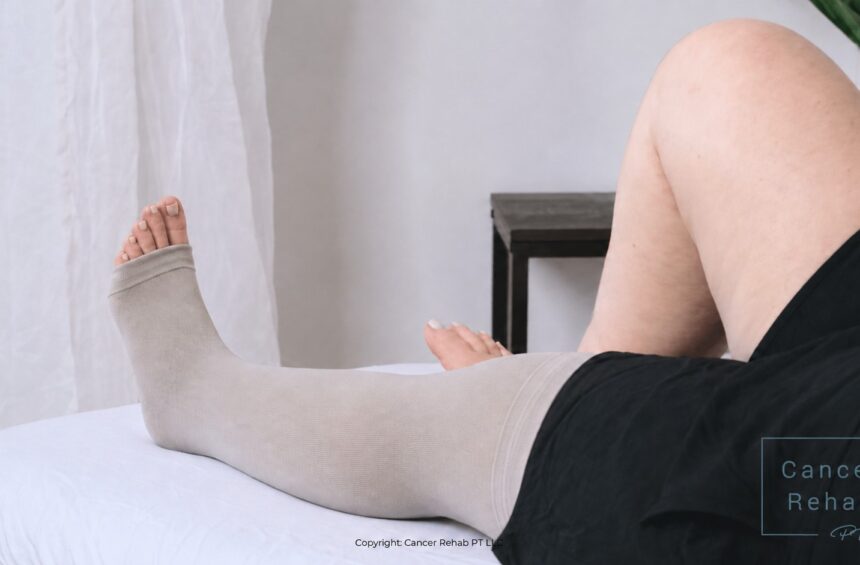
Compression therapy is one of the best ways to manage lymphedema and post-surgical swelling. It works by providing gentle external pressure with a compression garment.
There are many compression sleeves and stockings to choose from, but finding the right compression for the armpit area is more difficult. There are very few products that target that specific area.
However, I do often recommend compression bras, compression t-shirts, and swell spots for armpit swelling. Here are my favorite options:
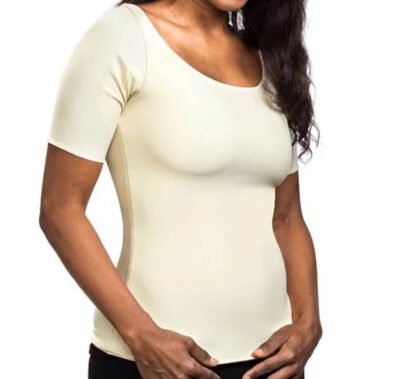
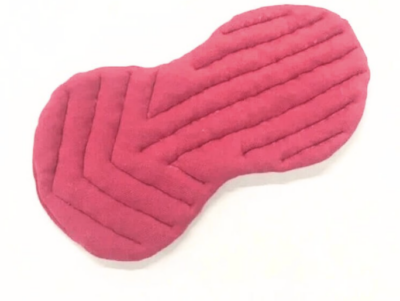

Keep in mind that the compression should always feel supportive, not uncomfortable or restrictive.
If your compression garment causes discomfort or makes swelling worse, stop using it and reach out to your medical team for alternatives.
If you have swelling under the armpit, you should also avoid underwire bras. They can restrict natural fluid movement and make the swelling worse.
Movement
Movement can be incredibly helpful with any type of swelling, including swelling under the armpit. However, it can be hard to figure out what type of movement to do because the armpit is not the easiest area to reach with exercise.
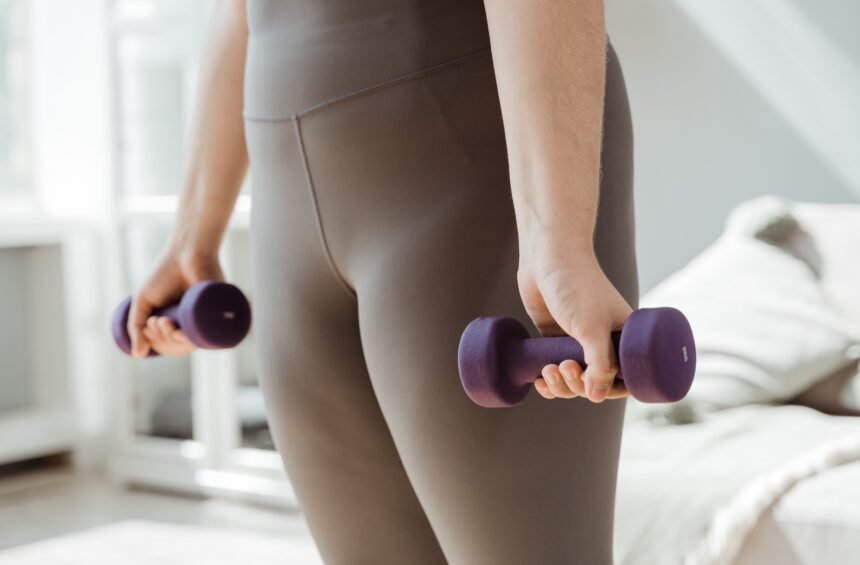
I recommend arm exercises, such as small circles (both forward and backward), arm swings, shoulder rolls, and reaching movements. Light housework, such as folding laundry, gardening, and cooking, can also be helpful.
Generally speaking, any movement that keeps your arm and shoulder mobile without strain can help reduce swelling under the armpit. If you don’t know where to start, try these exercises:


Should I See a Doctor for Armpit Swelling?
Sometimes, swelling under the armpit will resolve on its own with time and rest (for example, if it developed because of the flu or skin irritation from shaving). At the same time, it can sometimes require medical treatment, such as antibiotics, or further evaluation.
If you suspect you have lymphedema, you’ll need a proper diagnosis from a healthcare provider. Treatment for lymphedema typically involves Complete Decongestive Therapy (CDT) with a certified lymphedema therapist.
If you notice new or concerning swelling in your armpit, especially if you also have pain, redness, or other symptoms, contact your healthcare provider for a proper evaluation.
FAQs
What does lymphedema in the armpit feel like?
Lymphedema in the armpit often feels like a general heaviness or fullness in the area, and you might also notice that your skin feels tight or stretched. Unlike conditions where your immune system is fighting infection and causing painful lumps, lymphedema usually isn’t painful, but you may experience some discomfort. The swelling can also extend beyond just the armpit area. Lymphedema is a chronic condition, so while you can manage the swelling to make it better, it likely won’t resolve completely.
Should I massage my swollen armpit?
It depends on the cause of the swelling and your technique. If your lymph nodes are swollen because of an infection, you should see a doctor instead of attempting to do self-massage. However, if you’re dealing with post-surgical swelling or lymphedema, gentle lymphatic drainage techniques (not deep massage) can be helpful when you do it correctly.
Why is my armpit swollen, but no lump?
General swelling without a distinct lump is common with lymphedema and can also develop after surgery or radiation therapy. In this case, you typically won’t experience tender, localized swelling that happens when your immune system is fighting an infection. It’ll be more like uniform puffiness or fullness across the armpit.
Get Support with Armpit Swelling and Arm Lymphedema
Armpit swelling can develop for many different reasons, including infections, surgery, and a chronic condition called lymphedema. If you don’t know the cause of the swelling under your armpit, it’s important to consult with a medical professional.
Some causes require medical treatment, but you can manage many cases of post-surgical swelling and lymphedema with gentle lymphatic drainage, compression therapy, and movement.
You can find more support with post-surgical armpit swelling and lymphedema in Breast Cancer Rehab, as well as my exercise guides!