



Your lymphatic system is a network of vessels and organs that moves fluid through your body and helps filter out waste. As a certified lymphedema therapist (CLT-LANA) and oncology physical therapist, I often explain to my patients how this system works and why it matters.
This simple lymphatic system diagram breaks down the basics in a way that’s easy to understand. It’ll be helpful if you’re managing lymphedema, dealing with chronic swelling, or are just prone to puffiness, so you can take better care of your body.
What Is the Lymphatic System?
Your lymphatic system is made up of vessels, nodes, and organs that work together to move lymph fluid throughout the body. This fluid carries waste products, toxins, damaged cells, and extra water.
It’s an important part of your body’s immune system. Your lymph nodes filter out bacteria and other harmful substances before they can cause problems.
When your lymphatic system is working well, it keeps fluid moving, reduces swelling, and helps your body fight off infections.
Unlike your cardiovascular system, which has your heart pumping blood, your lymphatic system doesn’t have a pump. It relies on muscle movement, breathing, and gentle pressure to move fluid through the lymphatic vessels.
For most people, this happens automatically with normal daily movement.
But if you’re prone to puffiness or live with lymphedema, your lymphatic system may need extra support with techniques like lymphatic drainage massage.
Simple Lymphatic System Diagram
This lymphatic drainage system diagram shows where your main lymph nodes and vessels are located. You can use it as a reference when you’re doing lymphatic drainage massage at home, or if you’re trying techniques like dry brushing or gua sha.

Following this diagram of the lymphatic system will help you move fluid in the right direction.
I’ve seen many beauty tutorials online that show lymphatic drainage techniques, but some of them don’t follow the structure of your lymph system. Without understanding how the system works, you might be moving fluid the wrong way or missing important areas.
For more in-depth lymphatic system diagrams, you can also check out these resources:


What Are the Key Components of the Lymphatic System?
Your lymphatic system has a few different parts that all work together. Here’s what each one does:
Lymph Fluid
Lymph fluid is a clear or slightly yellow liquid that flows through your lymphatic vessels. It’s largely made up of water, proteins, waste products, cellular debris, and immune cells such as lymphocytes.
This fluid starts as plasma that leaks out of your blood vessels into the spaces between your cells. Your lymphatic system collects the excess fluid, filters it through lymph nodes, and returns it to your bloodstream.
Lymph Nodes
Lymph nodes are small, bean-shaped structures that filter your lymph fluid. You have hundreds of them throughout your body, but the main clusters are in your neck, armpits, groin, chest, and abdomen.
When lymph fluid passes through these nodes, white blood cells inside them trap and destroy bacteria, viruses, and other harmful substances. That’s why your lymph nodes can swell up when you’re sick. They’re working hard to fight off infection!
Lymph Vessels
Lymph vessels are thin tubes that carry lymph fluid through your body. They’re similar to blood vessels, but they only move fluid in one direction toward the venous system near your heart.
These vessels have small valves inside them that keep the fluid from flowing backward. The smallest vessels, called lymphatic capillaries, collect fluid from your tissues. These join together to form larger vessels that eventually empty into veins near your collarbone.
Lymphatic System Organs
There are a few different organs that are a part of your lymphatic system:
- Your spleen filters your blood and removes old red blood cells.
- Your thymus helps develop white blood cells called T-cells, which fight infection.
- Your tonsils and adenoids trap bacteria and viruses that enter through your nose and mouth.
All of these organs support your immune system and help keep you healthy.
Bone Marrow
Bone marrow is a spongy tissue inside your bones.
It produces all the different types of blood cells that your body needs, including the white blood cells that are part of your lymph fluid. These white blood cells circulate through your blood, tissues, and lymphatic system to help protect you from infection and disease.
How the Lymphatic System Works
Your lymphatic system is constantly moving fluid through your body, even when you’re not aware of it.
First, fluid from your blood vessels leaks out into the spaces around your cells. This fluid brings nutrients to your tissues, and it also picks up waste products and toxins.
Your lymphatic capillaries collect this extra fluid. From there, it moves through larger lymph vessels and passes through lymph nodes, where it gets filtered.
The clean fluid then travels through more vessels until it reaches large ducts near your collarbone. These ducts empty the lymph fluid back into your bloodstream, where it can circulate again.
Overall, this whole process depends on your movement.
When your muscles contract, they squeeze the lymph vessels and push fluid along. Your muscles contract because of physical movement (such as walking or exercise), deep breathing, and gentle pressure from lymphatic drainage massage or compression garments.
How Do You Tell If Your Lymphatic System Isn’t Draining Well?
When your lymphatic system isn’t draining enough, you’ll usually notice swelling.
It can be puffiness in your face, hands, feet, arms, or legs. Sometimes, the swelling might feel tight or heavy, and your skin might look stretched or shiny.
If there is a lot of swelling, you may notice a feeling of fullness or achiness in the affected area and reduced flexibility or range of motion. Your skin might also feel thicker or harder.
If you experience swelling that doesn’t go away, you might have lymphedema.
Lymphedema is a chronic condition that happens when your lymphatic system is damaged or blocked. It can develop after cancer treatment, surgery, radiation, or injury, but it can also be something you’re born with.
Up to 250 million people worldwide have lymphedema, with about 10 million in the US. That’s more people than those living with HIV, Parkinson’s, multiple sclerosis, muscular dystrophy, and ALS combined.
Unfortunately, many people still don’t know much about this condition or what to watch out for, even if they’re at a high risk of developing it, such as after breast cancer treatment.
I often see people in my practice as a physical therapist who’ve been living with swelling for months or years before they’re able to get meaningful help.
If you notice swelling that doesn’t go away, especially after surgery or radiation treatment, talk to your doctor or a certified lymphedema therapist.
Lymphedema is often highly responsive to treatment in the early stages, and sometimes, it’s even possible to naturally reverse the swelling or significantly reduce it.
How Can I Keep My Lymphatic System Healthy?
Exercise
As a certified lymphedema therapist (CLT-LANA), regular movement is the first thing I recommend to keep your lymphatic system healthy. When your muscles contract, they squeeze your lymph vessels and help push fluid through your body.
Any form of exercise helps, but some types are especially good for lymphatic drainage:
- Walking or jogging
- Swimming or water aerobics
- Yoga
- Pilates
- Cycling
- Strength training
- Vibration plate exercises
- Rebounder workouts (mini trampoline)
- Dancing
The most important thing is that you find an exercise you like and can stick to doing regularly. I recommend getting some physical movement in at least 3-5 times a week, even if it’s only for 15 or 20 minutes.


Healthy Diet
What you eat can affect your lymphatic system and overall health.
Try to limit processed foods and excess salt because too much sodium makes your body hold onto fluid, which can trigger more swelling.
In turn, eating plenty of fruits, vegetables, and lean proteins helps your lymph system stay strong and healthy.
It’s also important to stay hydrated. Drinking enough water throughout the day is one of the simplest things you can do to help your lymphatic system work properly.
Avoiding Injury
Sometimes, lymphedema can develop as a result of an injury. To minimize your risks, it’s important to take care of your skin, avoid infections as much as possible, and be careful with cuts or burns.
Surgery or radiation can also injure your lymphatic system.
These treatments sometimes damage or remove lymph nodes and vessels, which increases your risk for developing lymphedema.
If you need these treatments, you can’t avoid them, but knowing your risk helps you take steps to prevent lymphedema from developing.
Staying active, maintaining a healthy weight, and practicing good skin care can all reduce your chances of developing the condition after treatment.
Learn more about how to prevent lymphedema.
Manual Lymphatic Drainage
Manual lymphatic drainage is a massage technique that helps lymph fluid move through your body better. It uses light, sweeping strokes on your skin to guide fluid toward your lymph nodes, where it can be filtered and drained.
You can learn to do manual lymphatic drainage at home as part of your self-care routine, or you can see a certified massage therapist who specializes in this technique.
It helps reduce swelling and support your overall immune system. For example, I often recommend doing a quick lymphatic drainage massage first thing in the morning to help with puffiness.
It works both for people living with lymphedema and those simply prone to swelling.
Learn more about the benefits of lymphatic drainage massage.
FAQs
Does dry brushing help lymphatic drainage?
While research is limited, some people find dry brushing helpful to move lymph fluid and reduce swelling, but it’s important to do it correctly and follow your lymph system’s natural pathways. You need to use light pressure and brush toward your lymph nodes, which are located in your neck, armpits, groin, chest, and belly. The strokes should also be gentle. You’re not scrubbing your skin! If you brush too hard or in the wrong direction, it won’t help your lymphatic system and can even cause irritation or trigger more swelling.
What doctor treats lymphatic issues?
A certified lymphedema therapist (CLT-LANA) is usually the main specialist who treats lymphedema and some other lymphatic issues. Some physical therapists and occupational therapists have this certification. Your primary care doctor can refer you to one. If your swelling is related to cancer treatment, your oncologist might help coordinate your care, too.
Where does lymphatic fluid go?
Lymph fluid moves through your vessels and gets filtered through your lymph nodes. From there, it keeps traveling through bigger vessels until it reaches two large ducts near your collarbone. These ducts empty the filtered fluid back into your bloodstream through veins in your upper chest. Once it’s back in your blood, it circulates through your body again.
Where are your lymph nodes located on your body?
Your lymph nodes cluster in your neck, under your jaw, behind your ears, in your armpits, in your groin, and throughout your chest and abdomen. When you do lymphatic drainage massage, you should move fluid to these clusters so it can drain there.
What exercises are good for lymphatic drainage?
As a certified lymphedema therapist (CLT-LANA) and physical therapist, I tell my patients that the best exercise for lymphatic drainage is any exercise that you can do regularly, at least a few times per week. Walking, swimming, yoga, and strength training are good options. Vibration plate exercises and rebounding on a mini trampoline have many lymphatic system benefits, too. But overall, it should simply be a type of exercise that you enjoy and can do often, even if it’s just a simple morning walk.
Can you do lymphatic drainage at home?
Yes, you can do lymphatic drainage at home, but it’s important to follow the right technique! Whether you’re dry brushing or doing lymphatic drainage massage with your hands, you should only use light pressure and move lymph fluid toward your lymph nodes, NOT toward your heart, as some tutorials suggest. This way, the fluid can drain properly.
More Lymphatic System Diagrams & Resources
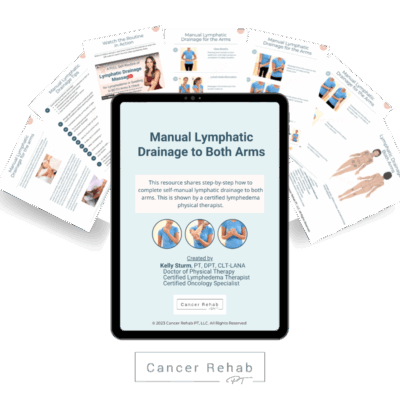
If you’re looking for more tips and support for your lymphatic system, I have detailed diagrams and step-by-step guides that show you how to do lymphatic drainage massage on different parts of your body.
Whether you’re dealing with chronic swelling or just want to support your lymphatic health at home, these resources will help you understand which direction to move the fluid for the best results: