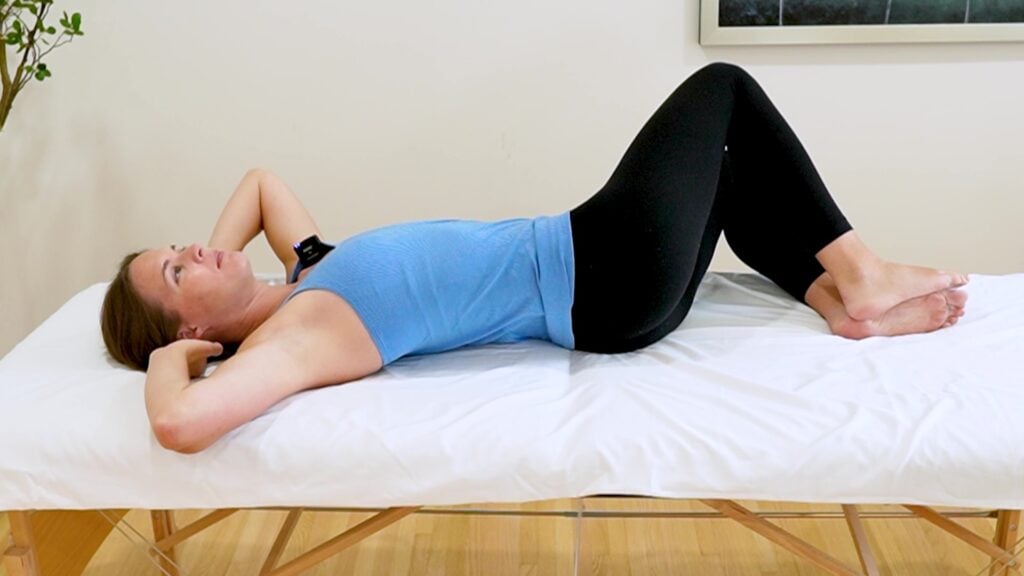
4 Exercises for Radiation Fibrosis Syndrome Breast Cancer
An oncology PT shares 4 exercises for radiation fibrosis syndrome breast cancer survivors can use to ease tightness.

An oncology PT shares 4 exercises for radiation fibrosis syndrome breast cancer survivors can use to ease tightness.

Lymphedema isn't considered a primary treatment for lymphedema, but in certain cases, procedures like LVB and VLNTx can be used.

Genital lymphedema is a chronic condition that causes swelling in your genital area, and it can be managed with physical therapy.

All you need for this self-care routine is a soft bristle brush. Lymphatic specialist Kelly Sturm explains how to dry brush for less swelling.

Lymphatic drainage massage can help reduce morning puffiness as well as help when living with lymphedema or chronic swelling.

Fatigue, higher risk of lymphedema, and scar tissue pain are some of the 5 things they never tell you about life after cancer.

Learn the simple way to put on compression socks with expert tips and donning aids from a lymphedema physical therapist.

Dry brushing benefits include less swelling, better exfoliation, and reduced cellulite appearance. It's a boost to your lymphatic system.

As part of breast cancer treatment, you may have to choose between a lumpectomy vs. mastectomy, a partial or a total breast removal.

Lymphatic massage dangers are minimal, but you should avoid it if you have a heart condition, kidney failure, blood clots, or active infections.

Lymphedema stages include Stage 0 (no visible swelling), Stage 1 (reversible), Stage 2 (mild), and Stage 3 (severe swelling).

Compression therapy can reduce swelling with lymphedema, varicose veins, and after surgery. It involves wearing special stockings or wraps.

Lymphedema self-care can include compression therapy, exercise, manual lymphatic drainage (MLD), skin care, dry brushing, and other habits.

Here are the best lymphedema products for legs and arms to manage symptoms, tested and used by a certified lymphedema therapist.

Seek medical attention if swelling after surgery is getting worse or is accompanied by redness and pain. It can also be a sign of lymphedema.

Lymphedema is usually treated by a certified lymphedema therapist (CLT), but your plan can involve other professionals, such as a surgeon.