

If you’re living with lymphedema, you may be looking up lymphedema exercises to avoid so you can stay active without making your swelling worse.
The short answer is that high-impact exercise, like jumping and hard, fast running, calls for caution, and most people should skip or scale it back unless their body is trained for it.
If you’re trying to figure out what exercises are safe with lymphedema, you may be wondering, can I still go to my favorite workout class? Will lifting weights make my arm swell? Can exercise help bring my swelling down, or should I stop working out?
As a physical therapist and certified lymphedema therapist (CLT-LANA), I hear questions like these often. Exercise is one of the best things you can do for lymphedema, and most activities are beneficial and can help reduce swelling.
At the same time, high-impact workouts call for extra caution and a gradual build-up. However, they aren’t off the table if your body is trained for them.
Here’s everything you need to know.
Lymphedema and Exercise: What Is the Connection?
Your lymphatic system doesn’t have a heart to pump fluid. Instead, it relies on your muscles. Every time a muscle contracts, it squeezes nearby lymph vessels and pushes fluid along toward your lymph nodes.
When you have lymphedema, this system has a harder time keeping up, often because lymph nodes were removed or damaged during cancer treatment. Regular movement gives it extra help, which is why exercise is one of the most useful tools for managing chronic swelling.
Research supports that exercise is safe and beneficial for lymphedema. Staying active is great for moving stagnant fluid, but it also helps you build strength, improve your range of motion, and manage your weight, which supports your lymphatic system, too.
At the same time, your lymphatic system has limits. Some high-impact activities place more demand on it than it can handle, or raise your risk of an injury or infection that can trigger a lymphedema flare.
What Are Lymphedema Exercises to Avoid?
When you exercise, your heart pumps more blood to your muscles, and some of that extra fluid seeps into the surrounding tissue. Your lymphatic system normally clears it, but with lymphedema, it may not keep up during activities that involve repetitive impact or intense bursts of effort.
Injuries are another concern, since a sprained ankle, pulled muscle, or bruise leads to inflammation that brings even more fluid to the area. A cut or scrape can also let bacteria in and cause an infection like cellulitis, which is serious and requires to be treated with antibiotics.
Keep in mind that “avoid” doesn’t always mean “never.” Many people with lymphedema participate in activities they love by starting slowly, wearing their compression garment, and working with their CLT on a plan. Your body also needs time to adapt to anything it isn’t used to. If you notice more swelling after a workout, scale back and try a gentler version next time.
That said, let’s take a look at the typical lymphedema exercises to avoid.
High-impact jumping and plyometrics
Box jumps, jump squats, burpees, and jumping rope put a lot of force through your body. Repeated jarring can stress your tissues and lymph vessels, and fast, explosive movements raise your risk of rolling an ankle or straining a muscle.
With leg lymphedema especially, the impact can encourage fluid to collect in your lower limbs. If you’ve trained for this gradually and consistently, it can still be an option, but it’s not a good place to start if your body isn’t used to it.
If you love this type of training, ask your CLT whether a lower-impact version, like step-ups instead of box jumps, could work for you. You can also try these leg lymphedema exercises.
Running on hard surfaces
Running on pavement or concrete means repeated pounding on your joints and legs. For people with lower body lymphedema, this can lead to more swelling in the feet, ankles, and legs, especially on long or intense runs.
If running is part of your life, you don’t necessarily have to give it up. Softer surfaces like a track or trail, shorter distances, supportive shoes, and your compression garment can all help. If you’re not already a runner, build up gradually instead of starting with long or intense runs.
Living with lymphedema isn’t black and white, so check for increased swelling and adjust your routine as needed.
Heavy lifting
For years, people with lymphedema were told to avoid lifting anything heavy, but research has changed that advice.
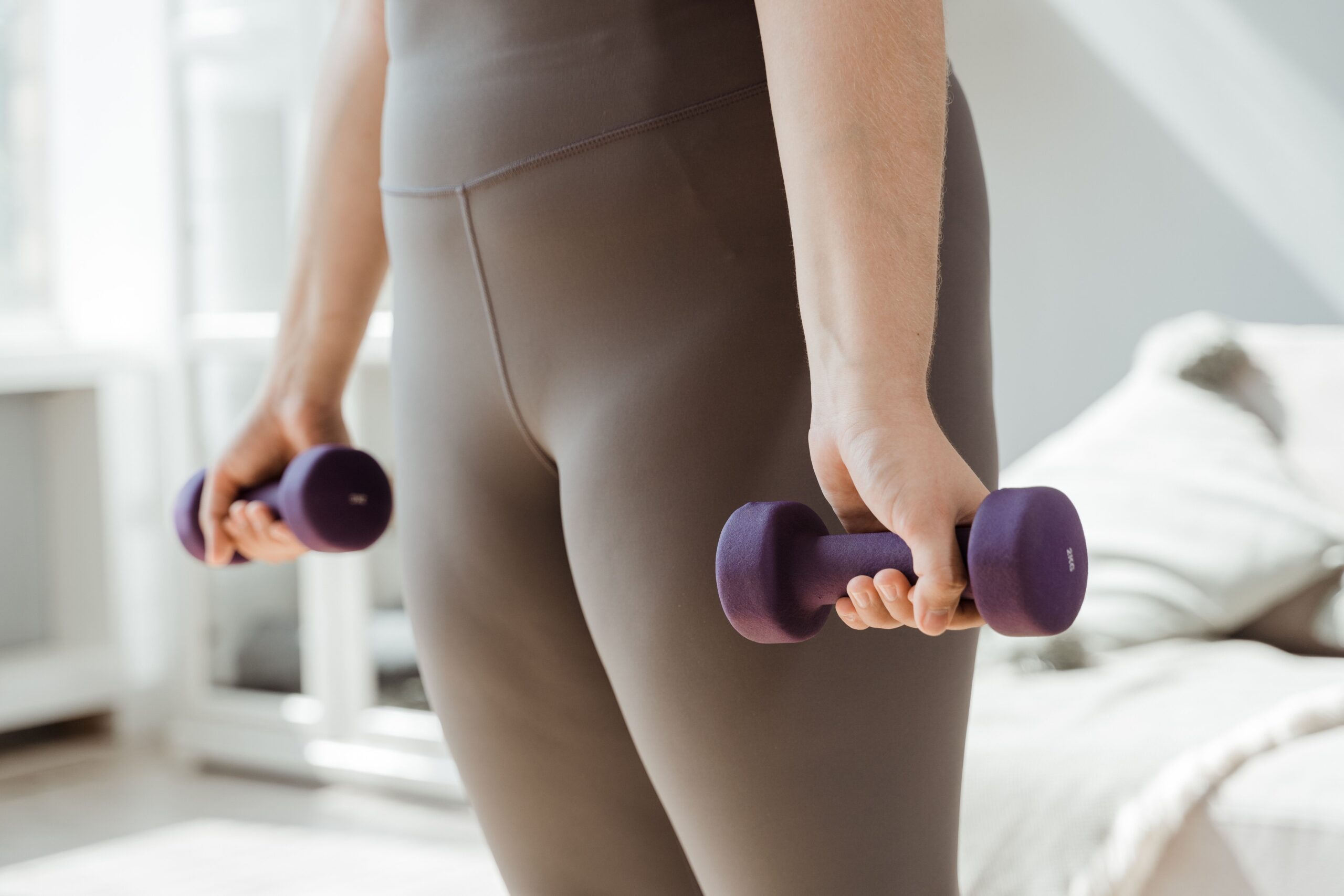
In the Physical Activity and Lymphedema (PAL) trial, women with lymphedema who followed a slowly progressive weightlifting program had fewer flare-ups and milder symptoms than women who didn’t lift. So, lifting can be beneficial and part of your lymphedema self-care.
The trouble comes from jumping into heavy weights too fast or doing too many reps, causing inflammation and too much strain in your body. Start light, increase gradually, and stop if you notice heaviness, aching, or more swelling.
You can lift. Just build up gradually and let your body adapt before adding weight.
Hot yoga
Yoga can be wonderful for lymphedema, but hot yoga is a different story.
Heat causes your blood vessels to widen, which lets more fluid move into your tissues and gives your lymphatic system more to clear. Heavy sweating in a heated room can also leave you dehydrated, which makes your lymphatic system less efficient.
Room-temperature yoga gives you the same stretching and breathing benefits without the added heat. This applies to all types of exercise. So, running or lifting weights in extreme heat isn’t a great idea for people living with lymphedema either.
High-intensity interval training (HIIT)
HIIT workouts alternate short, all-out bursts with brief rest periods. These bursts ramp up blood flow quickly, and many HIIT classes include jumping, fast direction changes, and rapid repetitions. That combination raises both the demand on your lymphatic system and your risk of injury.
If you enjoy interval training, try a lower-intensity version with longer rest periods and no jumping. If you already train this way consistently, talk with your CLT about adjusting it rather than stopping.
Contact sports
Football, soccer, basketball, martial arts, and similar sports come with a high chance of getting hit, kicked, or knocked down. A bruise or cut on your affected limb causes inflammation and swelling, and a break in the skin can lead to an infection, which can set your lymphedema management back.
If you play a contact sport, protective gear and covering your affected limb can lower the risk. Talk with your CLT and doctor about whether it’s a good fit for you.
What Exercises Help with Lymphedema?
Low-impact exercise
Low-impact exercise helps your muscles contract steadily, which is what your lymphatic system needs to move fluid, without the pounding that can increase swelling. Here are a few low-impact options to try:
- Walking: Your calf muscles push fluid up from your feet and legs
- Swimming: The pressure of the water around your body works a bit like a compression garment
- Cycling: A stationary or outdoor bike works your leg muscles without any impact on your joints
- Gentle yoga: Slow poses paired with deep belly breathing help move lymph through your body
- Pilates: Controlled movements build core strength, and your core muscles help push fluid toward your lymph nodes
- Tai chi: Slow, flowing movements improve balance and keep your muscles working at a comfortable pace
- Slowly progressive strength training: Light weights or resistance bands build muscle, and stronger muscles pump lymph more effectively.
The best choice is one you enjoy enough to do regularly. Consistency is a lot more important than whether you go for a walk or do some gentle yoga. All movement is good movement when you’re living with lymphedema, as long as it’s not too intense.
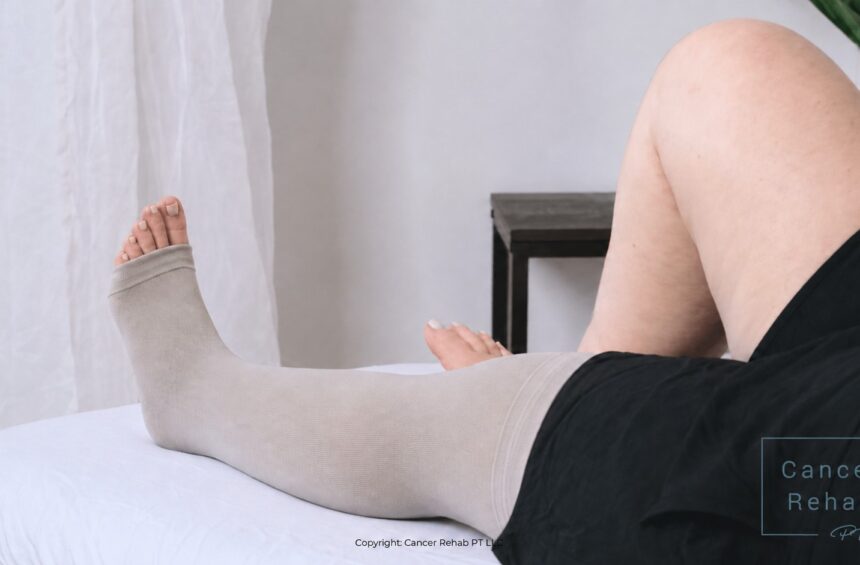
You should also wear your compression garment during exercise if your CLT has recommended it. As your muscles contract, they press against the garment, and that added pressure helps them push fluid out of your limb more effectively.
Learn more about the best exercises for your lymphatic system.
Vibration plates
A vibration plate is a platform that shakes rapidly while you stand, squat, or rest your feet on it. The vibration makes your muscles contract and relax many times per second, which can help stimulate lymph flow with very little effort on your part.
This makes vibration plates a helpful option for people who have trouble standing for long periods or doing more active workouts.
If you want to try vibration plates but don’t know where to start, here are my favorite vibration plates for home as well as an exercise guide for lymphatic drainage:


Rebounder workouts
A rebounder is a small trampoline you can use at home. Gentle bouncing keeps the muscles in your legs and core contracting over and over, and those contractions help push lymph fluid toward your lymph nodes.
Light jumps or lifting your heels slightly while the balls of your feet stay on the mat is enough to get the benefits of rebounding. The springy surface also absorbs most of the impact, which makes it much easier on your joints than exercising on solid ground.
Try this beginner rebounder workout, or shop my favorite rebounders to use at home:


FAQs
Can exercise make lymphedema worse?
For most people, regular exercise helps lymphedema. In a review of studies on cancer-related lymphedema, researchers found that people could do progressive, regular exercise without their swelling or symptoms getting worse. In fact, staying active is one of the best things you can do to manage swelling. Problems usually come from doing too much too soon, high-impact activities, or injuries. If your limb feels heavier or looks more swollen after a workout, scale back and check in with your CLT.
Should I wear a compression garment while exercising?
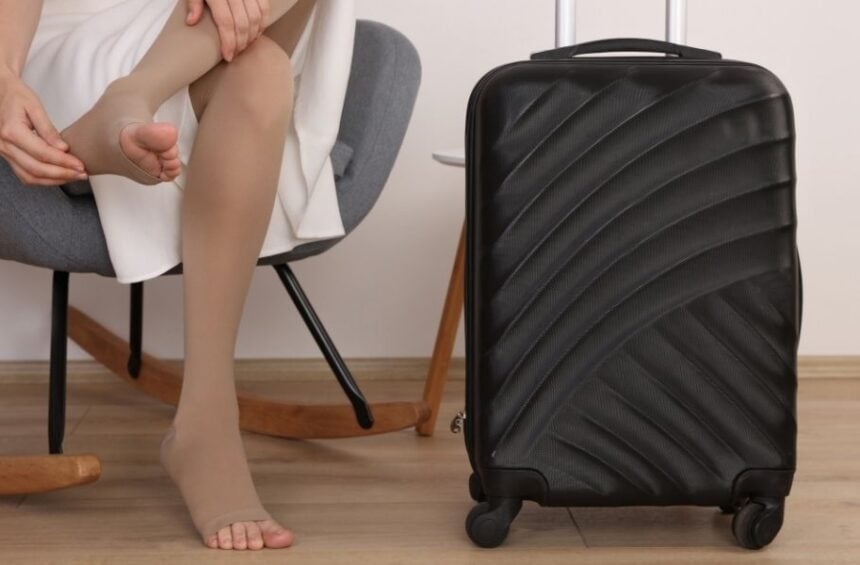
In many cases, yes, especially if you already have lymphedema. A garment gives your muscles something firm to push against, which helps them move fluid while you work out. Choose a well-fitted garment that won’t dig in as you move.
Here are some of my favorite compression garments for lymphedema:


Is walking good for lymphedema?
Yes. Walking is one of the simplest ways to keep lymph moving, and it’s a form of exercise that I often recommend to my patients. You don’t need special equipment, and you can adjust the distance and pace to match your energy that day. Start with short walks, wear supportive shoes and your compression garment, and add time gradually, especially if you’re recovering from surgery or cancer treatment.
Can you lift weights with lymphedema?
Yes, for most people. A meta-analysis of resistance training studies concluded that strength training didn’t worsen breast cancer-related lymphedema and could even help reduce it. Start with light weights, add more slowly over several weeks, and stop if you notice aching or heaviness. Most of this research focused on arm lymphedema, so talk with your CLT before lifting if your swelling is in your legs.
Get Safe Lymphedema Exercises from a CLT-LANA
Exercise is one of the most helpful tools for managing lymphedema. High-impact and high-intensity workouts can lead to more swelling, but they aren’t automatically off limits if your body is trained for them. For everyone else, walking, swimming, yoga, and light strength training all help move lymph fluid.
I’m Kelly Sturm, a Doctor of Physical Therapy (PT, DPT), certified lymphedema therapist (CLT-LANA), and Board-Certified Oncology Clinical Specialist. I’ve spent over a decade helping people manage lymphedema and recover after cancer treatment.
Over the years, I’ve seen how hard it can be to find a lymphedema specialist nearby, and how many people are left guessing about which exercises are safe. I believe good lymphedema care shouldn’t depend on your location, so I’ve created resources you can use at home, on your own schedule.
My exercise guides walk you through movements that help with lymphedema management and chronic swelling. You can get started with them below: